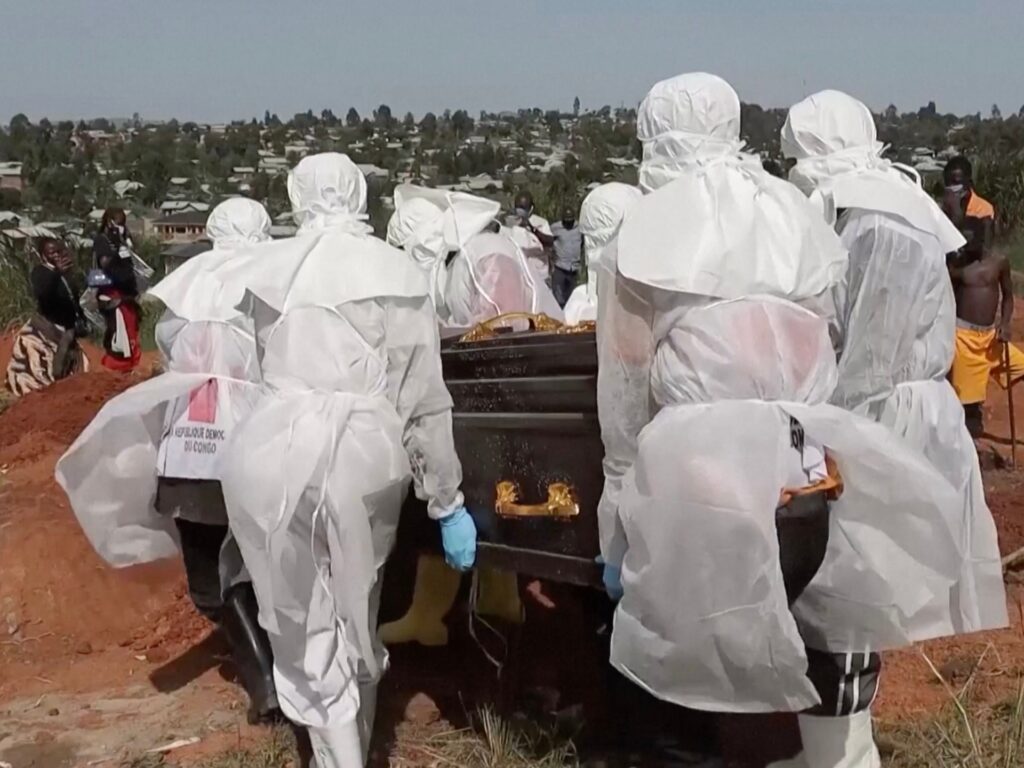
A brave doctor who dedicated his life to treating Ebola patients in the Democratic Republic of Congo (DRC) was recently laid to rest following his tragic death due to the virus. This somber event highlights the extreme risks healthcare workers face in the fight against deadly infectious diseases, especially in regions like the DRC where Ebola outbreaks have been recurrent.
The doctor, whose name has not been disclosed out of respect for his family’s privacy, contracted Ebola while on the frontline providing care, demonstrating the perilous conditions many medical professionals endure. His death has deeply affected the medical community and local population, who mourn the loss of a dedicated guardian of public health.
Ebola Virus Disease (EVD) is a severe, often fatal illness caused by the Ebola virus, characterized by fever, bleeding, vomiting, and organ failure in its severe stages. The disease spreads through human-to-human transmission via bodily fluids, making healthcare workers especially vulnerable.
The Democratic Republic of Congo has been battling multiple outbreaks of Ebola virus since it was first identified there in 1976. Despite advances in treatments and vaccines, the virus continues to claim lives, particularly among healthcare workers who stand as the first line of defense.
The deceased doctor was part of an epidemiological effort aimed at containing the virus’s spread, assisting in patient care, and educating communities about preventive measures. His commitment was crucial in managing the outbreak and reducing transmission rates.
Healthcare facilities dealing with Ebola patients face numerous challenges, including limited medical supplies, high patient loads, and the psychological toll of working under constant threat of infection. The loss of one of their own is a harsh reminder of these sacrifices.
The World Health Organization and other health agencies have recognized the heroism of healthcare workers in epidemic zones by increasing support for protective equipment, training, and rapid response protocols. However, the death of this doctor signals the ongoing need for enhanced safety measures.
Community responses to the tragedy include memorial services and campaigns to raise awareness about Ebola prevention and the importance of supporting healthcare workers. The collective effort aims to honor the doctor’s legacy and inspire continued vigilance against Ebola.
This incident also prompts reflection on the global responsibility to support vulnerable regions facing infectious disease outbreaks through funding, research, and international cooperation.
In conclusion, the burial of the doctor who succumbed while treating Ebola patients in the DRC stands as a poignant testament to the courage and dedication of frontline health workers. As the fight against Ebola continues, the international community must honor these sacrifices by committing to stronger health systems and protective measures to safeguard those who save lives under the most challenging conditions.