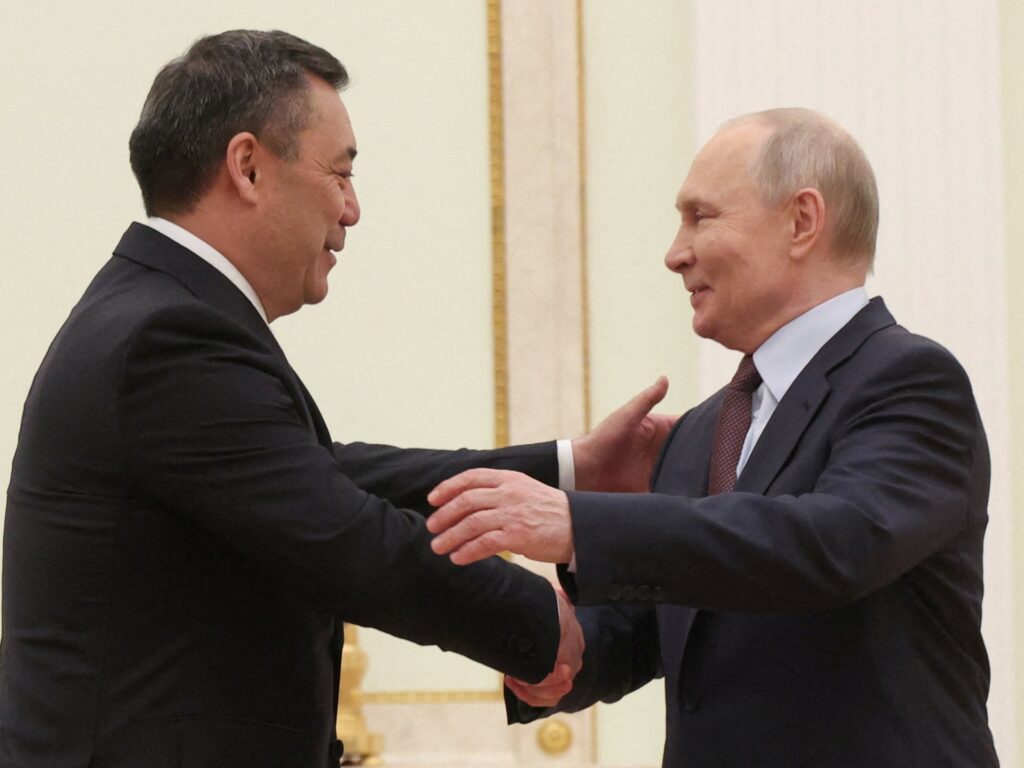
Kyrgyzstan has initiated a crackdown on approximately 50 companies suspected of aiding Russia, driven by fears of potential international sanctions. This decisive action reflects Bishkek’s growing concerns over its geopolitical positioning and the possible repercussions of being linked to Russia amidst ongoing international conflicts.
The move to shutter these firms is believed to be a strategic effort by the Kyrgyz government to distance itself from any activities that might provoke sanctions. Analysts suggest that Bishkek is proactively trying to safeguard its economy and diplomatic relations by curbing business operations that might be perceived as supportive of Russia.
The companies under scrutiny come from various sectors, highlighting the breadth of the issue. While the specific nature of their alleged assistance to Russia has not been publicly detailed, the fear of sanctions has triggered a swift government response.
Kyrgyzstan’s actions can be seen in the context of the broader international environment, where countries are cautious about their economic ties with Russia due to widespread sanctions imposed by Western nations. The Central Asian republic, often balancing complex relations between Russia and other global powers, appears to be taking a pragmatic approach to avoid isolation and protect its own national interests.
This crackdown underscores the intricate dynamics of regional politics and economics, as Kyrgyzstan navigates pressures from multiple fronts. The government’s decision reflects a prioritization of compliance with international norms and an effort to maintain favorable diplomatic and trade relationships.
Observers note that this development could have significant implications for Kyrgyzstan’s business community and its economic landscape. The closure of numerous enterprises may impact employment and investment, presenting challenges that the government will need to address.
Overall, Kyrgyzstan’s clampdown on companies suspected of supporting Russia reveals the complexities faced by smaller nations caught between larger geopolitical forces. The country’s move to shield itself from sanctions illustrates a cautious strategy aimed at preserving its sovereignty and economic stability in an uncertain global climate.