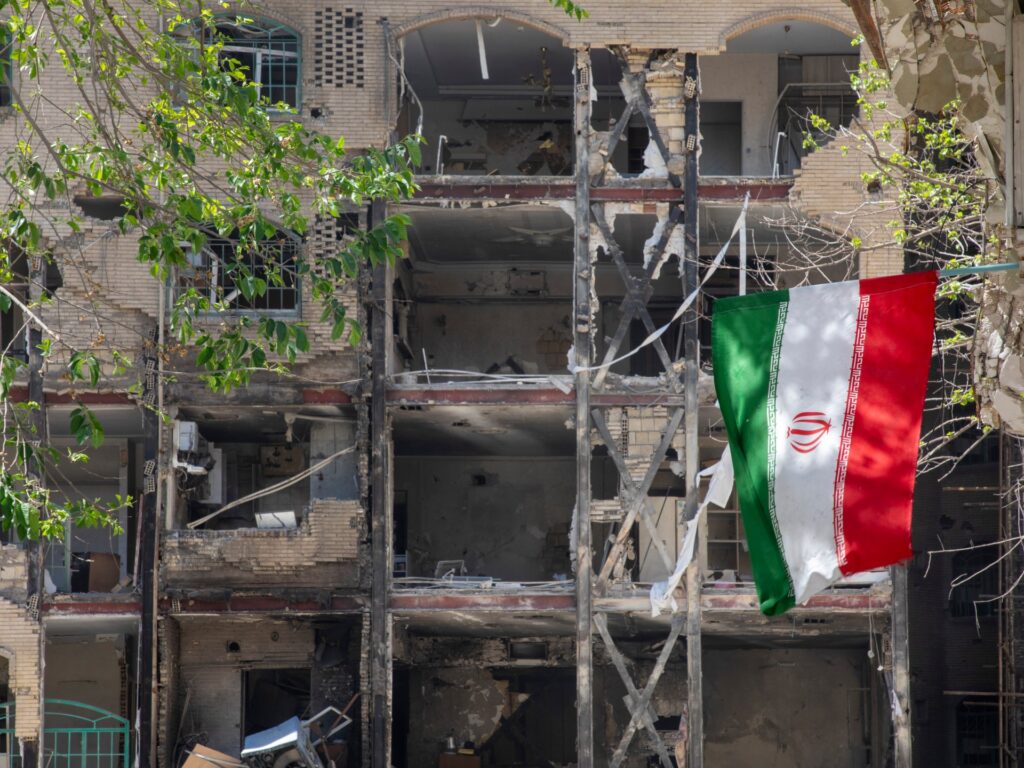
In a troubling series of events that have rattled the hopes for peace, the United States and Iran have engaged in multiple attacks despite an ongoing ceasefire. The escalating tensions came to light with Washington launching fresh strikes targeting southern Iran, indicating a significant deterioration in diplomatic relations and a renewed phase of conflict.
In retaliation or as part of its tactical maneuvers, Tehran successfully downed a US drone, signaling its readiness to counteract perceived aggression in the region. Furthermore, Iranian forces also fired at a US fighter jet, further intensifying the conflict and marking a stark departure from the ceasefire agreements previously hoped to bring respite to the region.
The sequence of attacks traces a timeline of worsening hostilities. Initially, the ceasefire was seen as a hopeful step towards de-escalating long-standing tensions between the two nations. However, the recent incidents suggest that underlying conflicts remain unresolved and continue to fuel military confrontations.
These actions have broader implications, impacting regional stability and drawing concerns from international communities and stakeholders invested in Middle Eastern peace. The downing of the drone and the attempted strike on the fighter jet signify a dangerous escalation and pose significant risks of further military engagements.
The motives behind the US strikes on southern Iran might be viewed as attempts to curtail Iran’s military capabilities or to retaliate for earlier actions attributed to Tehran. On the other hand, Iran’s downing of the drone and firing upon the fighter jet can be interpreted as defensive measures aimed at protecting its sovereignty and deterring continued US military presence.
Analysts suggest that this escalation may complicate ongoing diplomatic efforts and could lead to a protracted phase of conflict unless renewed dialogues or third-party mediations occur. The situation calls for cautious engagement by both sides and increased diplomatic pressure from global powers to re-establish communication channels and reinforce the ceasefire terms.
The timeline of these events, from the US strikes on southern Iran to Iran’s military responses, highlights how fragile the ceasefire is and underscores the urgent need for renewed peace efforts. Each attack not only diminishes the possibility of a sustainable resolution but also endangers civilian lives and the stability of the broader Middle East region.
As both nations continue to flex their military strengths, the international community watches closely, hoping for a rollback of hostilities and the reestablishment of dialogue that prioritizes peace and security over conflict. The coming days will be critical in determining whether these attacks serve as deterrents or catalysts for further violence.
In summary, the recent attacks by the US and Iran during a ceasefire represent a critical juncture in their long-standing adversarial relationship. The new military actions have shattered the fragile peace, prompting calls for renewed diplomatic efforts and heightened international engagement to prevent a deeper crisis.