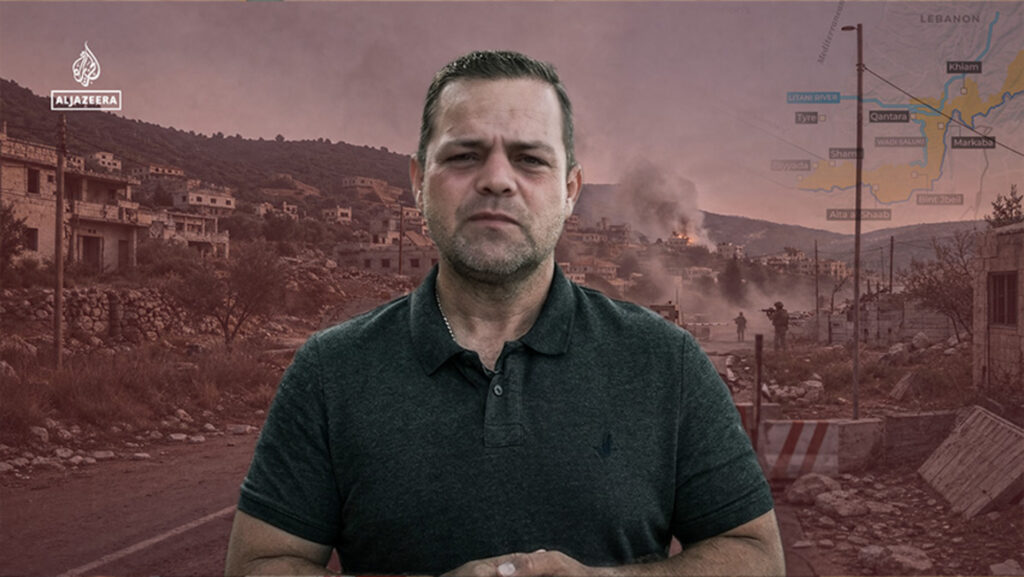
The situation in southern Lebanon is rapidly deteriorating as Israeli Prime Minister Benjamin Netanyahu has vowed to escalate military actions against Hezbollah, the Shiite militant group and political party based in Lebanon. This declaration follows a series of intensified Israeli attacks in the region, exacerbating tensions and fears of a broader conflict.
According to reports from Al Jazeera’s correspondent Obaida Hitto, who has been covering the developments from southern Lebanon, the scale of violence has increased significantly. Israeli forces are conducting more frequent airstrikes and artillery bombardments targeting Hezbollah’s positions, claiming these are necessary to neutralize threats to Israeli security.
Netanyahu’s announcement comes amid ongoing cross-border clashes, where Hezbollah has responded to Israeli attacks with rocket fire into northern Israel. The escalation marks one of the most intense flare-ups between the two sides since the 2006 Lebanon War.
The Lebanese government has condemned the Israeli assaults, emphasizing the protection of Lebanese sovereignty and civilian lives. The situation in civilian areas remains precarious, with reports of casualties and disruption to everyday life, as communities grapple with the threat of violence escalating further.
International actors have called for restraint and urged both Israel and Hezbollah to de-escalate tensions to avoid a wider conflict in the volatile Middle East region. Despite these appeals, Netanyahu insists that Israeli military operations will continue until Hezbollah is sufficiently weakened to prevent future attacks.
Analysts warn that the Israeli escalation risks dragging Lebanon into a broader conflict zone, with possible humanitarian consequences given Lebanon’s already fragile economic and political situation. The United Nations has repeatedly expressed concern about the stability of southern Lebanon and the potential for a spillover of hostilities.
Netanyahu’s stance reflects a firm policy to confront what Israel perceives as a persistent security threat from Hezbollah, which is supported by Iran and Syria. Hezbollah’s military capability has grown significantly over the years, raising alarms in Israel about the possibility of coordinated attacks.
The conflict dynamics involve a complex network of alliances and rivalries in the Middle East, with Hezbollah acting as both a political force within Lebanon and a proxy in the regional struggle for influence between Israel and Iran.
Communities in southern Lebanon continue to face the immediate impacts of the conflict, including displacement and damage to infrastructure. Humanitarian organizations are calling for greater access to provide aid and support to affected populations.
The international community closely monitors the developments, wary that any miscalculation could lead to an all-out war, which could destabilize the already fragile regional balance.
As Israel pledges to step up operations, and Hezbollah vows to resist, the risk of prolonged conflict looms large, highlighting the urgent need for diplomatic efforts to prevent further bloodshed in Lebanon and the broader Middle East.