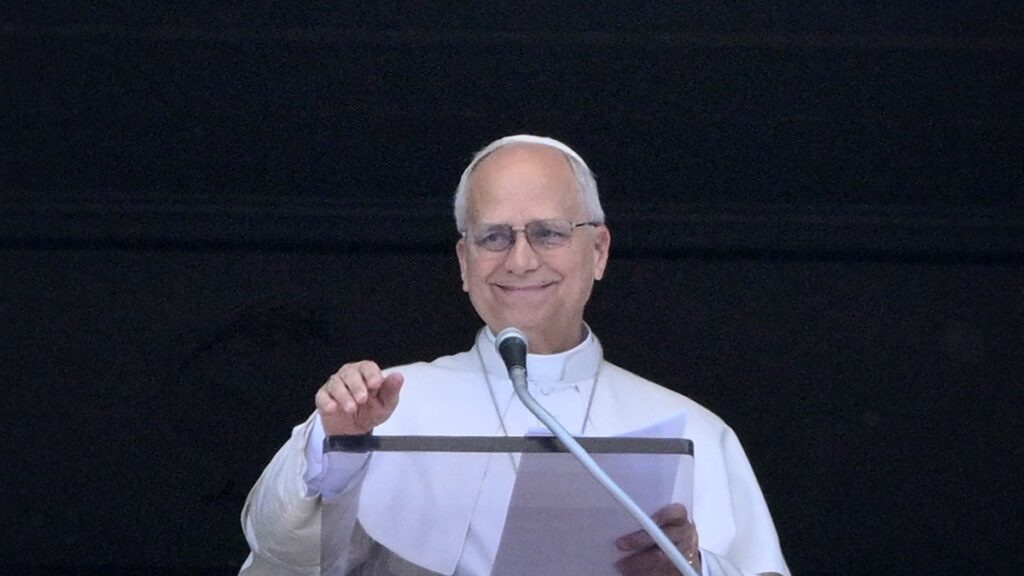
Pope Leo has recently issued a significant warning about artificial intelligence (AI), capturing global attention due to the importance of the message and the context of its delivery. The pontiff presented his encyclical on AI at the Vatican, a highly symbolic venue that underscores the gravity of the topic. Accompanied by AI experts during the presentation, Pope Leo emphasized the profound ethical and societal implications of AI technology.
The Pope’s encyclical articulated concerns about the rapid advancement of AI and its potential to impact humanity in both positive and negative ways. The core of his warning revolves around the ethical use of AI, the importance of maintaining human dignity, and the necessity of regulating AI development to prevent misuse or harm. His message resonates especially in an era where AI integration in everyday life is accelerating, influencing sectors like healthcare, education, governance, and the economy.
Pope Leo stressed that while AI offers enormous benefits, there must be a collective effort to ensure it aligns with moral and ethical principles. He called for a global dialogue involving scientists, technologists, ethicists, religious leaders, and policymakers to foster responsible AI innovation. This collaborative approach is aimed at harnessing AI to serve humanity positively without compromising the core values that define human existence.
The significance of the Pope’s warning also lies in his unique moral authority and the influence of the Vatican as a global religious and ethical institution. By addressing AI directly, the pontiff has elevated the discourse beyond technological and commercial realms to a wider societal and spiritual context. His call to action challenges governments and tech companies to not only focus on technological progress but also deeply consider the moral ramifications and long-term consequences for future generations.
In summary, Pope Leo’s encyclical on AI is a landmark moment, marking a convergence between faith, technology, and ethics. It encourages a reflective approach to AI development, urging humanity to prioritize ethical stewardship, human welfare, and social justice as we advance into an increasingly AI-driven world. The presence of AI experts at the Vatican during the presentation further reinforces the call for interdisciplinary cooperation to navigate the complex challenges and opportunities posed by artificial intelligence.