The ongoing blockade of Iran’s ports in the Strait of Hormuz, imposed by the United States, has severely impacted the livelihoods of Iranian fishermen. This strategic waterway, crucial for global oil transportation, has long been a site of geopolitical tensions, but the recent escalation has had dire consequences for local communities.
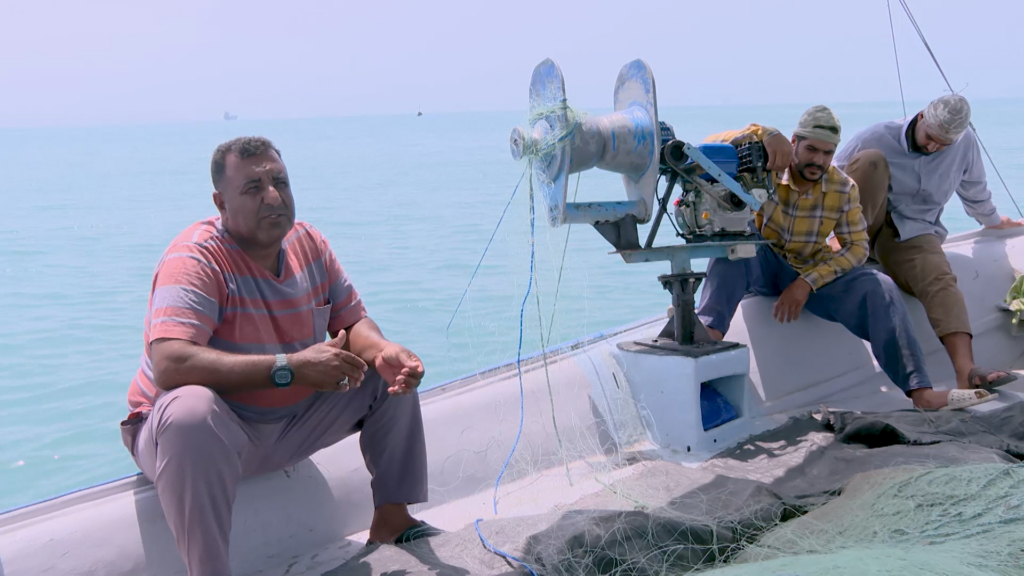
The blockade restricts access to key ports in the region, limiting fishing activities and cutting off essential supplies for those dependent on the sea for their income. Iranian fishermen, many of whom have depended on the bounties of the Persian Gulf for generations, now face dwindling catches and financial instability.
Many fishermen report that the blockade has not only reduced their catch but also made it difficult to obtain fishing gear and fuel, exacerbating their struggles. The economic pressure has forced some to abandon their boats, seek alternative employment, or rely on government aid, which remains insufficient given the scale of the crisis.
Local markets that once thrived on fresh seafood are experiencing shortages, driving up prices and affecting food availability for local populations. The economic ripple effect is felt throughout communities, with families facing uncertainty and hardship.
Experts warn that prolonged tensions and continued restrictions could lead to further environmental degradation as fishermen venture further into international waters in search of fish, risking confrontations and legal penalties.
The Iranian government has condemned the blockade, calling for international intervention to protect the rights and livelihoods of its fishermen and maintain freedom of navigation in international waters. Diplomatic efforts continue amid a complex geopolitical landscape involving multiple regional and global powers.
As the blockade persists, the plight of Iranian fishermen highlights a broader humanitarian issue intertwined with geopolitical conflicts. Their struggle is a stark reminder of how international disputes over strategic corridors like the Strait of Hormuz can impact ordinary lives, creating challenges that extend far beyond political and economic spheres.
In conclusion, the blockade on Iran’s ports has created an acute crisis for its fishing communities, threatening not only their economic survival but also the stability and food security of the region. It underscores the urgent need for dialogue and solutions that prioritize humanitarian concerns alongside geopolitical interests.