Recent U.S. strikes on Iranian boats and missile sites have been vehemently condemned by Tehran, which has described the attacks as a ‘gross violation’ of its sovereignty. These strikes followed indications from both the U.S. and Iran of potential progress in peace negotiations, highlighting a sharp and unsettling turn in an already tense relationship.
According to U.S. officials, the strikes targeted Iranian naval vessels and missile facilities that were allegedly involved in threatening regional security. The U.S. described the operation as a necessary move to deter further hostile activities.
In response, Iranian authorities have expressed strong outrage, characterizing the attacks as an unjustified breach of international law and a direct affront to Iran’s national integrity. Tehran has emphasized that it is fully prepared to respond appropriately to these aggressive actions, maintaining a stance of vigilance and readiness.
The timing of the U.S. strikes has caught many observers by surprise, as recent communications between the two countries suggested a possible thaw and willingness to engage in constructive dialogue. Earlier, representatives from both sides had reported progress in discussions aimed at de-escalating long-standing tensions and potentially reviving stalled diplomatic efforts.
The U.S. government has defended its actions by stressing the importance of protecting its interests and allies in the region. Officials argue that Iran’s continued support for proxy groups and its missile program pose significant threats to regional stability.
Conversely, Iranian leaders perceive the U.S. strikes as sabotage efforts that undermine peaceful resolutions and hamper mutual trust-building measures. The attacks are seen as an attempt to derail any momentum gained through diplomatic channels.
Regional analysts warn that these developments may escalate hostilities, increasing the risk of further military confrontations. There is growing concern among international actors about the potential for a broader conflict that could destabilize the Middle East.
Global powers have urged restraint from both sides and called for the renewal of diplomatic engagement to avoid spiraling tensions. The international community largely supports dialogue over confrontation, emphasizing the urgency of peaceful conflict resolution.
This episode underscores the fragile nature of U.S.-Iran relations, where even amidst tentative progress, underlying distrust and competing strategic interests can lead to sudden and dramatic setbacks.
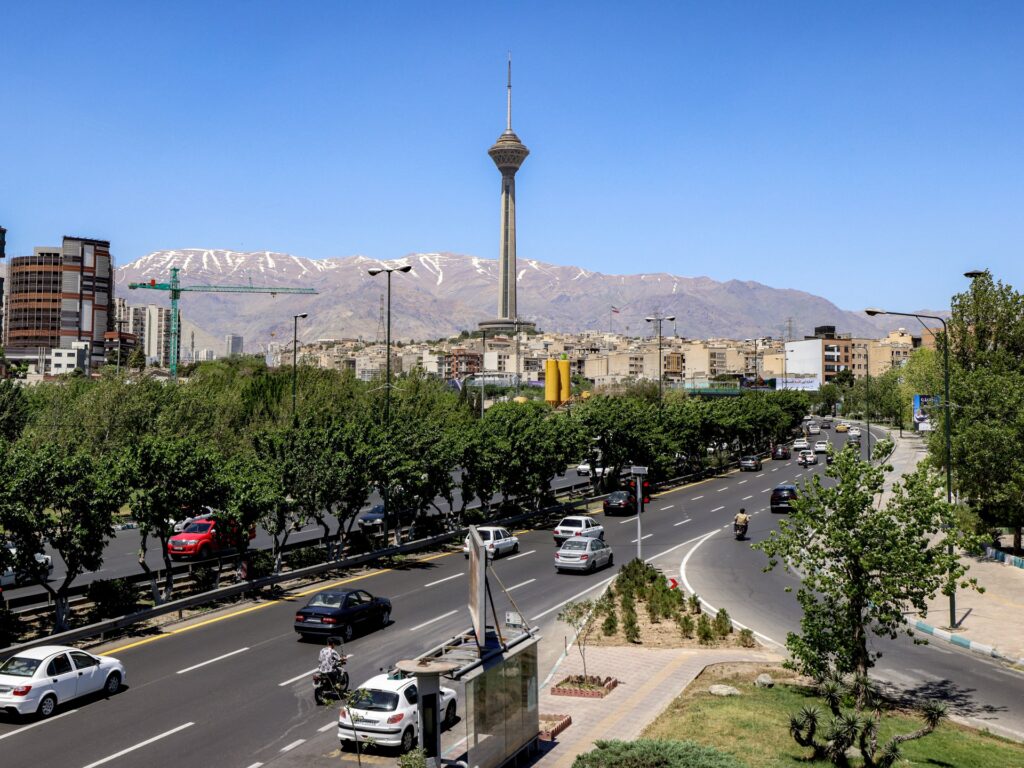
In Tehran, the government is consolidating its defenses and preparing response strategies as it condemns what it terms unlawful aggression. Officials assure the public and international observers that Iran will act decisively but with measured consideration to uphold its security and sovereignty.
Meanwhile, diplomats from various countries continue to work behind the scenes to revive talks, though the recent incidents pose significant obstacles to achieving substantive breakthroughs.
The situation remains fluid and volatile, with both sides signaling readiness to assert their interests, setting a complex stage for the future of peace and stability in the region.
As the international community watches closely, the hope for a peaceful resolution remains, but the path forward is fraught with challenges. The events mark a critical juncture in the ongoing saga of U.S.-Iran relations, highlighting the delicate balance between diplomacy and conflict in one of the world’s most geopolitically sensitive areas.