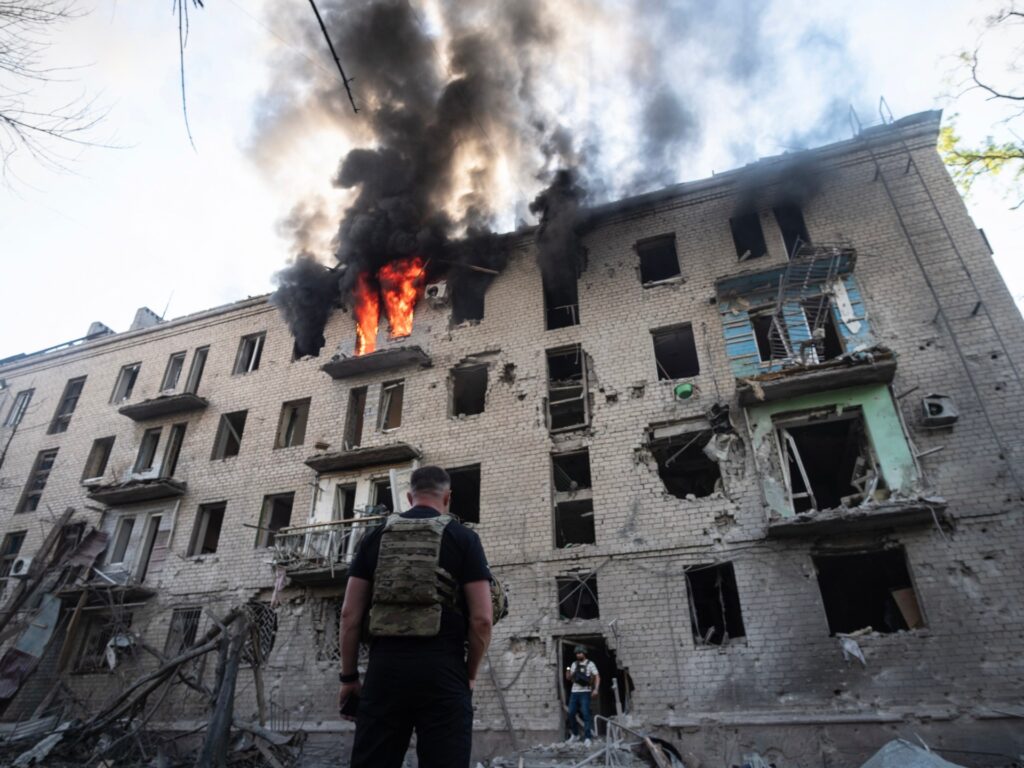
In a significant diplomatic response, various European countries alongside the European Union have summoned Russian envoys following threats directed towards Kyiv. This joint action illustrates heightened tensions between Russia and the West amidst an already strained geopolitical climate.
Anitta Hipper, a spokesperson for the EU, publicly condemned Russia’s threats targeting diplomats and foreign citizens, labeling these actions as an “unacceptable escalation.” Her remarks highlight the severity with which the EU views these developments and underscore the commitment to protecting diplomatic norms and international security.
The incidents which prompted the summons involve Russia issuing threats against Kyiv, the capital of Ukraine, a nation that has been at the center of international conflict and attention due to ongoing tensions with Russia. These threats have raised concerns over the safety of diplomats stationed in the region as well as the broader implications for peace and stability in Europe.
By summoning the Russian envoys, European nations and the EU demonstrate a collective stance aimed at de-escalating tensions and demanding accountability for aggressive diplomatic conduct. Calls for dialogue and peaceful resolution methods are being emphasized amid fears that escalation could lead to further destabilizing actions.
This episode adds another layer to the complex relations between Russia and European countries, who have frequently found themselves at odds over various geopolitical issues. The EU’s clear message through spokesperson Anitta Hipper not only rejects the use of intimidation tactics but also reinforces the importance of safeguarding international diplomatic channels.
The summoning of envoys is a diplomatic tool used to express displeasure and demand explanations without resorting to more severe measures such as sanctions or severance of diplomatic ties. It is a step that indicates serious concern but leaves open the possibility of dialogue and resolution.
European countries, aware of the delicate balance of power and the risks inherent in confrontations with Russia, have been cautious yet firm in addressing actions that threaten regional security. The unity displayed in this coordinated response signals a shared approach to uphold international law and the sovereignty of nations.
The broader international community is observing these developments closely, recognizing that threats against foreign diplomats can undermine global diplomatic relations and set dangerous precedents. Maintaining the integrity and safety of diplomatic missions is vital for fostering trust and cooperation among nations.
In conclusion, the summoning of Russian envoys over their country’s threats on Kyiv marks a critical moment of diplomatic tension. The European Union and its member states reiterate their commitment to peace, security, and the protection of diplomatic personnel. The situation remains tense, but the emphasis on dialogue and adherence to international norms offers a path forward amidst uncertainty.