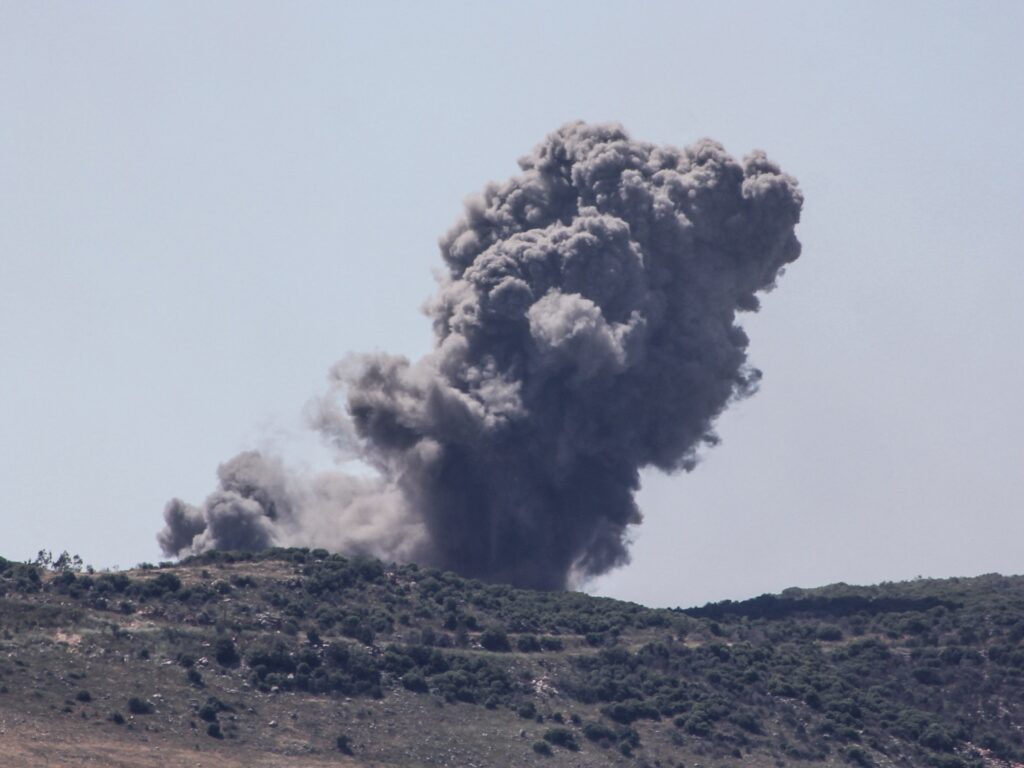
In a recent escalation of tensions, Israel has conducted a series of attacks on multiple villages and towns in southern Lebanon. These strikes have tragically resulted in the death of three individuals, marking a significant development in the ongoing conflict between the two neighboring countries.
The attacks targeted several locations across southern Lebanon, an area that has historically been a flashpoint due to its proximity to the Israeli border and its strategic importance. The targeted villages and towns have experienced considerable damage, and the local population is facing increased insecurity and fear amid the violence.
Authorities in Israel have also issued further displacement orders, urging residents in areas close to the conflict zone to evacuate. These orders are part of precautionary measures intended to protect civilians from potential retaliatory strikes or escalating hostilities. The displacement has added to the humanitarian strain in the region, with families being forced to leave their homes and seek refuge.
The motives behind Israel’s latest attacks have not been explicitly detailed, but they come amid heightened tensions and ongoing disputes regarding border security, militant activities, and political instability in the region. Israel has routinely carried out military operations in response to perceived threats emanating from groups based in Lebanon, aiming to neutralize potential attacks or deter militant activities.
The impact on the civilian populations in southern Lebanon has been profound. In addition to loss of life, the attacks have caused destruction to homes and infrastructure, disrupting everyday life and local economies. Emergency services and humanitarian organizations are currently assessing the situation to provide necessary aid and support to those affected.
Lebanese officials have condemned the attacks, expressing outrage over the loss of civilian lives and the disruption caused. Calls for restraint and international intervention to de-escalate the conflict have been issued by various parties within Lebanon and the wider international community.
This latest violence is likely to exacerbate existing tensions between Israel and Lebanon, raising concerns over the possibility of a broader conflict if diplomatic solutions are not pursued. The international community continues to watch the situation closely, urging both sides to engage in dialogue and seek peaceful resolutions to their disputes.
The ongoing cycle of attacks and retaliations highlights the fragility of peace and security in the region. As both nations grapple with the consequences of these confrontations, the priority remains to safeguard civilian lives and work towards lasting stability in this volatile area of the Middle East.