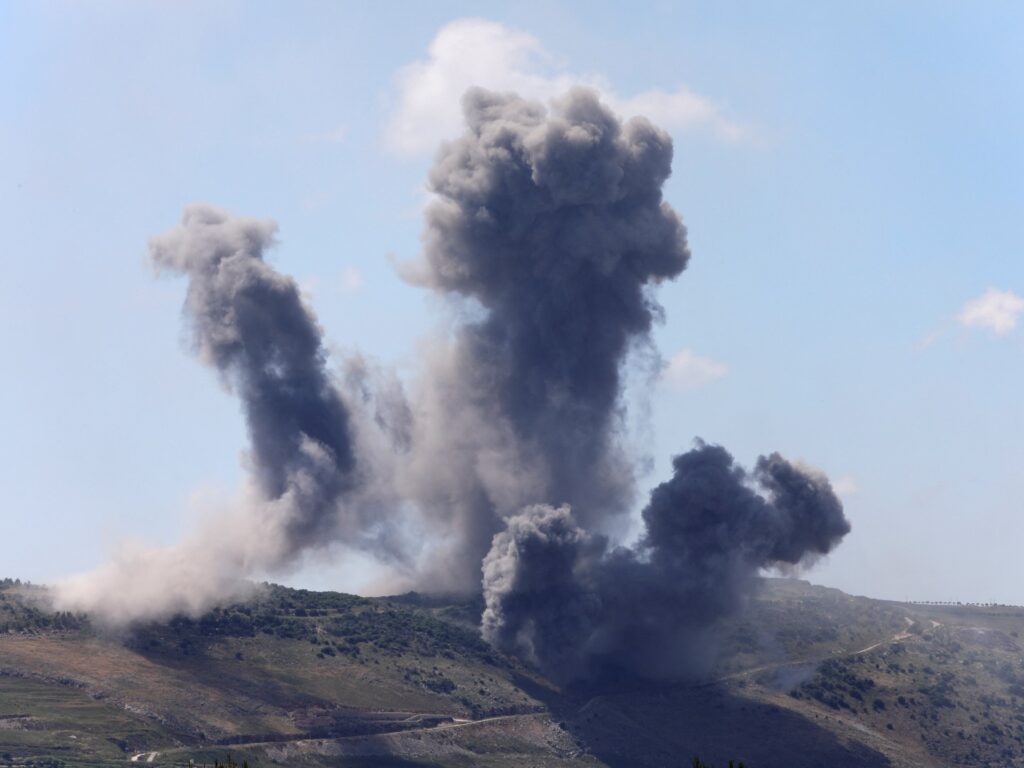
In a significant escalation of violence, Israeli military strikes have resulted in the deaths of six individuals in southern Lebanon. This increase in hostilities comes despite ongoing efforts and international calls for a ceasefire in the region.
The recent attacks mark a troubling expansion of the conflict into southern Lebanon, an area that has been relatively quieter compared to the frequent clashes along the Israel-Lebanon border. The strikes, reportedly targeting both militant positions and infrastructure, have caused casualties among civilians as well as fighters, exacerbating the humanitarian situation.
In response to the escalating attacks, Lebanese authorities have issued fresh evacuation orders for residents of southern Lebanon, urging civilians to leave areas deemed likely to be targeted in future strikes. This mass evacuation underscores the growing severity of the conflict and the increased risks to civilian populations caught in between.
The broader conflict, which involves Israeli forces and various militant groups operating in Lebanon, remains complex with deep-rooted political and territorial disputes. The recent surge in violence raises concerns about a potential wider confrontation that could destabilize the already fragile security situation in the region.
International actors have called for restraint from both sides and stressed the necessity of adhering to ceasefire agreements. However, the continuation and expansion of Israeli strikes suggest that tensions remain high and diplomatic efforts have yet to achieve lasting peace.
The humanitarian impact of the conflict continues to grow, with displaced families facing uncertain futures and limited access to essential resources. Human rights organizations have expressed alarm at the civilian casualties and the destruction of critical infrastructure, urging all parties to protect non-combatants.
As the situation develops, monitoring agencies emphasize the importance of dialogue and negotiations to prevent further bloodshed. The international community remains engaged in seeking solutions to de-escalate the conflict and support peacebuilding efforts in southern Lebanon and beyond.
This latest chapter in the Israel-Lebanon conflict highlights the persistent volatility of the region and the urgent need for renewed diplomatic engagement to end cycles of violence that have plagued it for decades.