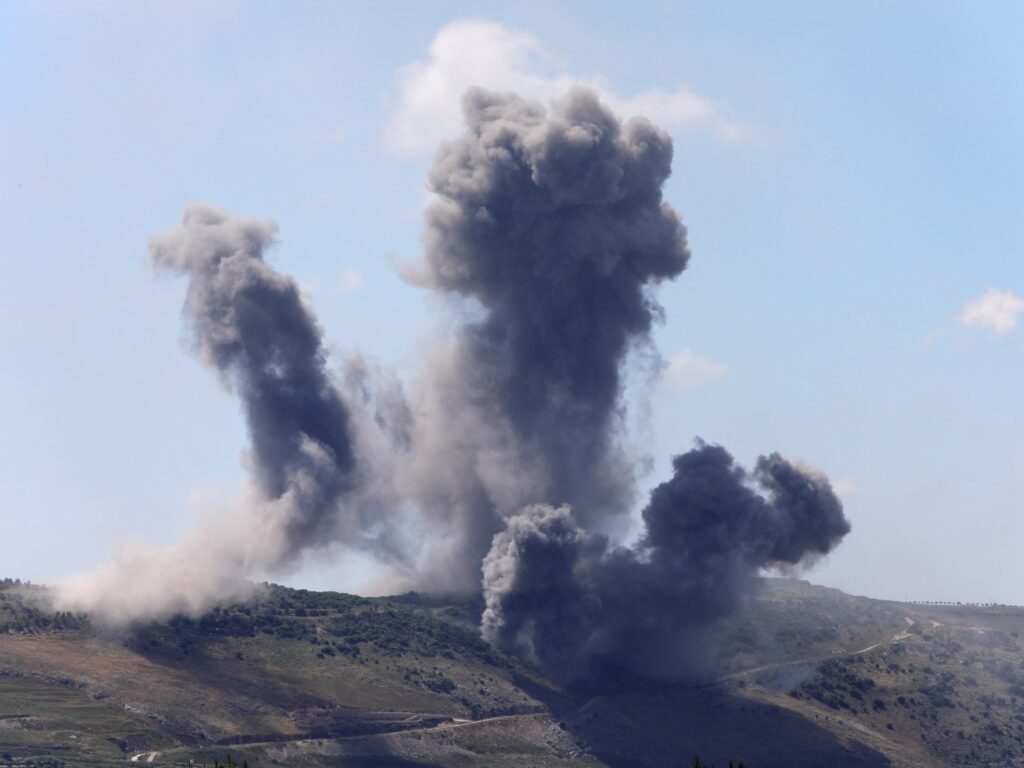
Recent developments in southern Lebanon have seen a significant escalation in violence, with Israeli airstrikes killing at least six people amidst ongoing military operations. This surge in conflict comes despite ongoing discussions and expectations of a ceasefire in the region. The attacks, primarily targeting various locations in southern Lebanon, have resulted in numerous casualties and widespread destruction, exacerbating the already tense situation along the Israel-Lebanon border.
The violence has prompted fresh evacuation orders from local authorities, urging residents in the affected areas to leave their homes immediately to avoid further harm. These evacuation directives reflect the growing concern over civilian safety as the conflict intensifies and military actions become more frequent and severe.
The background of these strikes is rooted in long-standing hostilities between Israel and militant groups based in Lebanon, particularly Hezbollah. Although ceasefire agreements have been proposed periodically, they have often been fragile and violated by both sides. The recent escalations signify a breakdown in these temporary peace efforts, raising fears of a broader military confrontation.
International observers and humanitarian organizations have expressed alarm over the situation, emphasizing the urgent need for restraint and negotiation to prevent further loss of life. The attacks adversely affect not only combatants but also civilians, including vulnerable populations such as women and children, highlighting the devastating humanitarian impact of ongoing hostilities.
The political ramifications of the strikes are complex, with both Israeli officials and Lebanese authorities engaging in a war of rhetoric alongside the physical conflict. Israeli authorities claim their operations are necessary to neutralize threats and prevent attacks on their territory, while Lebanese officials and Hezbollah accuse Israel of aggression and violation of sovereignty.
Amidst the turmoil, aid agencies are mobilizing resources to support displaced individuals and provide medical assistance to the injured. However, the escalating violence complicates these efforts, limiting access to conflict zones and endangering aid workers.
The broader regional implications of the renewed violence are significant. The Israel-Lebanon border has long been a flashpoint in Middle Eastern geopolitics, and the recent incidents risk drawing other regional actors into the fray, potentially destabilizing a fragile balance of power.
As the situation remains volatile, calls for international intervention and diplomatic engagement have intensified. Many stakeholders emphasize the need for a sustainable ceasefire and a political dialogue addressing the root causes of the conflict to achieve lasting peace and stability in the region.
In summary, the recent Israeli strikes in southern Lebanon have resulted in tragic loss of life and heightened tensions in an already volatile region. The fresh evacuation orders underscore the urgent humanitarian concerns, while the expansion of military actions despite ceasefire hopes signals a precarious security environment. The international community watches closely, hopeful for de-escalation and dialogue to prevent further devastation.