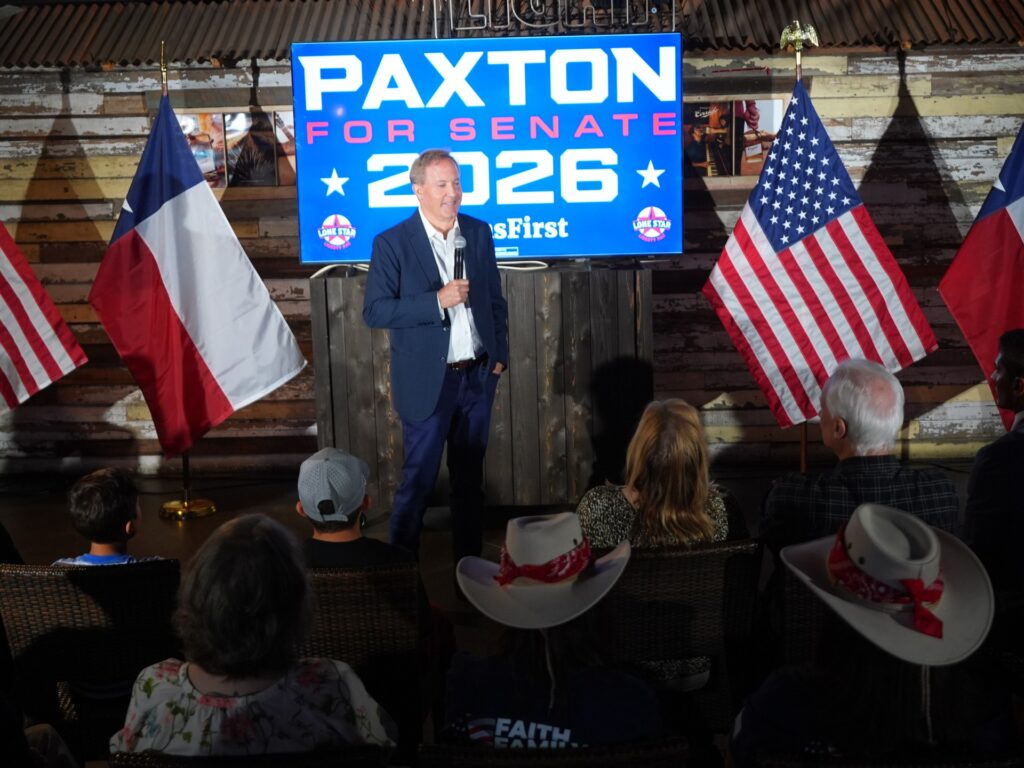
The upcoming Texas primary run-off has generated considerable attention, particularly regarding its implications for the state’s political landscape. Traditionally a Republican stronghold, Texas has been a challenging terrain for Democrats aiming to secure major electoral victories. However, recent developments suggest the possibility of a shift in voter sentiment that could benefit the Democratic Party in the forthcoming midterm elections.
At the center of this political contest is Ken Paxton, the probable Republican nominee. Paxton, a prominent figure in Texas politics, carries a reputation that some analysts argue might hamper his appeal to moderate voters in a general election. His legal controversies and polarizing stances have led to speculation that a Democratic candidate might have a better chance to challenge and potentially unseat him.
The Democratic nominee, meanwhile, is positioning to capitalize on this advantageous context. With increased voter registration drives, community engagement, and strategic campaigning targeting suburban and urban voters, Democrats aim to leverage any disenchantment with the Republican frontrunner. This strategy is mindful of Texas’s changing demographics, including growing minority populations and an influx of younger, more progressive voters.
Historically, Texas has favored Republicans in statewide races, but recent elections have revealed narrowing margins. The 2022 midterm elections, for example, saw Democrats performing better than expected in various districts, suggesting an erosion of the traditional Republican dominance. If the Democratic nominee can consolidate support and present a strong, unified front in the general election, flipping Texas remains within the realm of possibility.
Political analysts emphasize that the run-off results will serve as a critical barometer for gauging voter enthusiasm and the effectiveness of campaign strategies on both sides. Should Paxton emerge from the run-off with diminished support or increased vulnerabilities, it could energize the Democratic base and attract independents and moderate Republicans disillusioned by his candidacy.
Conversely, a robust showing by Paxton might reinforce Republican confidence and reaffirm Texas’s status as a GOP bastion. The run-off election, therefore, not only determines the immediate nominees but also sets the tone for the larger electoral battle anticipated in the midterms.
Moreover, national political dynamics and external factors such as economic conditions, immigration debates, and healthcare policies are likely to influence voter behavior in Texas. Both parties are expected to invest significant resources in the state, recognizing its strategic importance in shaping the balance of power at the federal level.
In conclusion, the Texas primary run-off presents a pivotal moment with potential implications extending beyond the state. While the odds have historically favored Republicans, shifting demographics and a contentious Republican nominee like Paxton could open the door for a Democratic breakthrough. The run-off election results will be closely watched as an indicator of the state’s political direction and the prospects for Democrats to flip Texas in the upcoming midterms.