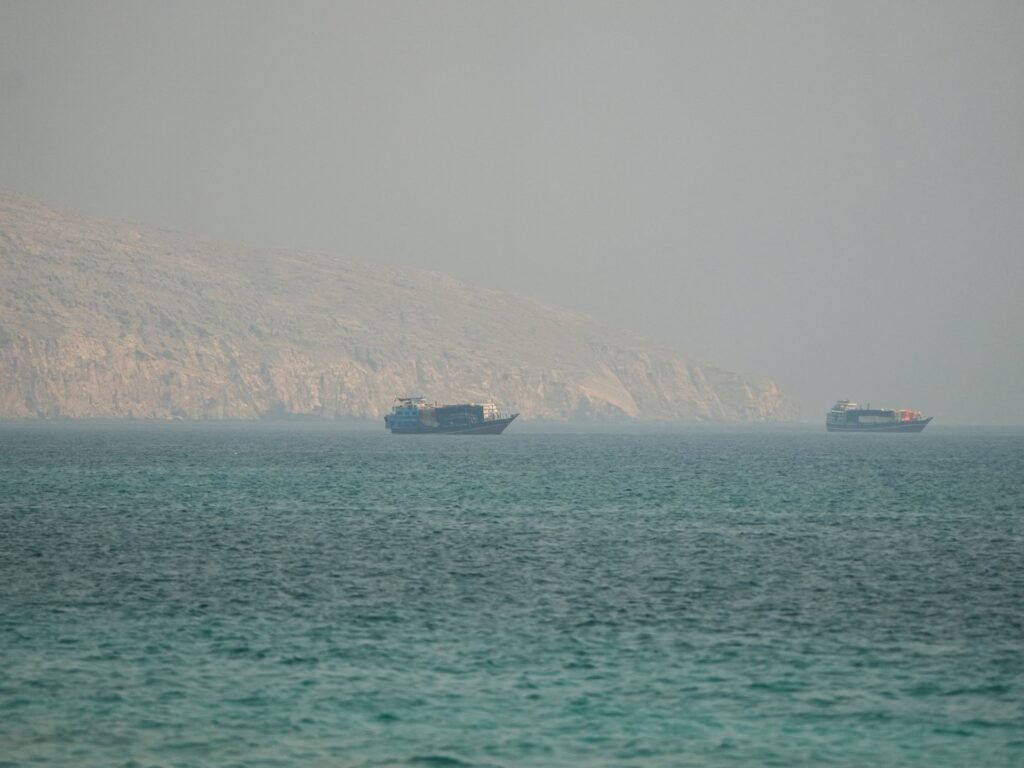
The Strait of Hormuz, a critical chokepoint for global oil shipments, has once again become the focus of intense geopolitical tension as rhetoric between Iran and the United States escalates. This narrow waterway, through which about a third of the world’s liquefied natural gas passes, is vital for the energy security of many nations, making any threat to its stability a matter of international concern.
Recent exchanges of verbal attacks and threats between Tehran and Washington have stirred fears of potential disruptions in maritime traffic. Iran has frequently highlighted its strategic position in the region and its ability to control the flow of oil through the strait. Meanwhile, the US has reaffirmed its commitment to maintaining freedom of navigation and protecting its interests and allies in the Gulf region.
Analysts suggest that despite the sharp tone in public statements, the door to diplomacy remains open. The ongoing power plays underscore the complex interplay of national security, economic interests, and regional alliances. Both sides are aware of the mutual damage that a conflict in the Hormuz corridor could inflict on global markets and their own economic stability.
Diplomatic channels continue to operate, albeit under strain, with international stakeholders urging restraint and dialogue. The situation remains fluid, with developments monitored closely by global powers, shipping companies, and energy markets alike.
The sensitivity around the Strait of Hormuz exemplifies the broader challenges in Middle East geopolitics where historical grievances, national sovereignty, and international trade intersect. Maintaining open and secure shipping lanes here is critical not only for regional stability but for the world’s energy supply chain.
In summary, while recent rhetoric between Iran and the US has intensified, there is cautious optimism among analysts and diplomats that a peaceful resolution is possible. It is clear that all parties understand the high stakes involved and the necessity of avoiding escalation that could ripple through global economies.