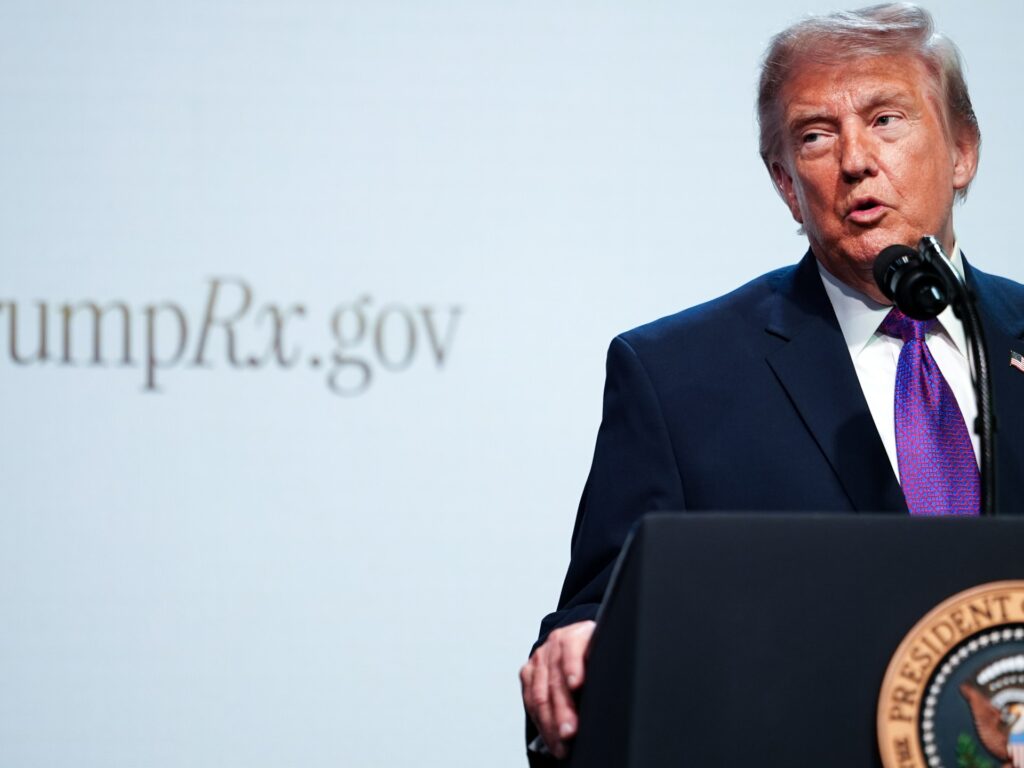
In a significant development, US President Donald Trump announced that a deal involving Iran has been ‘largely negotiated’ and is currently awaiting its finalisation. The announcement came after Trump held discussions with various Middle East leaders, emphasizing the broad diplomatic engagement that preceded the agreement.
According to President Trump, the deal includes provisions to reopen the Strait of Hormuz, a critical maritime route through which a substantial portion of the world’s oil passes. This reopening is seen as a pivotal step towards stabilizing regional tensions and ensuring the uninterrupted flow of commerce and energy supplies.
The negotiations leading to this deal reportedly involved extensive talks addressing Iran’s nuclear program, regional security concerns, and economic sanctions. The strategic importance of the Strait of Hormuz has made it a focal point in Middle East diplomacy, given its role in global energy markets.
Trump’s statement about the deal being ‘largely negotiated’ suggests that most of the core terms and conditions have been agreed upon, with only some details left to be finalized. The deal’s finalization is being awaited by international stakeholders keen on reducing tensions in the region and averting potential conflicts.
Leaders from several Middle Eastern countries participated in the discussions with Trump, highlighting the multilateral effort aimed at achieving a sustainable agreement. These talks represent a diplomatic push to resolve longstanding issues surrounding Iran’s activities and to secure peace and stability in the strategically vital Gulf region.
The announcement was met with cautious optimism by global analysts who note that while negotiations have made significant progress, the complexity of regional politics and the sensitivity of the issues involved mean that challenges remain.
The potential reopening of the Strait of Hormuz is seen as a confidence-building measure that could foster better cooperation and reduce the likelihood of military confrontations. For years, the strait has been a flashpoint in tensions between Iran and other Gulf nations, as well as Western powers, due to its strategic importance.
In addition to security concerns, the deal would likely have economic implications, potentially leading to the easing or lifting of sanctions on Iran, contingent on compliance with agreed terms. This could open the door to increased trade and investment opportunities in the region.
President Trump’s engagement with Middle Eastern leaders underscores the US administration’s commitment to resolving complex geopolitical issues through negotiation. The anticipated finalization of the Iran agreement marks a potential turning point in Middle Eastern diplomacy, fostering hopes for a more stable and prosperous future in the region.