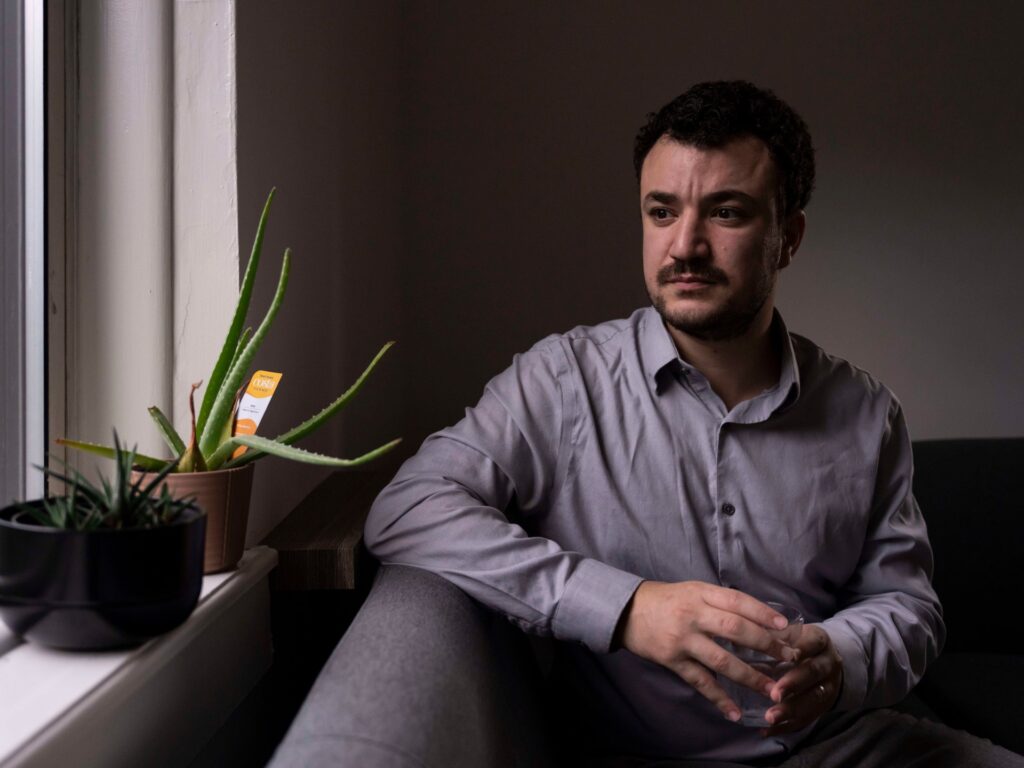
Mahmoud Khalil, a prominent pro-Palestine advocate, is set to take his fight against deportation to the highest judicial level in the United States, appealing to the Supreme Court. Khalil alleges that the Trump administration targeted him due to his protected free speech activities related to his advocacy for Palestinian rights.
Khalil’s case has drawn significant attention as it touches upon the complex interplay between immigration enforcement and the protection of free speech rights under the U.S. Constitution. His legal team argues that his deportation is politically motivated, aiming to silence his vocal stance on issues concerning Palestine.
The Trump administration’s policies have been criticized by various human rights organizations for allegedly targeting activists and advocates who oppose its foreign policy decisions. Khalil’s case is now at the center of this debate, potentially setting a precedent for how far the government can go in regulating speech and activism among non-citizens.
If the Supreme Court agrees to hear the appeal, it will address critical constitutional questions about whether individuals like Khalil can be deported for expressing political views. This case could have far-reaching implications for activists, especially those involved in contentious geopolitical issues.
Khalil has been active in advocating for Palestinian rights through public speeches, protests, and social media campaigns. His supporters claim that his advocacy constitutes protected free speech under the First Amendment, which should safeguard him from punitive immigration actions.
The legal battle also highlights the broader challenges faced by immigrants who engage in political activism in the U.S., raising concerns about the balance between national security considerations, immigration control, and civil liberties.
As the case moves to the Supreme Court, it underscores ongoing tensions within U.S. society and governance regarding immigration, political dissent, and the limits of governmental power.
Observers and civil rights advocates are watching closely, recognizing that the court’s decision could either reinforce constitutional protections or expand the scope of executive power in immigration enforcement.
Mahmoud Khalil’s appeal is expected to draw nationwide attention to the rights of immigrants and activists, influencing public discourse on free speech and immigration policy for years to come.