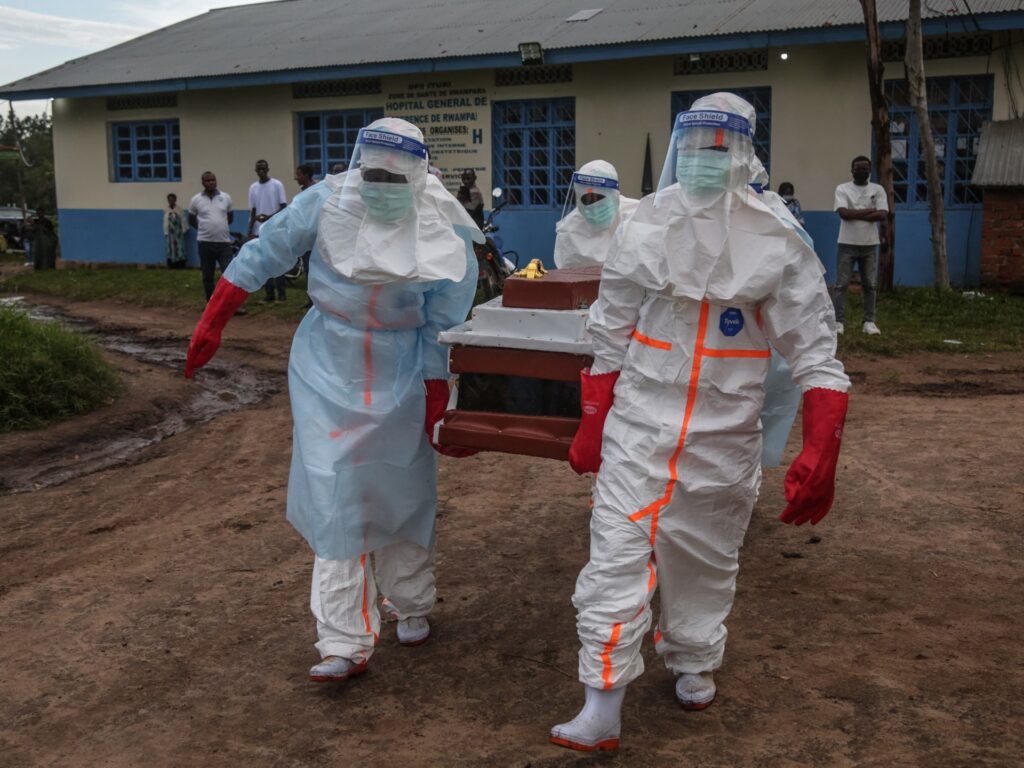
The World Health Organization (WHO) has raised the health risk level of the ongoing Ebola outbreak in the Democratic Republic of Congo (DR Congo) to ‘very high,’ signaling serious concerns regarding the spread and containment of the virus. The epicenter of this outbreak is Ituri province, where the situation has prompted provincial authorities to implement strict measures to curb transmission.
Key among these measures is the banning of all public gatherings within Ituri province. This decision aims to limit close contact among individuals, which is critical in controlling the spread of the Ebola virus, known for its high fatality rate and potential to cause widespread panic.
Ebola virus disease is a severe and often deadly illness, transmitted to people from wild animals and spreading in the human population through human-to-human transmission. The elevated alert by WHO underlines the urgency and gravity of the outbreak, reflecting the need for intensified surveillance, rapid response, and adherence to prevention protocols in affected areas.
The decision by the Ituri provincial government to ban public gatherings comes in the wake of multiple confirmed cases and fatalities attributed to the virus in recent weeks. Health officials are deploying teams to affected communities to conduct contact tracing, provide vaccinations, and educate residents about protective measures.
WHO’s declaration is designed to mobilize national and international support, ensuring sufficient resources are allocated for treatment centers, healthcare worker training, and public awareness campaigns. The global health community is closely watching the situation in DR Congo, given the country’s past experiences with Ebola and the risk of cross-border transmission.
Public health experts have emphasized the importance of community engagement to combat misinformation and promote acceptance of health interventions. The ban on public gatherings, while necessary, may pose challenges to economic and social activities, but it is widely regarded as essential to halt the spread of the disease.
In addition to containment efforts, researchers and pharmaceutical companies continue to work on improving Ebola vaccines and treatments to reduce mortality and prevent future outbreaks. Past Ebola outbreaks in DR Congo have shown that a coordinated and well-resourced response can successfully mitigate impact.
The situation in Ituri province remains dynamic, and both local governments and international agencies urge the public to remain vigilant, adhere to health advice, and report suspected cases promptly.
This latest escalation of the Ebola threat underscores the ongoing vulnerabilities in health systems in certain regions and highlights the critical need for sustained investment in global health security infrastructure. WHO’s ‘very high’ risk classification is a call to action, encouraging collaboration and rapid response to save lives and prevent further spread of this deadly virus.