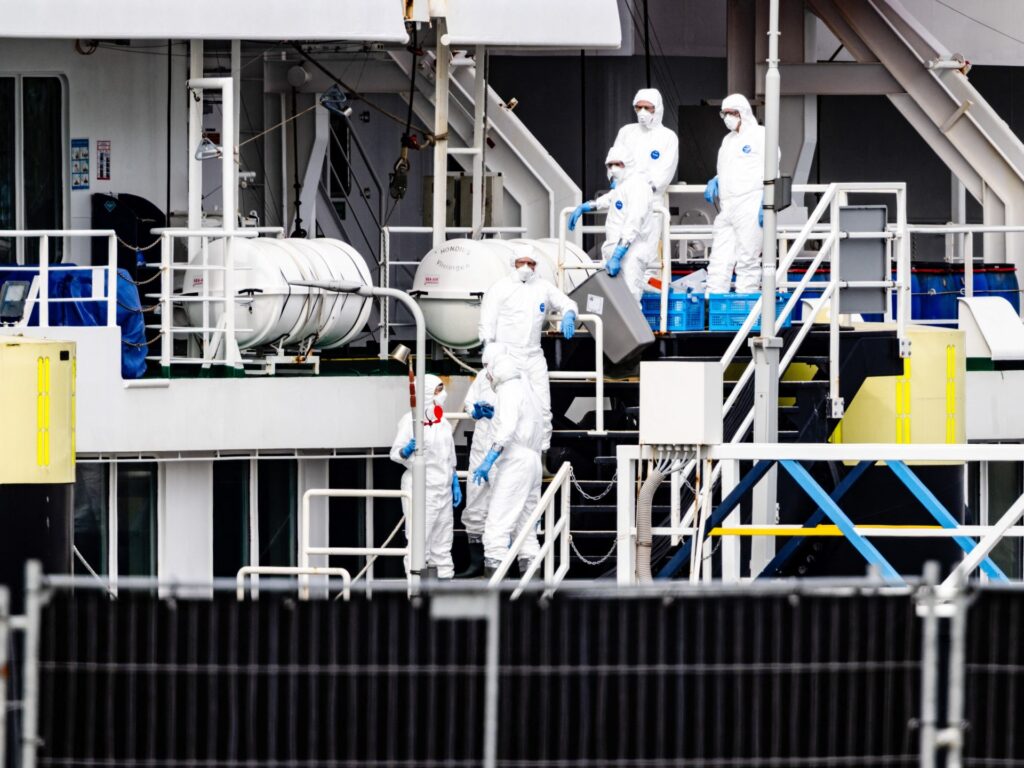
The World Health Organization (WHO) has confirmed the detection of the 12th individual infected with hantavirus in the Netherlands, raising concerns about the spread of this potentially severe viral illness. The new case was identified following investigations linked to a recent outbreak among individuals who had traveled on a specific cruise ship.
Tedros Adhanom Ghebreyesus, the WHO Director-General, emphasized the urgency of the situation during a recent press briefing. He called on all countries to intensify their surveillance efforts, especially focusing on passengers who were aboard the implicated cruise vessel. This stern recommendation seeks to prevent further transmissions and to facilitate early diagnosis and treatment.
Hantavirus is primarily transmitted to humans through aerosolized virus particles originating from rodent urine, droppings, or saliva. While human-to-human transmission is extremely rare, outbreaks linked to environmental exposure in confined settings, such as ships or isolated rural areas, are of considerable public health concern.
The WHO’s directive includes enhanced monitoring, contact tracing, and timely reporting of suspected cases. Public health authorities are advised to educate travelers and healthcare providers about the symptoms associated with hantavirus infection, which can range from mild flu-like signs to severe respiratory and renal complications.
This latest diagnosis in the Netherlands signals the importance of ongoing vigilance and cooperation between international health organizations and national governments to contain infectious diseases effectively. The cruise ship environment is particularly sensitive due to the close quarters and communal nature of travel and activities, which can accelerate exposure risks.
Efforts are underway to conduct thorough epidemiological assessments and environmental inspections to identify potential sources of the virus on the cruise ship. Meanwhile, affected individuals are receiving supportive care and treatment to manage symptoms and prevent complications.
WHO’s call to action includes recommendations for all countries to remain alert, particularly ports and nations with returning passengers, to implement quarantine or medical observation protocols if necessary. Travel advisories may be updated as new information emerges.
Stakeholders, including cruise companies and health authorities, are collaborating to enhance sanitation measures and rodent control on ships. This comprehensive approach aims to mitigate the risk and safeguard public health while maintaining confidence in international travel and tourism.
As the situation evolves, WHO continues to monitor the case developments closely and will provide updates and guidance to the global community. The cooperation of all nations is vital to curb the spread of hantavirus and protect populations worldwide.
In conclusion, the WHO’s announcement of a 12th hantavirus infection case in the Netherlands linked to a cruise ship serves as a critical reminder of the challenges posed by emerging infectious diseases. Vigilant monitoring, rapid response, and robust preventive measures remain the cornerstone of global public health strategy against such threats.