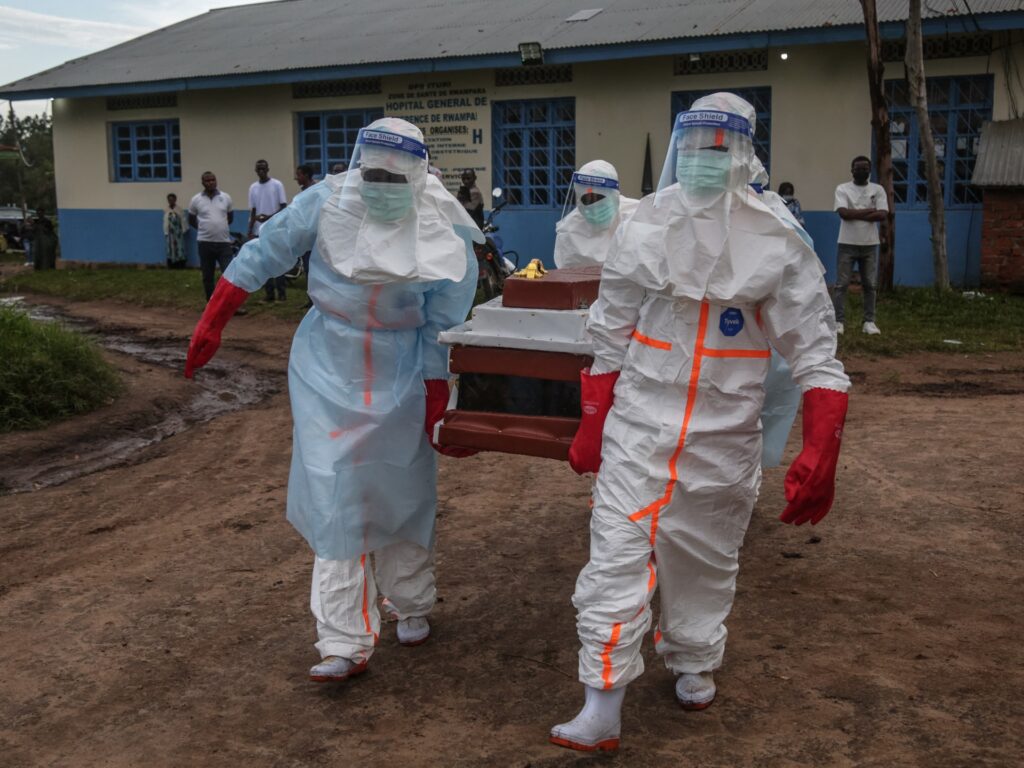
The World Health Organization (WHO) has escalated the public health risk level of the Ebola virus outbreak in the Democratic Republic of Congo (DR Congo) to ‘very high.’ This change comes as cases continue to rise, particularly in the Ituri province, which remains the epicenter of the outbreak.
In response to the escalating threat, local authorities in Ituri have implemented stringent measures aimed at curbing the spread of the virus. Among the most significant steps taken is a ban on all public gatherings, a decisive move to minimize human contact and prevent further transmission.
Ebola, a severe and often fatal disease in humans, is caused by the Ebola virus, known for its rapid transmission through body fluids and close contact. Symptoms typically include fever, fatigue, muscle pain, headache, followed by vomiting, diarrhea, and, in severe cases, internal and external bleeding.
The current outbreak has raised alarms due to the difficulty in containment, compounded by the region’s challenging geography and healthcare infrastructure limitations. Ituri province, characterized by dense forests and remote communities, presents hurdles to effective health interventions and surveillance.
WHO’s declaration underscores the urgency for heightened international support and resources to manage the outbreak. Surveillance, rapid diagnosis, isolation of cases, contact tracing, and community engagement are critical components in combating the virus.
Local healthcare facilities are under immense pressure as they strive to accommodate and treat infected patients while safeguarding healthcare workers who are at high risk of exposure. WHO has prioritized the delivery of medical supplies, including personal protective equipment and experimental treatments, to affected areas.
Community adherence to the ban on public gatherings is essential to halt the virus’s spread. Public health campaigns are underway to educate residents on Ebola’s transmission and the importance of hygiene and early reporting of symptoms.
The outbreak’s impact extends beyond health, influencing social, economic, and political aspects in the region. Marketplaces, schools, and places of worship have been affected by restrictions, with community leaders calling for cooperative efforts to navigate the crisis.
WHO continues to monitor the situation closely and is coordinating with the Congolese government, international partners, and non-governmental organizations to streamline response efforts.
The ‘very high’ risk designation serves as a call to action, highlighting that Ebola remains a significant threat requiring sustained vigilance and collaborative intervention to protect vulnerable populations and prevent further loss of life.