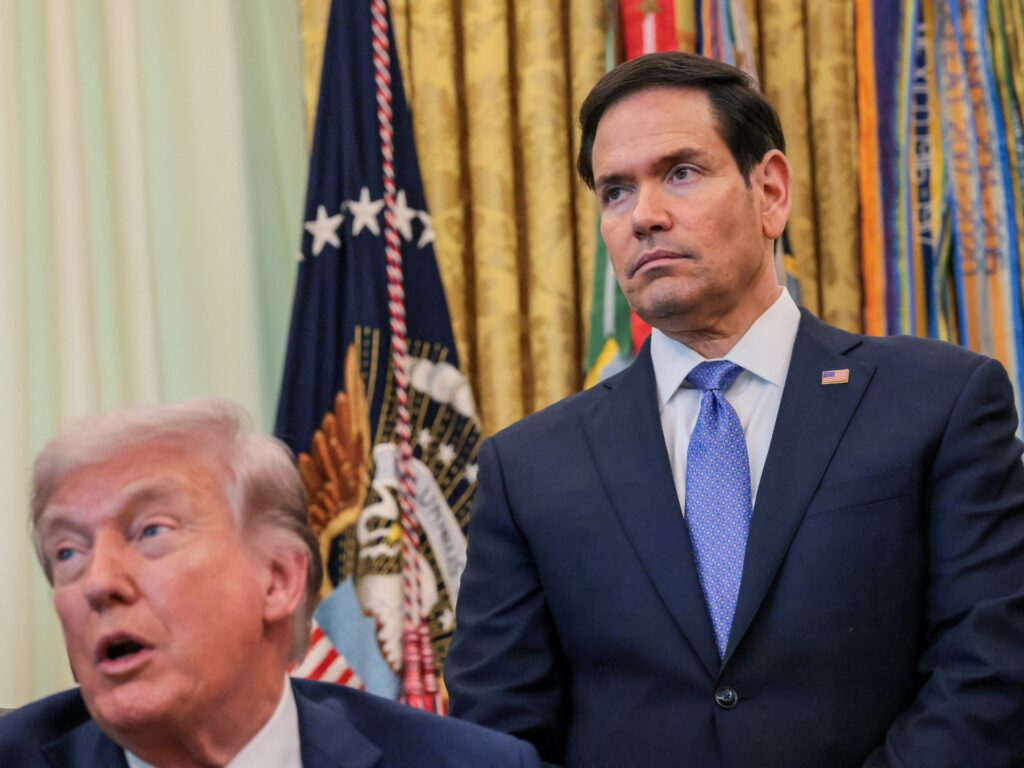
In a significant escalation of tensions, US Secretary of State Marco Rubio has issued a stark warning, stating that Cuba poses a national security threat to the United States. Rubio’s comments have raised the possibility of military action against the Caribbean island, reflecting growing concerns within the US government about Cuba’s strategic intentions and alliances.
The announcement comes after a series of events that have heightened anxieties in Washington regarding Cuba’s role in regional security dynamics. Rubio emphasized that the US is closely monitoring developments and will not rule out any measures to protect national interests.
Historically, US-Cuba relations have been fraught with hostility since the Cold War era, with embargos, diplomatic isolation, and sporadic confrontations. The recent statements suggest a potential pivot back toward a more confrontational stance, possibly influenced by perceived threats from Cuba’s partnerships with countries considered adversaries to the US.
Experts suggest that the renewed rhetoric could be aimed at signaling firmness to both domestic audiences and international allies, reaffirming the US’s commitment to maintaining security in its sphere of influence. The Cuban government has yet to respond publicly to Rubio’s statements.
This development comes at a delicate time in US foreign policy, with the administration balancing numerous global issues. The possibility of military action underlines the seriousness with which the US views Cuba’s activities, potentially reshaping geopolitical relations in the Western Hemisphere.
As the situation unfolds, diplomatic channels remain crucial to prevent escalation. Both sides face the challenge of navigating a complex relationship shaped by decades of mistrust, and the coming weeks will be critical in determining the trajectory of US-Cuba relations.