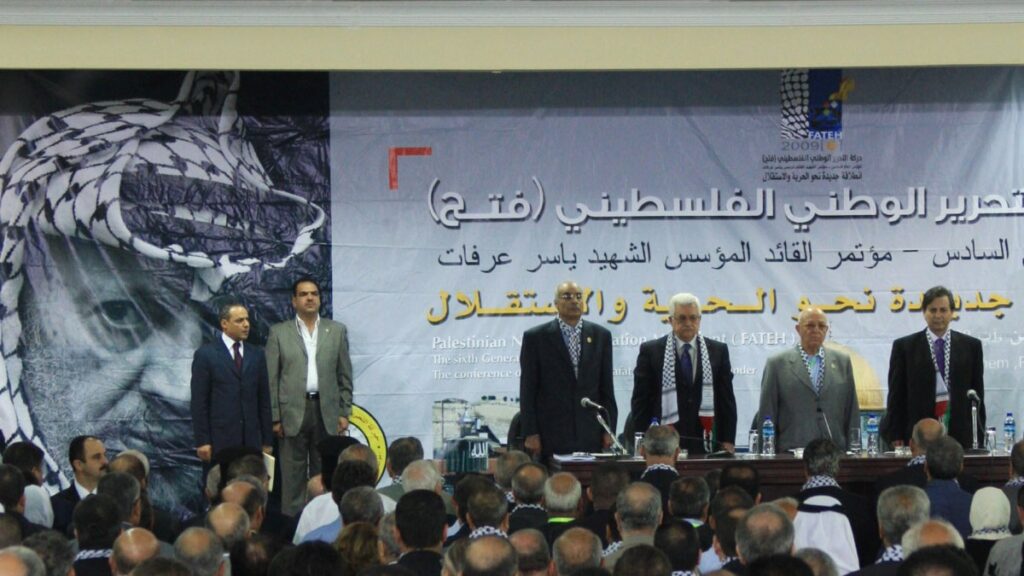
Fatah, the major Palestinian political movement, is currently holding its 8th General Congress, a pivotal event that has been delayed for years amid a complex backdrop of political tension and internal challenges. This congress is not just a routine gathering; it has been described as a ‘quiet battle’ that carries significant implications for the movement’s loyalty dynamics, succession plans, and its overarching future.
Originally scheduled years ago, the postponements have only heightened the anticipation and stakes of the congress. The event brings together key party figures, influential leaders, and delegates who will deliberate on the movement’s strategic direction amid the evolving political landscape in Palestine and the greater Middle East.
One of the primary issues at stake is the leadership succession within Fatah. Since the movement’s founding by Yasser Arafat, leadership has largely been concentrated, with Mahmoud Abbas at the helm in recent years. However, Abbas’s advancing age and health issues have sparked debates and contestations over who will succeed him and how the transition will be managed to ensure continuity and stability.
Loyalty is another critical theme of the congress. Fatah has experienced internal divisions and factionalism, with various groups vying for influence. This general congress serves as a platform to reaffirm or realign allegiances within the movement, which could affect policy decisions and its relationship with other Palestinian factions, notably Hamas.
The future direction of Fatah is also on the agenda. The movement is grappling with how to address ongoing challenges such as the stalled peace process with Israel, internal governance issues within the Palestinian Authority, and the broader quest for Palestinian statehood and international recognition.
Furthermore, the congress is expected to tackle organizational reforms aimed at revitalizing Fatah’s operations, improving transparency, and enhancing its connection with younger generations and grassroots supporters who seek more dynamic leadership and accountability.
Observers view this congress as a bellwether for the political future of Palestine, understanding that the decisions made will ripple through Palestinian society and influence regional geopolitics. The outcomes could shape the strategies employed in diplomatic engagements, resistance approaches, and internal governance for years to come.
In summary, Fatah’s 8th General Congress is a critical juncture that encompasses deep concerns over leadership succession, loyalty alignments, and the strategic path forward for the movement. Its impact extends beyond internal politics, touching upon the broader Palestinian national project and the quest for peace and self-determination.