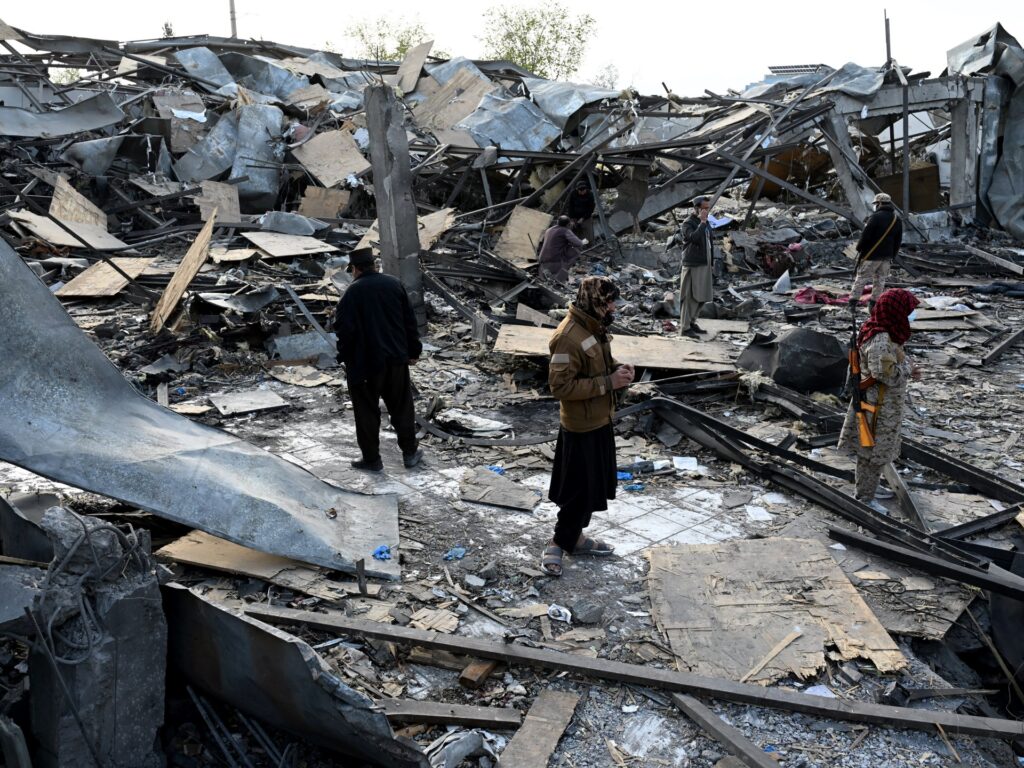
In the first three months of 2026, over 370 Afghans were reported killed amid the ongoing conflict in Pakistan, the United Nations disclosed recently. The surge in casualties coincides with escalating fighting between the Taliban and Pakistani security forces, particularly intensifying in February. The conflict has drawn international concern due to the significant loss of civilian lives during military operations.
The UN’s report highlighted a sharp increase in hostilities, noting that air raids carried out by Pakistani forces resulted in numerous civilian deaths, compounding the humanitarian crisis.
The conflict is rooted in long-standing tensions along the Pakistan-Afghanistan border, with the Taliban seeking to expand their influence and Pakistani forces responding with aggressive military action. The volatile situation has displaced thousands and disrupted daily life in affected regions.
Pakistan has aimed to eliminate militant hideouts within its borders, but the airstrikes have arguably exacerbated instability by affecting villages and towns where civilians reside. The loss of civilian lives has drawn criticism from human rights organizations and calls for greater restraint and adherence to international humanitarian laws.
The UN’s data sheds light on the human cost of the conflict, urging both parties to seek peaceful resolutions and prioritize the protection of non-combatants. Aid groups warn that continued fighting risks deepening the humanitarian crisis, with increased displacement, food insecurity, and trauma among the affected populations.
Local Afghan communities have reported difficulty accessing essential services, including healthcare and education, further undermining resilience in conflict zones. The ongoing violence also disrupts cross-border trade and economic activities vital for the livelihood of border communities.
International actors are being called upon to support dialogue and peacebuilding efforts to prevent further loss of life and promote stability in the region. The situation remains fragile, with hopes pinned on diplomatic interventions and ceasefire agreements.
As the conflict persists, emphasis on monitoring human rights violations and providing humanitarian aid is crucial to mitigate the suffering of civilians caught in the crossfire. The UN continues to advocate for comprehensive peace negotiations that address the root causes of the conflict and lay the groundwork for lasting security and development in the affected areas.
The early months of 2026 underscore the urgent need for a coordinated response to halt violence and foster reconciliation between conflicting parties, aiming to restore peace and protect vulnerable populations along the Pakistan-Afghanistan border.