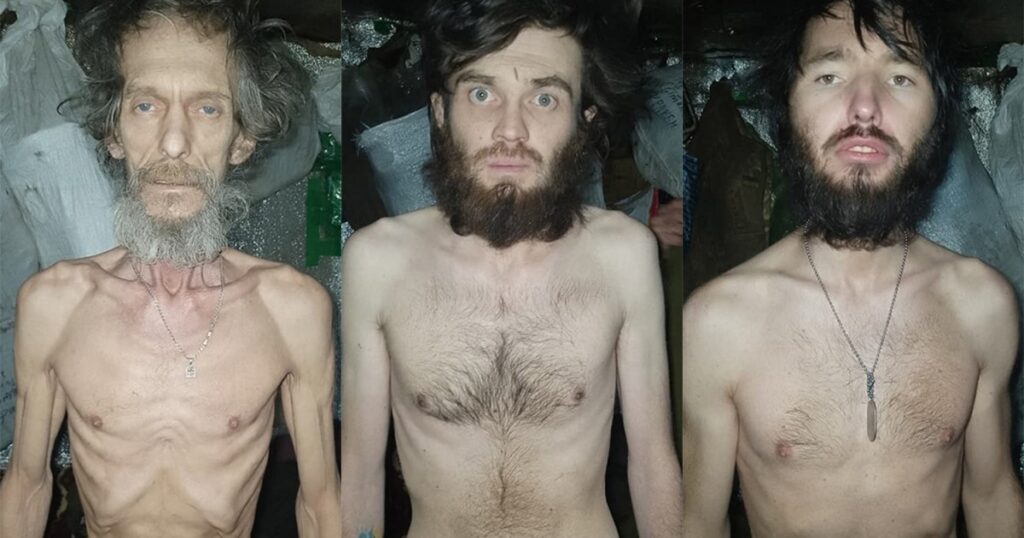
The ongoing conflict between Ukraine and Russia has precipitated a severe crisis in food supply on the front lines for both Ukrainian and Russian soldiers, dramatically impacting their well-being and combat effectiveness. As fighting intensifies in various war-torn regions, reports and photos revealing emaciated soldiers and civilians have brought global attention to the dire situation.
Ukrainian forces, battling to defend their sovereignty, are facing acute shortages of nutritious food. Limited access to supplies coupled with disrupted logistics due to continuous hostilities has forced frontline troops to subsist on meager rations. The scarcity of balanced meals is not just a matter of discomfort but is undermining soldiers’ strength and stamina, vital in such an exhausting conflict.
Photos circulating internationally show the stark reality faced by many on the Ukrainian side: gaunt faces, skeletal frames, and exhaustion etched in their expressions. These images have raised humanitarian concerns and highlighted the critical need for coordinated food aid and better logistical support. Efforts by volunteer groups and international organizations aim to supply food parcels, but safe delivery routes remain a persistent challenge.
Russian soldiers, similarly, are not immune to the crisis. Reports from the ground indicate that Russian military personnel also endure limited and poor-quality food rations during their operations, leading to malnutrition and lowered morale. Restrictions caused by sanctions and the extended supply chains contribute to these deficiencies.
This nutrition crisis is unprecedented in modern warfare contexts for both sides and reflects the broader humanitarian impact of the conflict, which extends far beyond the battlefield. Malnourishment compromises immune systems and increases susceptibility to illness — factors which are especially dangerous in harsh front-line environments.
Experts warn that without immediate intervention to stabilize food supplies, prolonged deprivation could exacerbate health issues and reduce the combat readiness of troops on both sides. Continuous fighting and the destruction of infrastructure further complicate efforts to restore normalcy to supply chains.
The situation also impacts local populations, who are caught in the crossfire and suffer from disrupted agriculture and food distribution. Many civilians face starvation and worsening living conditions, creating a parallel crisis that demands urgent humanitarian attention.
International bodies including the United Nations and Red Cross have called for ceasefires or safe corridors to facilitate the delivery of food and medical aid. However, political and military realities have made such efforts difficult to implement consistently.
In summary, the food supply crisis on the front lines of Ukraine’s conflict with Russia is a stark reminder of the multifaceted toll war takes on human life. Addressing this issue requires urgent cooperative action from military commanders, governments, and humanitarian agencies to ensure that the basic needs of all affected—soldiers and civilians alike—are met, mitigating what could become a catastrophic humanitarian disaster.