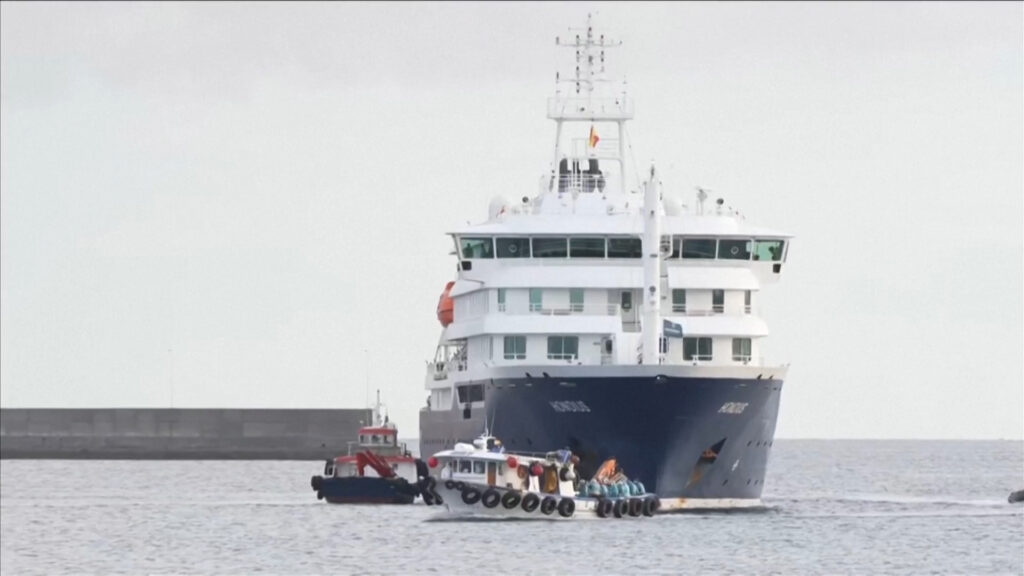
In a concerning development, a French woman and two US citizens who were evacuated from the MV Hondius, a cruise ship hit by a hantavirus outbreak, have tested positive for the virus. The situation unfolded as passengers were being evacuated from the vessel, which became the center of an infectious disease alert.
The MV Hondius had been sailing when cases of hantavirus were detected, prompting immediate action to safeguard the health of all onboard and to contain any potential spread. Authorities initiated an evacuation process to move passengers to safer locations for thorough medical assessments and treatments.
Hantavirus is a rare but serious viral infection transmitted primarily through exposure to rodent droppings, urine, or saliva. It can cause severe respiratory issues and even be fatal if not treated promptly. The virus is known for its potential to cause outbreaks in enclosed spaces, making cruise ships a high-risk environment once infected.
Health officials confirmed that after initial screenings and testing of evacuees, two US citizens and one French national showed positive results. These individuals are now receiving medical care and are being monitored closely by healthcare professionals.
Authorities in both the United States and France have been working cooperatively to manage the situation, ensuring that all affected individuals receive appropriate medical attention and that public health risks are mitigated. The affected evacuees are reportedly in stable condition and isolated to prevent further transmission.
The cruise ship, MV Hondius, is undergoing rigorous sanitation and containment procedures to prevent the virus from spreading to future passengers or crew members. The shipping company has expressed deep concern and is cooperating fully with health agencies to handle the outbreak responsibly.
This incident highlights the importance of vigilance and preparedness in managing infectious diseases on cruise ships. It also underscores the necessity for passengers to report symptoms early and for onboard healthcare teams to be ready for outbreaks.
Health agencies worldwide are monitoring the situation closely and advising travelers on the precautions needed to avoid hantavirus exposure. These include avoiding contact with rodent habitats and maintaining high hygiene standards, especially in communal living environments.
Further investigations are underway to identify how the virus was introduced to the ship and to assess the full scope of the outbreak. Authorities have promised to keep the public informed as new information becomes available.
The MV Hondius hantavirus incident serves as a critical reminder of the vulnerabilities in managing infectious diseases during travel and the coordinated efforts needed to protect global public health.