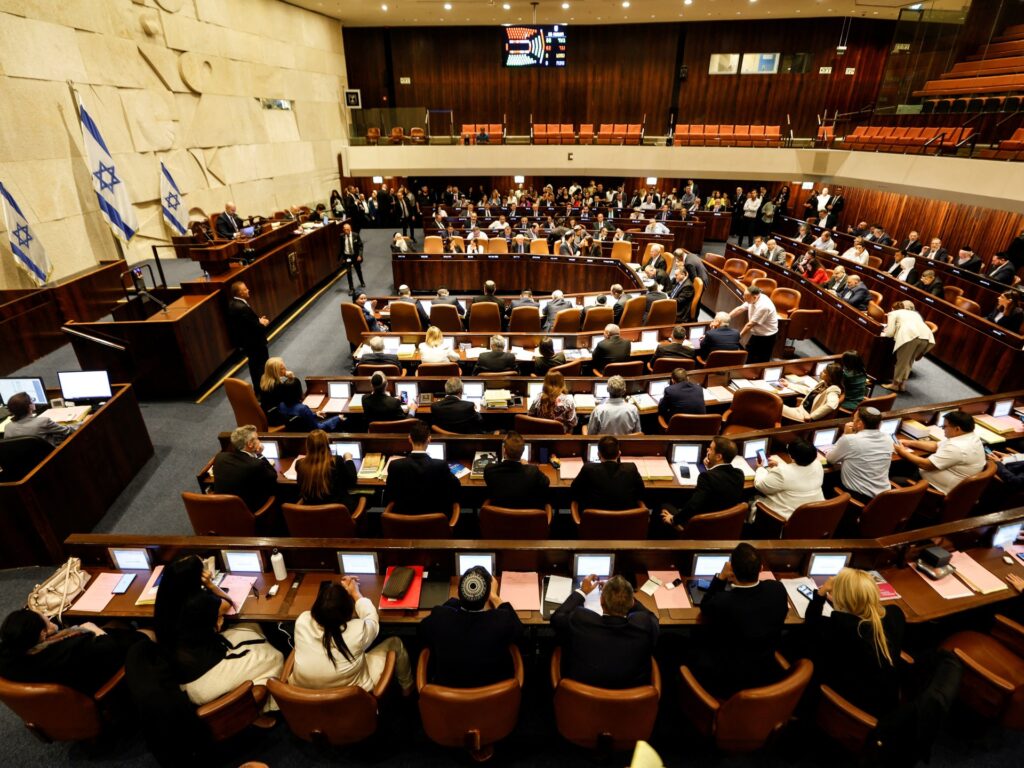
Israel is moving forward with controversial legislation aimed at detaining and prosecuting individuals captured in connection with events on October 7. The proposed laws seek to try these detainees in military courts, which has raised serious concerns domestically and internationally about the fairness of the legal process and the potential for ‘show trials.’
The context for this legislative push stems from heightened security concerns following attacks attributed to militants, which resulted in significant casualties and losses. In response, the Israeli government has prioritized swift and decisive legal action against those apprehended in connection with these incidents.
Key aspects of the legislation include the use of military courts rather than civilian judicial systems for prosecuting the detainees. This procedural shift is perceived by critics as limiting due process rights, including the rights to a fair trial and adequate legal representation. Military courts often have different standards and procedures that may favor expedited judgments.
Moreover, there is apprehension about the possibility of capital punishment being applied. The phrase “pushes for hangings” has been used in media reports to highlight fears that the state could implement executions as part of its punitive measures. While Israel has not carried out the death penalty since 1962, the renewed discussions about capital punishment reflect the severity with which the government is treating the October 7 events.
Advocates for human rights and legal experts warn that moving forward with these processes risks undermining the rule of law and damaging Israel’s international reputation. They stress the importance of upholding international human rights standards, even when dealing with individuals accused of serious offenses.
Military trials often lack transparency, and the possibility of ‘show trials’—where outcomes are predetermined or trials serve more as political statements than true judicial proceedings—heightens concern about justice not being served appropriately. Such practices could exacerbate tensions and fuel further conflict.
Israeli officials defending the legislation argue that the extraordinary circumstances demand extraordinary measures. They maintain that the military courts are equipped to handle cases related to national security swiftly and effectively. Ensuring the safety and security of the population remains their stated priority.
The legislation also includes provisions aimed at limiting media coverage and public access to trial details, further fueling fears about secrecy and potential miscarriages of justice.
The international community is closely watching these developments. Various human rights organizations have urged Israel to reconsider the approach, emphasizing that even in times of conflict, defendants must be guaranteed fair trials consistent with international law.
In conclusion, Israel’s push to use military courts for October 7 detainees, coupled with the prospect of capital punishment, has sparked intense debate about human rights, legal fairness, and security concerns. How this legislation unfolds will significantly impact Israel’s legal system, its moral standing globally, and the ongoing conflict dynamics in the region.