In recent weeks, the fragile ceasefire between Israel and Hezbollah appears to be unraveling as incidents of violence have escalated, leading to a significant rise in Israeli killings in Lebanon. Despite official commitments to halt hostilities, both sides have increased their military actions, casting serious doubts on the viability of peace in the region.
The ceasefire, agreed upon months ago after years of conflict, was intended to de-escalate tensions and establish a framework for dialogue. However, the persistent skirmishes and targeted attacks suggest that neither party is fully committed to maintaining peace.
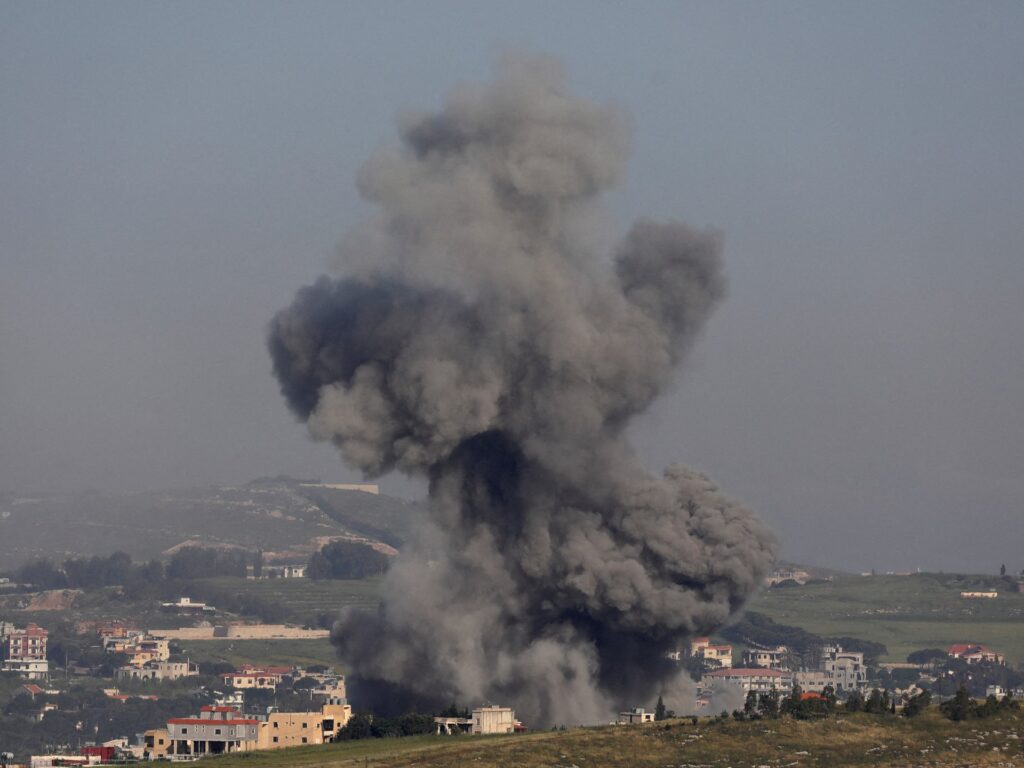
Israeli forces have conducted a series of airstrikes and ground operations targeting Hezbollah strongholds in Lebanon, citing defensive measures against the militant group’s continued attacks on Israeli territory. These actions have resulted in numerous casualties and destruction within Lebanese borders.
Conversely, Hezbollah has responded with retaliatory missile launches and attacks targeting Israeli military positions, further exacerbating the situation. The militant group warns that the recent Israeli assaults are provocations designed to destabilize the ceasefire agreement.
The international community has expressed deep concern over the escalating violence. The United Nations and various global powers have called for both parties to return to dialogue and respect the ceasefire terms to avoid a broader conflict that could engulf the region.
Civilians on both sides bear the brunt of these renewed hostilities. In Lebanon, families mourn the loss of loved ones and face disruption to daily life, while in Israel, communities endure threats to their security and well-being.
Analysts suggest that the growing hostility may be influenced by political dynamics within each side, with hardline factions seeking to gain leverage through military means. Additionally, external factors such as regional alliances and international pressure play a role in shaping the conflict’s trajectory.
Diplomatic efforts continue behind the scenes, with mediators attempting to revive talks and reinstate the ceasefire’s credibility. However, the increasing number of violent incidents undermines negotiation prospects and threatens to plunge the area into full-scale war.
The rising Israeli killings in Lebanon symbolize a critical juncture in the long-standing conflict. The ‘pretence’ of the ceasefire, once seen as a beacon of hope, now risks being reduced to a mere facade amidst escalating violence.
Observers urge all parties involved to exercise restraint and prioritize peace to prevent further loss of life and regional instability. The enduring conflict highlights the urgent need for a sustainable political solution addressing the core issues driving hostilities between Israel and Hezbollah.
As tensions mount, the world watches closely, hoping that diplomacy will prevail and the region can move away from the cycle of violence towards lasting peace and cooperation.