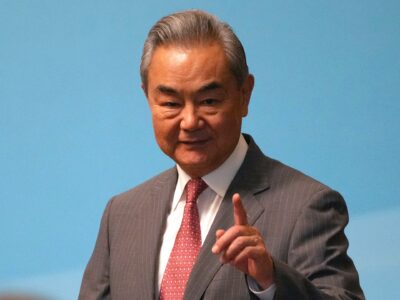
Iran has indicated a willingness to provide assurances regarding the use of its nuclear facilities, signaling a potential avenue for renewed dialogue in the ongoing international concerns over its nuclear program. However, Iranian officials have made it clear that while negotiation over the operation and oversight of nuclear sites might be on the table, the country is steadfast in its refusal to destroy its uranium stockpiles or permit their transfer outside its borders.
This development comes amid heightened tensions and international scrutiny. Iran’s nuclear program has long been a focal point of disputes and diplomatic efforts, with many nations seeking guarantees that Tehran’s ambitions are strictly peaceful. The assurance to negotiate suggests a possible softening or at least a nuanced stance by Iran that could open channels for communication with global powers and stakeholders.
Despite this openness to negotiation, the firm stance on uranium signifies deep concerns over national sovereignty and security. The Iranian administration emphasizes that uranium, a critical element for nuclear fuel, remains a cornerstone of their energy strategy and national pride. Transferring or destroying uranium could be interpreted domestically as capitulation to foreign pressure.
Previously, international negotiations, such as those related to the Joint Comprehensive Plan of Action (JCPOA), have seen Iran agree to limits on uranium enrichment levels and stockpile amounts. These compromises were controversial within Iran and beyond but were instrumental in easing sanctions and fostering a degree of trust with the international community.
The current remarks suggest that while Iran may seek to engage diplomatically, they want to maintain control over their nuclear material, avoiding decisions that might undermine their technological and strategic capabilities. This stance also underscores the complexities facing diplomats tasked with resolving nuclear disputes, as any agreement must balance Iran’s security concerns with global non-proliferation goals.
Experts caution that the path ahead remains fraught with challenges. Assurance on the use of facilities might require rigorous inspection regimes and transparent reporting mechanisms, which Iran has historically resisted. Meanwhile, refusing to destroy or relocate uranium could limit the scope of what international negotiators consider acceptable compromises.
In conclusion, Iran’s potential offers to provide assurances on its nuclear program represent a cautious step towards potential dialogue. However, its unyielding position on uranium suggests that any successful negotiation will require innovative diplomacy and mutual concessions. How the international community responds to these signals will be crucial in shaping the future of nuclear non-proliferation efforts in the region and beyond.