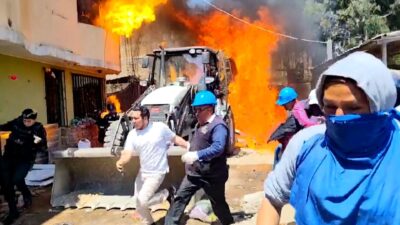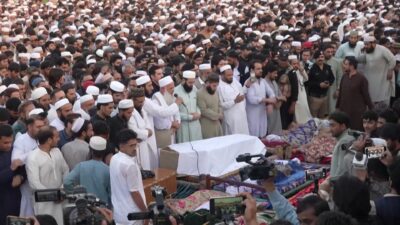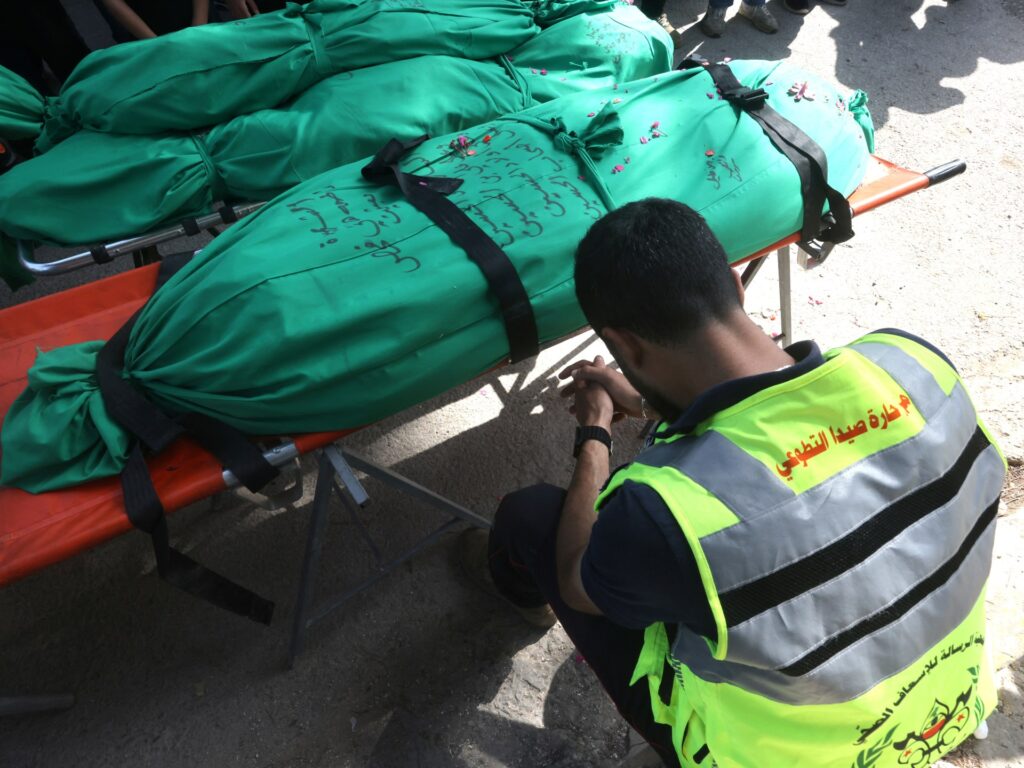
Amid escalating conflict in southern Lebanon, Israeli military operations have led to a devastating death toll, with at least 51 casualties reported in recent attacks, including medics who are often shielded by international laws during wartime. Since the onset of the so-called ‘ceasefire’ on April 16, a total of 552 people have been killed in this volatile region, underscoring the fragility of peace and the grave humanitarian consequences of the clashes.
These military strikes by Israel have targeted various areas in southern Lebanon, a region that has experienced heightened tensions for years due to its geopolitical significance and the presence of armed groups. Civilians, including healthcare workers, have increasingly found themselves in the crossfire, accentuating the challenges faced by humanitarian efforts in conflict zones.
The involvement of medics among the fatalities highlights the dire situation on the ground, where medical personnel are critical in providing urgent care to wounded civilians and combatants alike. Their deaths not only represent a profound human loss but also hamper the already strained healthcare infrastructure in the area.
The reported death toll since April 16 reflects a severe deterioration in security and stability, with the ‘ceasefire’ failing to hold. Such a high number of casualties post-ceasefire raises questions about the enforcement and monitoring mechanisms for ceasefire agreements in conflict zones.
International organizations and human rights groups have expressed concerns over the intensified attacks, calling for immediate cessation of hostilities and urging all parties to abide by international humanitarian law, which mandates the protection of medical workers and civilian lives during armed conflicts.
The ongoing violence in southern Lebanon has broader implications for regional peace and security. The escalation not only affects Lebanon and Israel but also stokes tensions across the Middle East, complicating diplomatic efforts and peace negotiations.
Efforts to establish a durable ceasefire and to address the underlying causes of this conflict are deemed essential to prevent further loss of life and to foster stability. The international community’s response, including diplomatic interventions and humanitarian aid, plays a crucial role in supporting affected populations and encouraging peaceful resolutions.
As the situation develops, there is a pressing need for transparent reporting and accountability to ensure that violations of ceasefire agreements and international law are addressed. The protection of civilians, including medics, requires concerted efforts from all stakeholders to safeguard human life and uphold the principles of humanity amidst conflict.
Overall, the ongoing Israeli attacks in southern Lebanon serve as a grim reminder of the human cost of conflict and the urgent necessity for peace-building measures. The deaths of 552 individuals, including essential medical workers, since mid-April highlight the critical humanitarian challenges and the imperative for renewed international commitment to resolve the crisis.