Tensions continue to escalate in the Middle East as the conflict involving Iran and Israel intensifies, drawing sharp responses from international leaders and affecting the geopolitical landscape.
US President Donald Trump has publicly condemned Tehran’s recent reply to ongoing hostilities, labeling it ‘unacceptable.’ The President’s statement underscores the United States’ firm position against the backdrop of increasing military actions in the region. Tehran’s response came amid reports emphasizing Iran’s military readiness should the conflict with the US and Israel reignite.
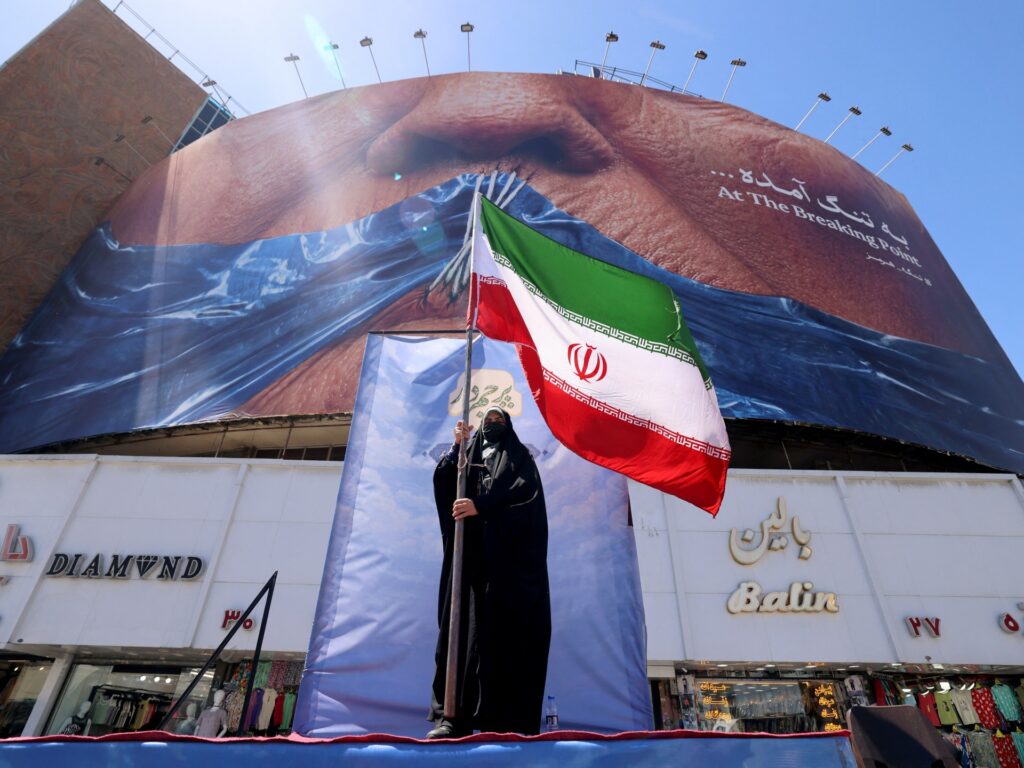
The Iranian military issued a strong warning declaring its preparedness if a war with the US and Israel were to resume. This statement highlights the heightened state of alert and the potential for further escalation in an already volatile zone.
Meanwhile, in Lebanon, Israeli forces have reportedly killed two medics during military operations. This incident has sparked international concern, drawing criticism and calls for restraint to prevent further civilian casualties and deterioration of the humanitarian situation.
The killing of medical personnel — who typically deliver aid and treatment to civilians — adds another layer of complexity to the conflict, raising significant ethical and legal questions under international law.
These developments come as diplomatic efforts continue to seek a peaceful resolution, but with little success so far. The international community remains watchful, urging all parties to exercise caution and adhere to principles that safeguard civilian lives.
Analysts note that the situation remains precarious, with the potential for rapid escalation if diplomatic channels fail. The US administration’s firm stance against Tehran, combined with Israel’s military actions in Lebanon, reflects the deepening divisions and fracturing alliances in the region.
Sharp exchanges between major powers, including threats and military posturing, underscore the delicate balance that could tip into full-scale conflict. The ongoing violence in Lebanon, alongside Iran’s pointed threats against US and Israeli interests, contributes to an increasingly unstable environment.
Amid this turmoil, humanitarian organizations are expressing grave concern over the safety of civilians and aid workers, calling on all sides to respect ceasefire agreements and ensure access to essential services.
As the situation develops, global leaders are urged to intensify diplomatic engagement and support conflict resolution mechanisms to avoid further bloodshed and promote long-term stability in the Middle East.
The recent events serve as a stark reminder of the fragile peace and the urgent need for comprehensive diplomatic solutions to address the underlying causes of conflict involving Iran, Israel, and their respective allies.
With tensions at a critical juncture, the world watches closely, hoping for de-escalation but preparing for potential ramifications of continued hostilities in this strategically significant region.