On the 72nd day of the ongoing Iran-related conflict, tensions continue to escalate with critical diplomatic and military developments. Tehran has yet to respond to the United States’ latest proposal aimed at ending the war, prolonging uncertainty in the region. Meanwhile, the situation on the ground remains volatile, with Israel conducting intense military operations in Lebanon.
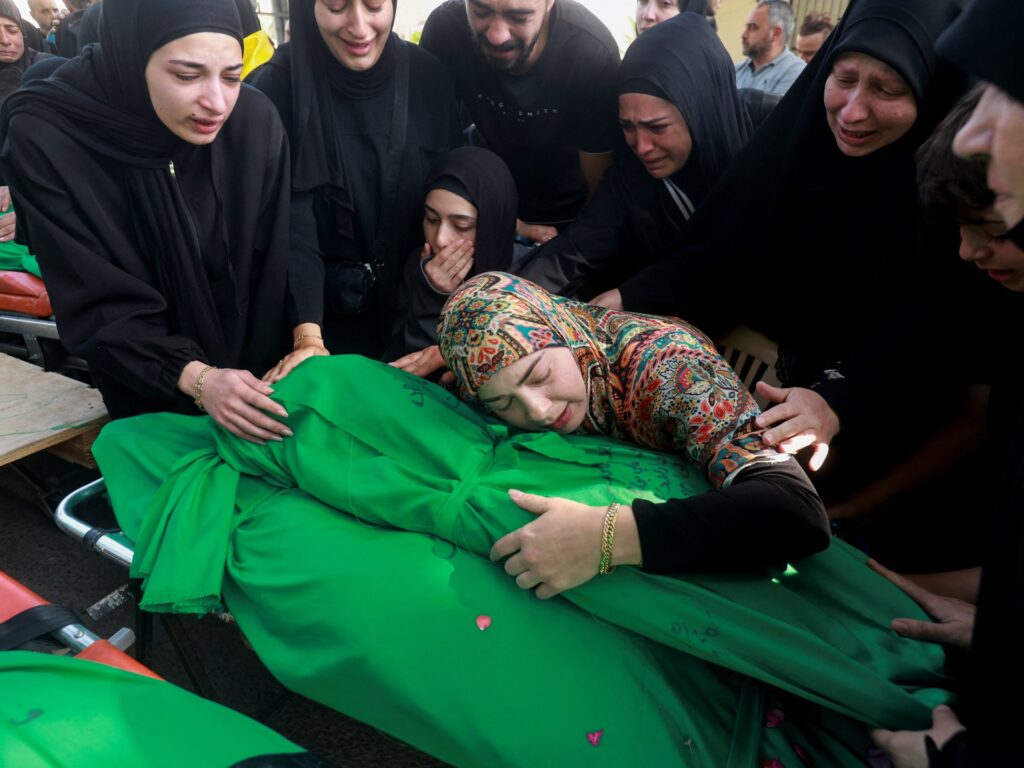
In one of the deadliest single-day incidents, Israeli airstrikes in Lebanon have killed at least 24 people. This surge in violence highlights the grave risks of regional destabilization and the human cost of the conflict. The strikes targeted various sites across Lebanon, raising concerns over further escalation between Israel and Iranian-backed groups operating in the region.
Despite diplomatic efforts by the US, including the recent plan to negotiate a ceasefire or peace deal, Tehran’s silence raises questions about the prospects for de-escalation. Analysts suggest that Iran may be weighing its strategic options, considering domestic pressures and regional alliances before making any commitments.
The US proposal reportedly includes terms that aim to address Iran’s security concerns while seeking to curtail hostile activities by Iranian proxies. However, the lack of an official response from Tehran has stalled potential negotiations, leaving the door open for continued conflict.
On the ground, the civilian toll continues to mount, with Lebanese communities bearing the brunt of the hostilities. International humanitarian organizations have called for immediate cessation of violence to prevent further loss of life and displacement.
Israel’s military strategy appears aimed at weakening the operational capabilities of Hezbollah and other allied militant groups. However, each strike risks escalating retaliatory measures, potentially drawing neighboring countries deeper into the conflict.
The global community watches anxiously as diplomacy stalls and military actions intensify. The prospect of a prolonged war in the Middle East carries grave implications for regional stability and international security.
Experts emphasize the urgent need for dialogue and confidence-building measures to prevent a wider conflict. The current deadlock between Tehran and Washington underscores the complexities of Middle East geopolitics, where longstanding grievances and alliances complicate peace efforts.
As day 72 draws to a close, the unresolved status of the US peace proposal and the continuing Israeli bombings in Lebanon serve as stark reminders of the fragile and volatile situation. The coming days will be critical in determining whether diplomatic efforts can gain traction before further casualties and hostilities escalate.