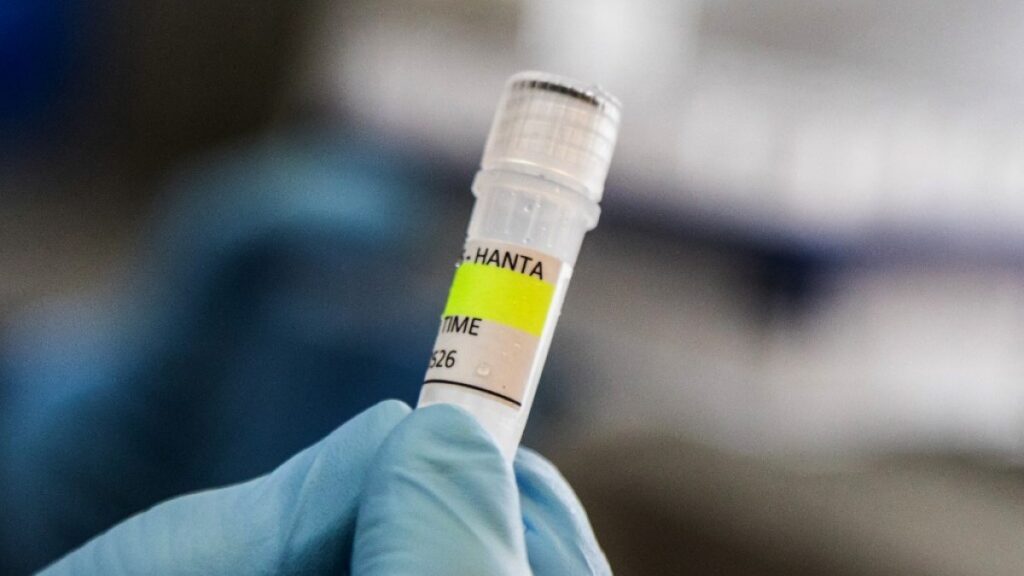
The United Kingdom has recently identified a new suspected case of hantavirus on the remote island of Tristan da Cunha, alongside two confirmed British cases detected on a cruise ship. Hantavirus is a rare but serious viral infection transmitted primarily through rodent droppings, saliva, or urine, known to cause severe respiratory and renal complications in humans.
Tristan da Cunha, one of the most isolated inhabited islands in the world, located in the South Atlantic Ocean, has heightened concerns due to its limited medical resources and challenging access for emergency medical support. The emergence of a suspected hantavirus case here poses a significant public health challenge for local authorities and healthcare providers.
The two confirmed cases on the cruise ship involved British nationals who exhibited symptoms consistent with hantavirus infection and were promptly diagnosed after disembarking. Health officials have since been conducting contact tracing and monitoring to prevent further spread.
In response to the suspected case on Tristan da Cunha, the UK’s health authorities have increased surveillance measures on the island. They are collaborating closely with local healthcare teams to ensure rapid diagnosis, contain potential transmission, and provide timely medical care to the affected individual.
Public health experts stress the importance of awareness and preventive measures in regions at risk. Residents and visitors are advised to avoid contact with rodents, maintain strict hygiene protocols, and seek immediate medical attention if symptoms such as fever, muscle aches, and breathing difficulties develop.
This development underscores the importance of vigilant monitoring and preparedness for infectious diseases, especially in isolated communities with limited access to healthcare infrastructure. Researchers continue to study hantavirus’s transmission dynamics to better understand and mitigate risks.
The UK government is committed to supporting Tristan da Cunha and other vulnerable locations with necessary medical supplies and expertise to manage this emerging health threat effectively. Ongoing surveillance and prompt response efforts remain priorities as investigations continue into the sources and spread of the hantavirus cases.
Overall, while hantavirus infections remain rare, their potential severity calls for coordinated public health actions to prevent outbreaks and safeguard at-risk populations, particularly in secluded environments like Tristan da Cunha.