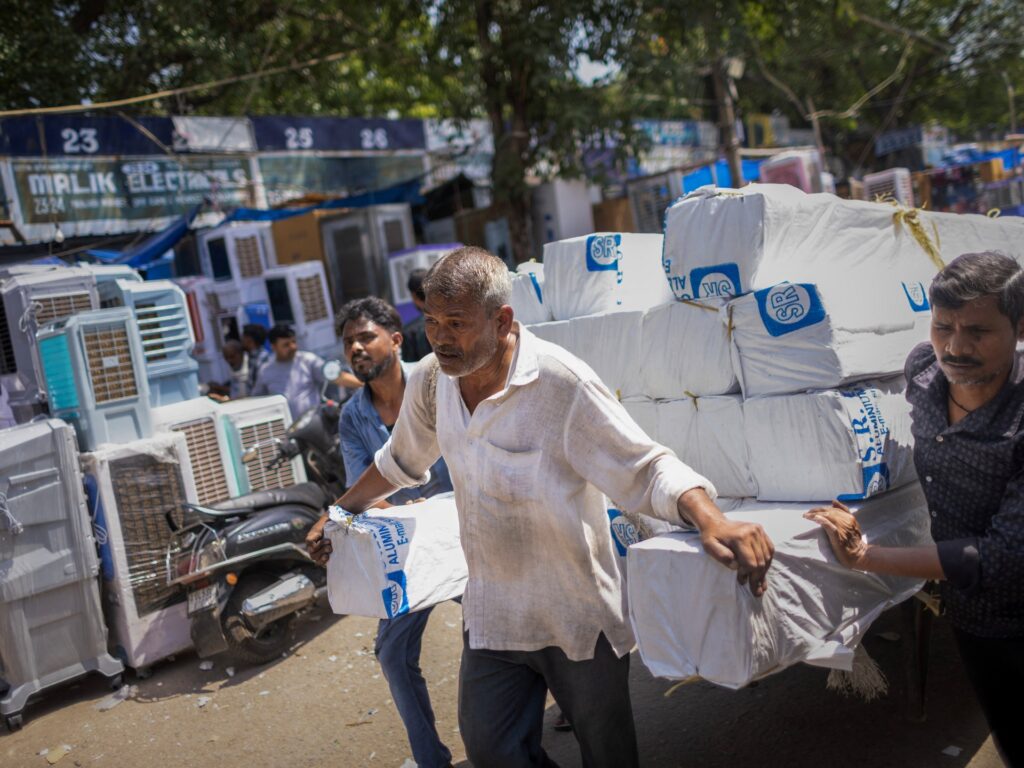
A historic and severe heatwave is currently engulfing much of South Asia, affecting countries like India, Pakistan, and Bangladesh. This relentless surge in temperatures has pushed mercury levels far beyond the usual seasonal averages, causing widespread distress and raising alarm about the region’s vulnerability to extreme weather events.
The heatwave is being described as a ‘calamity’ by meteorologists and environmental experts due to its intensity and the havoc it is wreaking on daily life. In many areas, temperatures have soared above 45°C (113°F), with some regions reporting even higher highs. This has led to a spike in heat-related illnesses and fatalities, overwhelming healthcare systems and prompting urgent advisories to the public.
Several factors contribute to this unprecedented heatwave. Climate scientists point to the role of climate change, which has increased the frequency and severity of such extreme weather phenomena globally. Rising greenhouse gas emissions trap more heat in the atmosphere, intensifying heatwaves.
Meteorological conditions such as weak monsoons, higher than normal solar radiation, and a lack of significant rainfall have exacerbated the situation. The monsoon rains, which typically bring respite during this time in South Asia, have been delayed or diminished, leaving the ground dry and temperatures climbing unchecked.
Urbanization also compounds the heat problem. Large cities with dense populations, concrete structures, and scarce greenery act as ‘heat islands,’ trapping more heat and making the urban atmosphere hotter compared to rural surroundings.
The consequences of this heatwave are manifold. Agriculture has taken a heavy hit, with heat stress affecting crop yields and jeopardizing food security. Water scarcity is intensifying as demand escalates and supplies dwindle, leading to tensions and hardships for millions relying on limited resources.
Energy demand has surged sharply as people turn to air conditioning and fans to cool down, straining power grids and leading to frequent outages. Vulnerable populations including the elderly, children, and outdoor workers face heightened risks of dehydration, heatstroke, and other heat-related ailments.
Governmental responses have involved public health warnings, the opening of cooling centers, distribution of water, and advisories on avoiding outdoor activities during peak heat hours. However, experts emphasize the need for long-term strategies to mitigate the impact of such events.
Climate action focusing on reducing emissions, enhancing green cover, improving urban planning and infrastructure, and developing early warning systems are critical. Furthermore, strengthening community resilience through public awareness campaigns and better healthcare preparedness can save lives in future heatwaves.
As South Asia continues to grapple with this record heatwave, it serves as a stark reminder of the urgent need for coordinated global and local efforts to tackle climate change and adapt to a warming world. Without decisive action, increasing heat extremes risk deepening humanitarian crises, impacting health, economy, and ecology across the region.