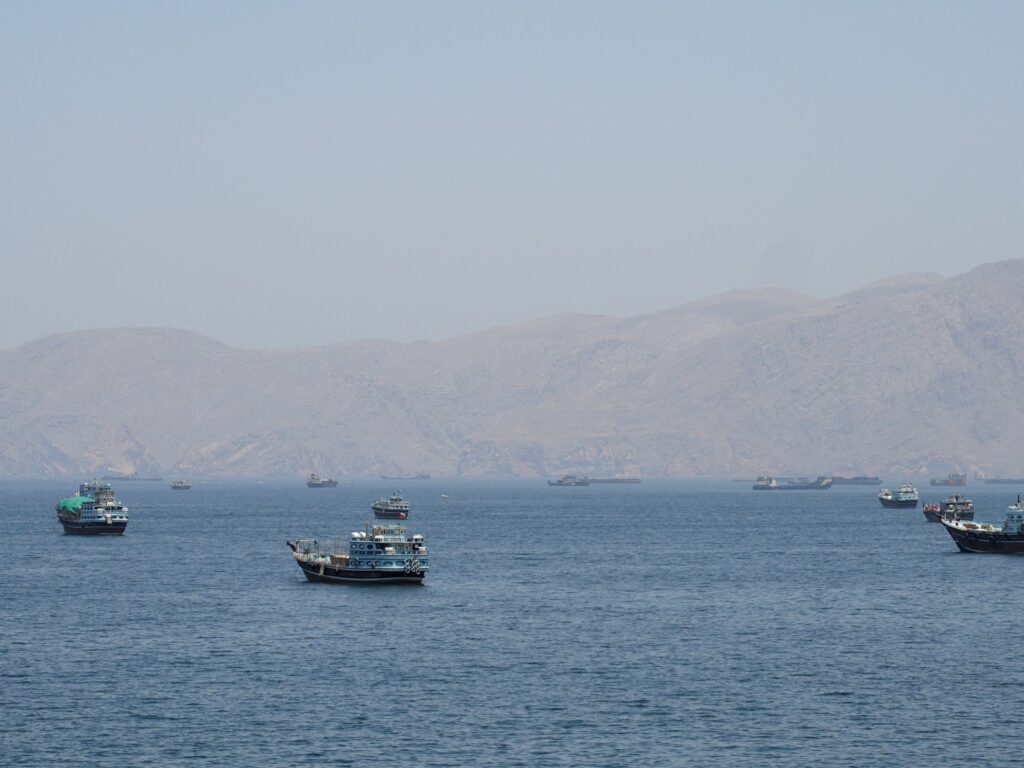
On the 70th day of the ongoing conflict between Iran and the United States, tensions escalated sharply in the strategic waters near the Strait of Hormuz, a critical chokepoint for global oil shipments. The incident involves accusations and counteraccusations over ceasefire violations, heightening fears of a broader regional escalation.
Iran has publicly accused the United States of breaching an agreed ceasefire in the vicinity of Hormuz. According to Iranian officials, American forces initiated aggressive actions that violated the fragile truce intended to reduce hostilities. These claims underscore Iran’s stance that Washington is deliberately destabilizing the situation in the region.
Conversely, the U.S. Central Command (CENTCOM) reported that American forces were compelled to respond defensively to Iranian attacks. CENTCOM stated that Iranian military units launched provocative actions against U.S. and allied forces, necessitating a measured and proportionate reply to ensure their safety and uphold security in the region.
The confrontation took place in an area that is vital for international navigation, with nearly a third of the world’s seaborne oil passing through the Strait of Hormuz. Any disruption here poses significant risks to global energy supplies and economic stability, which makes the incident particularly alarming on the international stage.
This exchange of fire marks one of the most direct military engagements between the two nations since the onset of hostilities over two months ago. Both sides remain entrenched in their positions, raising concerns over the durability of the ceasefire agreements brokered earlier in the conflict.
Diplomatic efforts are reportedly underway to de-escalate tensions and restore dialogue between the conflicting parties. International actors are calling for restraint and urging both Iran and the United States to honor their ceasefire commitments to prevent further violence.
The incident comes amid a broader context of heightened regional security challenges, with neighboring countries closely monitoring developments. The risk of accidental escalation remains high, as both military forces maintain a significant presence near the volatile area.
Analysts warn that this flare-up near Hormuz could either be an isolated skirmish or a precursor to intensified clashes, depending on the responses from Tehran and Washington in the coming days.
The international community continues to advocate for peaceful resolution measures, emphasizing the importance of sustained diplomatic engagement and conflict management strategies to avoid further destabilization in the Middle East.
As the conflict enters its third month, the world watches with increasing concern as the situation in the Gulf remains perilous, with both Iran and the U.S. poised for potential further confrontations that could reshape regional dynamics and impact global security.