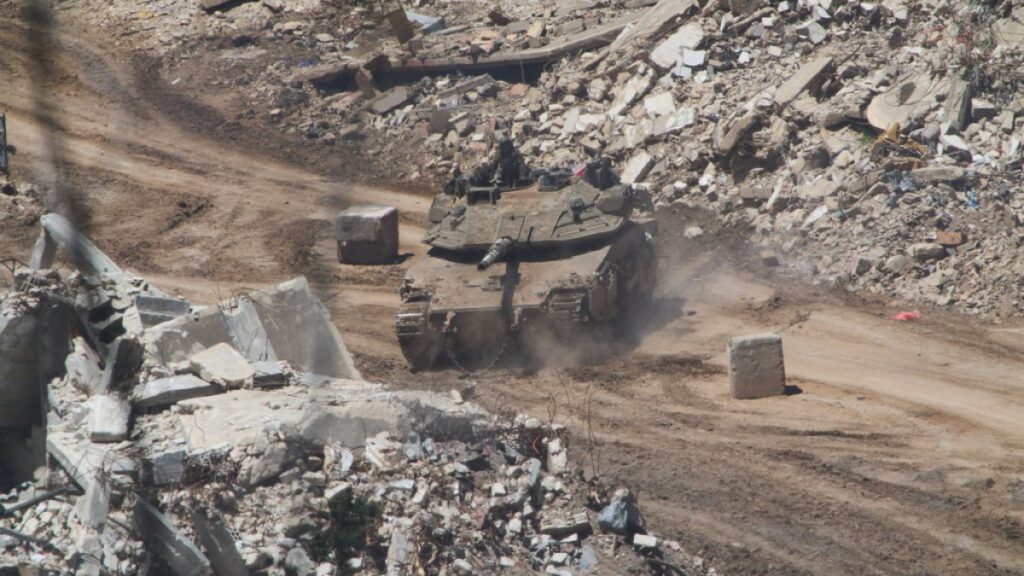
A group of 12 Democratic US senators has raised serious concerns regarding the United States military’s potential involvement in Israel’s operations displacing populations in Lebanon. In a recent letter addressed to the commander of the United States Central Command (CENTCOM), the senators highlighted troubling developments about the establishment of so-called “mass evacuation zones” by Israel, a measure that has prompted fears of large-scale displacement and humanitarian impacts on Lebanese civilians.
The letter emphasizes the need for transparency and accountability, seeking clarity on the extent to which the US military may be facilitating or indirectly supporting Israeli military strategies that contribute to civilian displacement. The senators specifically questioned the legality and ethical implications of such actions under international law and called for a clear explanation from CENTCOM regarding any operational support to Israeli forces in the context of these evacuation zones.
This unprecedented inquiry signifies a growing scrutiny within the US government over its role in Middle Eastern conflicts, especially in light of Israel’s recent military campaigns in Lebanon. The “mass evacuation zones” reportedly involve the forced removal of inhabitants from targeted areas, a tactic which critics argue could exacerbate humanitarian crises and destabilize the region further.
The senators’ letter underscores concerns that the US, through CENTCOM, may be complicit in actions that violate human rights and international norms. They urged the military commander to provide detailed information on the nature and scope of US involvement, including intelligence sharing, logistical support, and any direct or indirect assistance to Israel’s operations that facilitate displacement.
Observers see this move as part of a broader debate on American foreign policy in the Middle East, particularly in terms of balancing support for Israel’s security with adherence to international humanitarian principles. The inquiry also reflects domestic pressures on lawmakers to ensure that US resources and capabilities are not used in ways that undermine peace and stability.
The senators also called for a reevaluation of US military cooperation with Israel in the context of Lebanon, advocating for policies that prioritize the protection of civilians and respect for sovereign territories. The letter requests public disclosure of CENTCOM’s findings to foster accountability and inform the ongoing discussions on military engagement and foreign aid.
Critics of the displacement campaign argue that such forced evacuations may constitute violations of international humanitarian law, including prohibitions against forced population transfers and collective punishment. Human rights organizations have repeatedly condemned actions that lead to civilian suffering and displacement, urging all parties, including international actors, to uphold legal and ethical standards.
The US Senate’s intervention in this matter places heightened attention on the military’s role in ongoing conflicts and its compliance with both domestic and international legal frameworks. As tensions remain high in the region, the outcomes of this inquiry may influence future US policy decisions and military collaborations.
In conclusion, the senators’ letter to CENTCOM represents a critical step in demanding accountability and ethical conduct in military operations connected to Israel’s campaign in Lebanon. The call for transparency and reassessment of US involvement highlights the complexities and responsibilities inherent in international military support amid volatile geopolitical landscapes. Continued vigilance and dialogue will be essential to ensure that actions taken do not contribute to further displacement or harm to civilian populations.