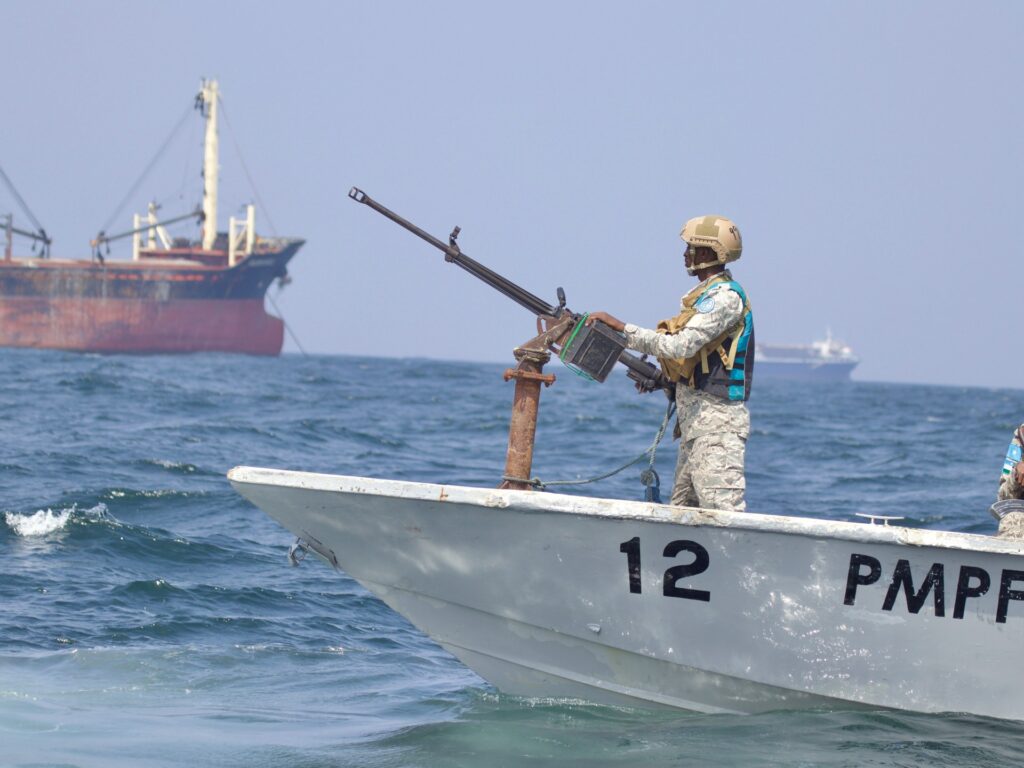
In a recent development in the ongoing maritime piracy issues off the coast of Somalia, Somali pirates have abandoned the hijacked UAE dhow named Fahad-4. The incident marks a significant turn in the series of piracy-related activities in the region.
The Fahad-4, laden with a cargo of lemons, was seized by pirates in late April. Since its hijacking, the vessel has been strategically used as a mothership by the pirates to launch attacks on other ships, enabling them to extend their reach and impact across the busy shipping lanes.
However, faced with dwindling supplies onboard, the pirates were forced to relinquish control of the dhow. The lack of essential resources such as food, water, and fuel has made it increasingly difficult for the hijackers to maintain their hold over the vessel and continue their piracy operations effectively.
The abandonment of Fahad-4 underscores the ongoing challenges faced by pirates in sustaining prolonged control over hijacked vessels, especially when operating far from their bases without adequate logistical support.
Maritime security experts highlight that while the pirates’ use of mother ships like Fahad-4 enhances their operational capabilities, it also exposes them to vulnerabilities such as supply shortages and increased risk of interception by naval forces.
The Somali piracy issue has long been a significant threat to international shipping, with hijackings often resulting in substantial financial losses and threats to the safety of crew members. The abandonment of Fahad-4 may indicate a temporary setback for piracy activities but does not diminish the need for continued vigilance and security measures in the region.
International naval coalitions and maritime organizations continue to monitor and respond to piracy threats, deploying resources to safeguard commercial vessels and deter pirate attacks.
This incident also brings attention to the importance of coordinated international efforts in combating piracy, including intelligence sharing, patrolling, and supporting affected coastal communities to address the root causes of piracy.
As the Fahad-4 is reclaimed, efforts will likely focus on ensuring the safety of the vessel’s crew and cargo, as well as investigating the extent of damage or losses incurred during the hijacking period.
In conclusion, the abandonment of the lemon-laden dhow Fahad-4 by Somali pirates due to diminishing supplies highlights both the tactical challenges faced by the pirates and the ongoing complexities of maintaining maritime security in one of the world’s most piracy-prone regions.