Israeli politician Itamar Ben-Gvir has sparked intense controversy after posting a video on TikTok where he claims to “dream” of nooses, a gesture interpreted as endorsing the death penalty for Palestinian detainees. The provocative content has ignited widespread debate and condemnation from various communities and human rights groups.
Ben-Gvir, known for his hardline stance and far-right political views, often employs provocative rhetoric regarding Palestinian issues. His latest social media post appears to endorse capital punishment for Palestinians detained by Israeli authorities, a practice which remains highly contentious both within Israel and internationally.
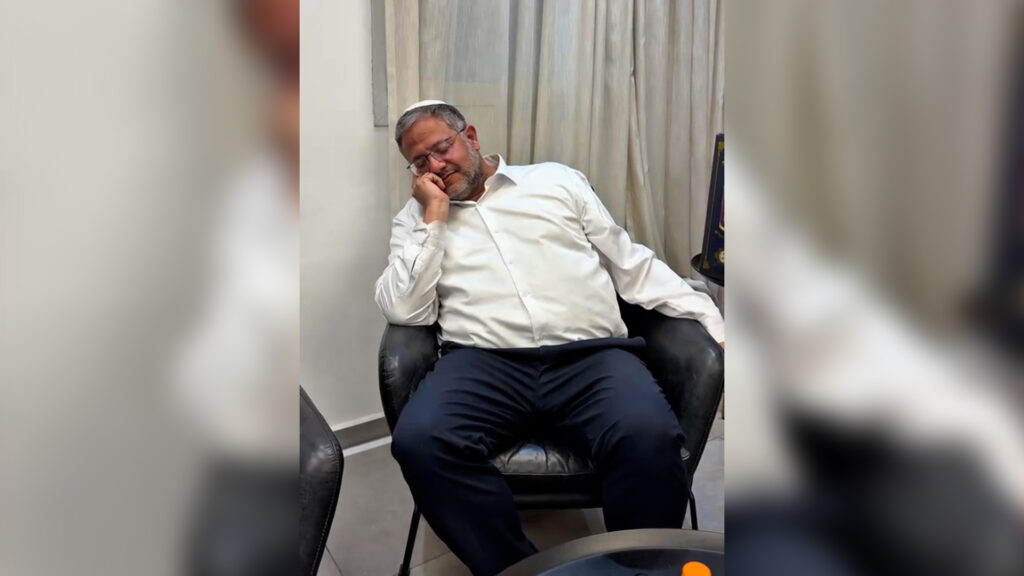
The video shows Ben-Gvir in a casual setting, speaking directly to the camera, claiming he envisions nooses. The symbolic reference of the noose is strong, historically associated with execution by hanging, signaling a call for the harshest punishments.
Human rights organizations quickly reacted, condemning the video as inflammatory and inciting violence. They argue that such statements exacerbate tensions and undermine efforts toward peaceful resolution and justice. Many argue that calls for the death penalty violate international human rights laws and norms, particularly in the context of prolonged conflict in the region.
Political analysts point out that Ben-Gvir’s video may be intended to appeal to his base who support rigorous punitive measures against Palestinians accused of terrorism or other offenses, reinforcing his image as a staunch nationalist and security hardliner.
The video also raises concerns about the use of social media by politicians to disseminate messages that could incite violence or hatred. TikTok, a platform widely used by younger audiences, now faces scrutiny over how such content is moderated and the potential societal impact.
Israeli officials have yet to comment officially on the video. However, the incident adds to ongoing debates within Israel about the limits of free speech, the role of elected officials in maintaining societal cohesion, and the acceptability of harsh punishments.
Palestinian representatives condemned the post, describing it as a dangerous provocation that fuels hatred and could incite further violence. Many international observers are calling for restraint and urging Israeli leaders to prioritize de-escalation and dialogue.
This latest incident is set against the backdrop of rising tensions in the region, with increased violence, detentions, and controversial legal measures exacerbating an already volatile situation. It highlights the challenges faced by both Israelis and Palestinians in achieving peace and justice amid entrenched political and ideological divides.
The posting of such a video brings into focus the powerful role social media plays in modern political discourse, where provocative content can quickly catalyze controversy and impact real-world politics and communal relations.
In effect, Ben-Gvir’s TikTok post is more than just a personal expression; it is a flashpoint illustration of the complex, fraught issues surrounding justice, punishment, and human rights in one of the world’s most enduring conflicts.