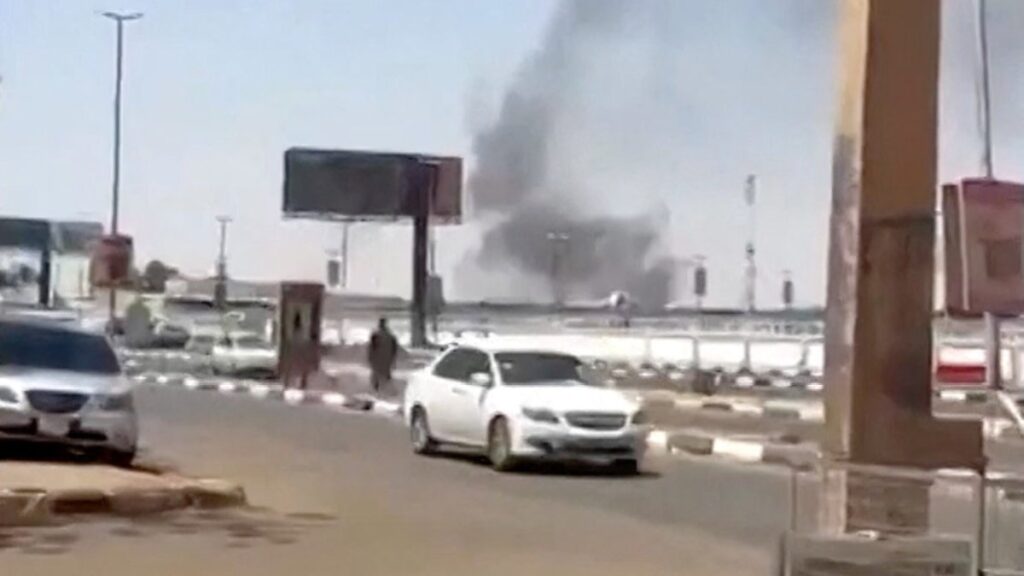
Sudan has recently accused Ethiopia and the United Arab Emirates (UAE) of being behind a series of drone attacks that have shattered the fragile calm following years of civil unrest in the region. These developments have escalated tensions significantly, prompting Sudan to recall its ambassador from Addis Ababa, the Ethiopian capital, as a strong diplomatic protest.
The drone attacks have caused security concerns in Sudan, a country grappling with instability and the aftermath of prolonged civil wars. For years, Sudan had begun to stabilize, but these recent attacks have heightened fears of renewed violence and cross-border hostility. The utilization of drones in these conflicts marks a troubling escalation in the tactics employed, introducing new challenges for regional security.
Sudanese officials have pointed fingers specifically at Ethiopia and the UAE, alleging that the drones used in the attacks were supplied or supported by these nations. This accusation highlights the complex geopolitical dynamics in the Horn of Africa and the broader region, where alliances and enmities often intersect with proxy conflicts.
The recall of Sudan’s ambassador to Addis Ababa sends a clear message of condemnation and demands an explanation from Ethiopian authorities. Diplomatic recalls are a significant step in international relations, signaling serious displeasure and the potential for further diplomatic isolation or sanctions if grievances are not addressed.
Ethiopia, meanwhile, has not publicly confirmed involvement in the drone attacks, and the UAE has generally remained silent on the allegations. The lack of clear responses from the accused parties leaves the situation open to further speculation and uncertainty.
International observers have expressed concern over the drone incidents, urging restraint and dialogue to avoid an escalation that could destabilize the already fragile peace in the Horn of Africa. The region is of great strategic importance due to its location and resources, making stability crucial not just for regional actors but for global interests as well.
The recent drone attacks serve as a reminder of the lingering volatility in border areas between Sudan and Ethiopia. Tensions over territorial disputes, political disagreements, and ethnic conflicts have long plagued relations between the two countries, and the involvement of external actors like the UAE further complicates the geopolitical landscape.
In response to the attacks, Sudan has promised to enhance its military readiness to protect its sovereignty and prevent any further incursions. This military posture may lead to an arms buildup and increased militarization of the border areas, raising concerns among neighboring states.
Human rights organizations and civil society in Sudan have called for calm and peaceful resolution, warning that renewed conflict could cause severe humanitarian consequences, including displacement, loss of life, and disruption of livelihoods.
The international community is being urged to step up diplomatic efforts to mediate between Sudan, Ethiopia, and the UAE to prevent further escalation. Regional organizations such as the African Union, as well as global powers, have a vested interest in promoting dialogue and maintaining peace in this strategically critical region.
As the situation develops, monitoring of the drone attacks and their implications will be crucial. The incident underlines the increasing role of advanced technology in modern conflicts and the need for updated international frameworks to manage such threats.
Sudan’s move to recall its ambassador is a decisive diplomatic action that highlights the seriousness of the accusations and the urgent need for transparent investigations. How Ethiopia and the UAE respond in the coming days will significantly impact future relations and stability in the Horn of Africa.
In summary, the recent drone attacks blamed on Ethiopia and the UAE have shattered the fragile calm in Sudan, reviving fears of conflict and instability. Sudan’s diplomatic retaliation by recalling its ambassador marks an intensification of the crisis. The complex interplay of local disputes and international involvement underscores the necessity for urgent diplomatic engagement and conflict resolution mechanisms to safeguard peace in a tumultuous region.