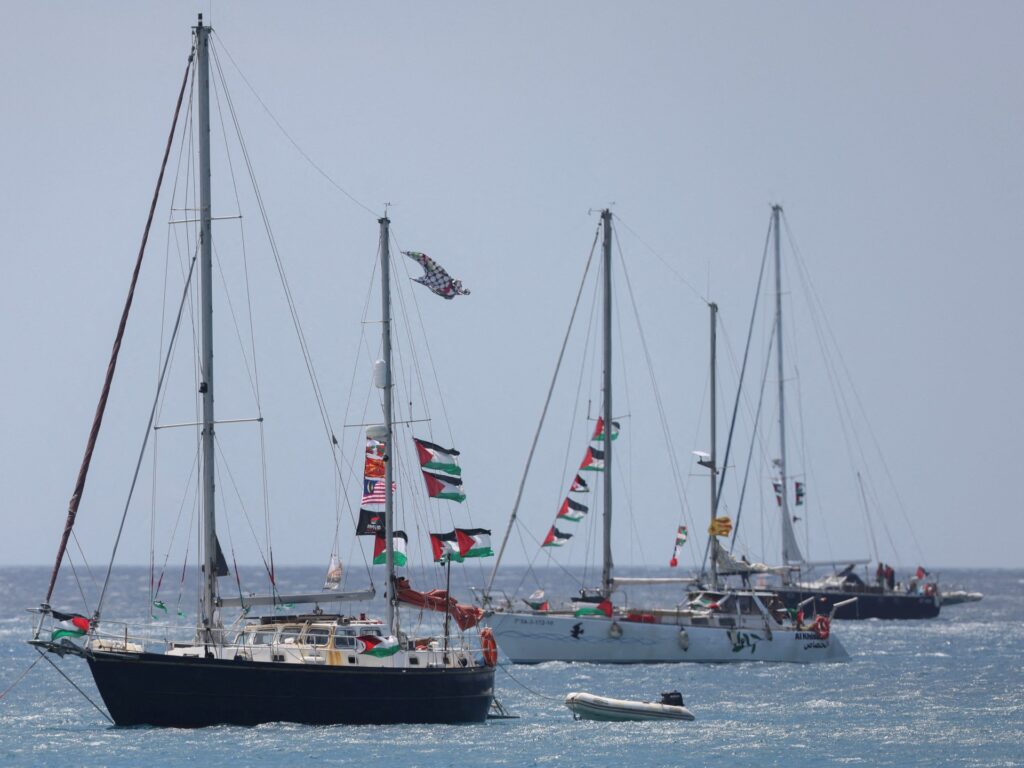
Israel has extended the detention of two activists involved in the Gaza flotilla, according to their lawyers. The activists, who were part of a flotilla that sought to challenge the blockade of Gaza, remain held by Israeli authorities despite growing concerns over their legal status and treatment. Their legal representatives have announced plans to appeal the decision to prolong their detention, condemning it as an example of ‘the state’s lawlessness’. The activists’ detention has raised serious questions about the application of international law and human rights in the context of Israel’s blockade and security measures. The flotilla, intended to bring humanitarian aid and international attention to the situation in Gaza, was intercepted by Israeli forces, leading to multiple detentions. Legal experts argue that extended detention without formal charges undermines basic legal protections and due process rights. The lawyers emphasized that the extension sets a troubling precedent for the handling of political activists and humanitarian workers. They are demanding immediate release and fair treatment under law for their clients. Israeli officials contend that detention measures are necessary for security reasons, citing potential risks posed by participants in the flotilla. However, critics argue that such security claims are used to justify excessive and indefinite detention. The case has attracted significant international attention, with various human rights organizations calling for transparency and adherence to legal standards. The activists’ plight highlights ongoing tensions between Israel’s security policies and international advocacy efforts to alleviate the humanitarian crisis in Gaza. The legal appeals aim to challenge the detention on grounds of legality and human rights violations, seeking judicial review of the state’s decisions. This development is part of a broader contentious debate over Israel’s policies in Gaza and the treatment of activists who seek to challenge the status quo. The outcome of the appeal could have important implications for future interactions between Israel and international activist groups. Meanwhile, the activists continue to be held under conditions that their lawyers describe as punitive and unjustified. The situation underscores the complexities of navigating security, humanitarian concerns, and legal rights in a deeply contested geopolitical environment. Observers note that extended detentions without clear legal basis may exacerbate tensions and undermine prospects for dialogue and resolution. The case remains a focal point for discussions on the balance between national security and human rights obligations. It also sheds light on the legal frameworks governing maritime activism and border enforcement in conflict zones. The international community watches closely as legal battles unfold, reflecting broader concerns about the rule of law and respect for civil liberties. Advocacy groups call on Israel to uphold international legal standards and ensure fair treatment for all detained individuals. This case exemplifies the challenges faced by activists engaging in politically sensitive actions aimed at drawing global attention to pressing humanitarian issues. As the appeal process advances, further legal scrutiny and public debate are anticipated, potentially influencing policy and operational decisions in the region. The unfolding events continue to resonate beyond the immediate participants, highlighting the intersection of law, activism, and state power in contemporary conflicts.