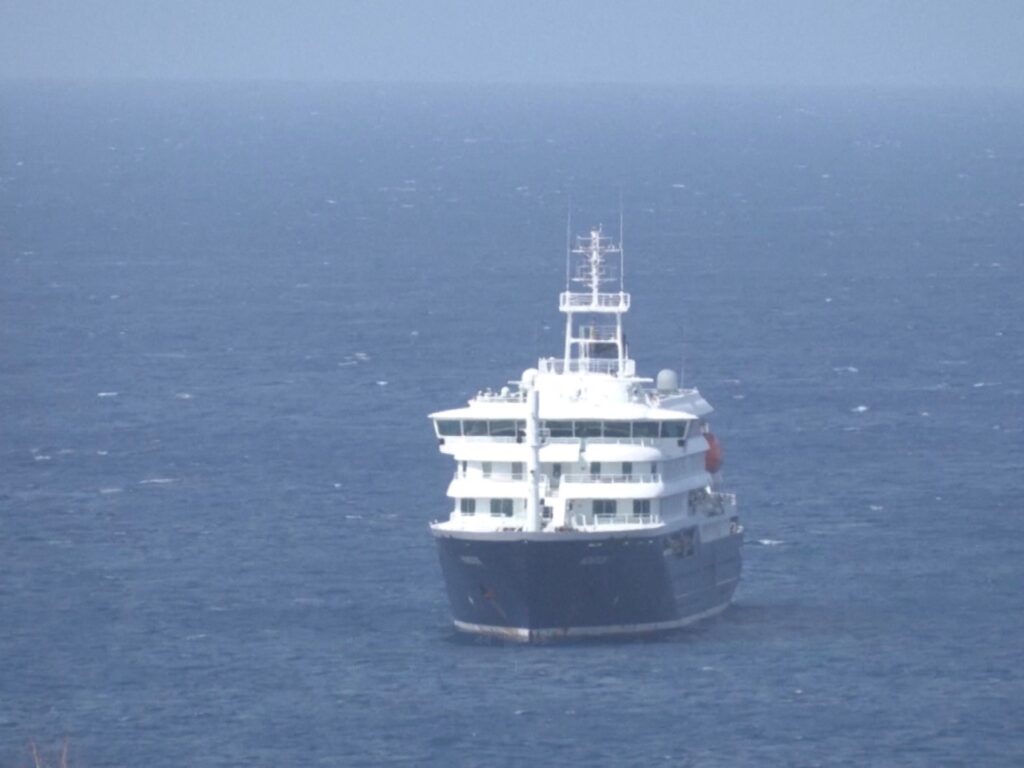
Health authorities have confirmed a hantavirus outbreak onboard a stranded cruise ship, with two confirmed cases and an additional five suspected cases reported. The World Health Organization (WHO) has provided the latest update on the situation, revealing that among the seven individuals affected, three people have tragically died, one remains critically ill, and three others are experiencing mild symptoms.
The cruise ship, currently stranded at sea, became the center of concern after passengers started presenting symptoms consistent with hantavirus infection. Health officials responded promptly to test and isolate suspected cases to prevent further spread. Hantavirus is a rare but serious respiratory disease typically transmitted to humans through contact with rodent droppings, urine, or saliva. Symptoms can range from mild to severe, including fever, muscle aches, and respiratory distress.
This outbreak highlights the challenges of managing infectious diseases in confined environments such as cruise ships, where close quarters can facilitate rapid transmission. The WHO is coordinating with local health authorities to provide medical support and conduct thorough investigations to determine the source of the virus onboard.
The critical condition of one patient underscores the severity hantavirus can have, and the deaths recorded represent a significant loss amid this outbreak. All passengers and crew members are being monitored closely, and health officials urge anyone with symptoms such as fever, coughing, or shortness of breath to seek medical attention immediately.
Authorities are also implementing strict sanitation and rodent control measures on the cruise ship. The incident serves as a reminder of the vital importance of maintaining rigorous hygiene standards in travel and tourism settings to minimize exposure to zoonotic diseases.
Public health experts continue to study the outbreak to improve understanding and prevention strategies. Meanwhile, the global health community remains vigilant to the risks posed by hantaviruses, which have sporadically caused outbreaks in various parts of the world.
Families of the affected individuals have been informed, and support services are being offered to those impacted. The cruise company involved has expressed condolences and is cooperating fully with health authorities.
This situation is evolving, and further updates can be expected as investigations continue and more information becomes available. The WHO is urging cruise operators and travelers worldwide to remain alert to symptoms and practice preventative measures against hantavirus and other infectious diseases.
This incident underscores the ongoing need for vigilance in monitoring emerging infectious diseases on global transportation networks, particularly those involving enclosed and densely populated spaces.