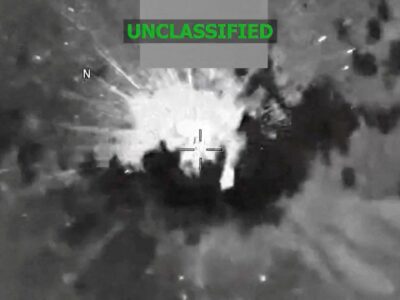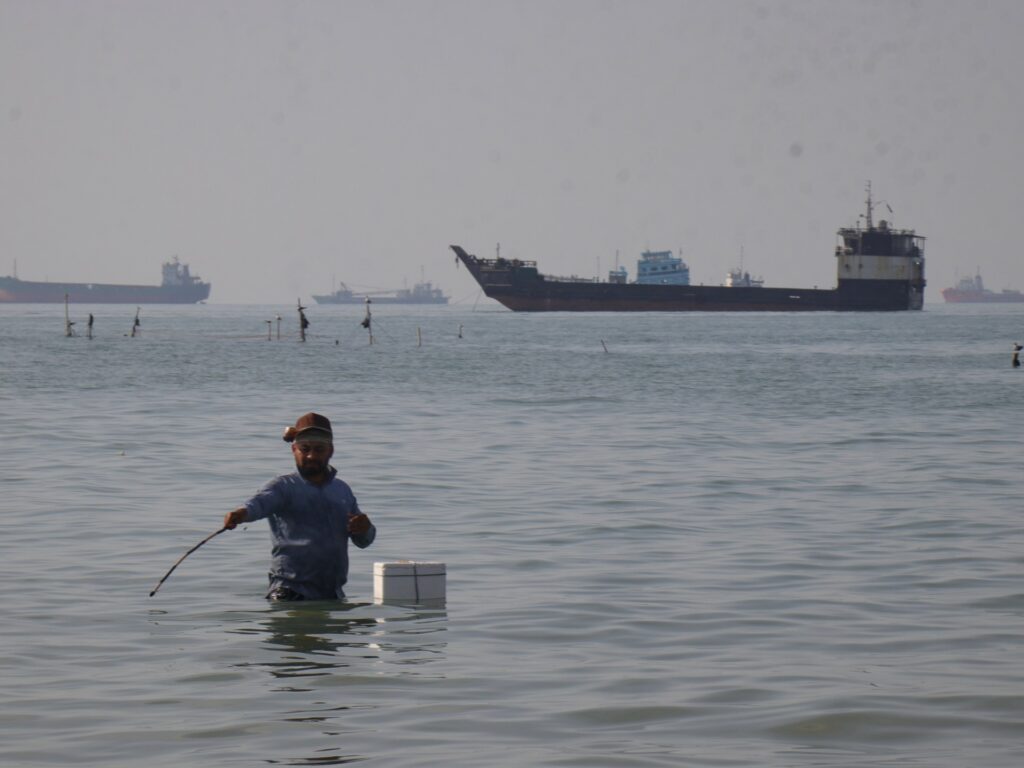
On Monday, a significant and grave incident occurred in the politically sensitive Strait of Hormuz, where the Iranian military accused the United States military of launching attacks on two passenger boats. According to statements from an Iranian commander, these attacks did not target vessels belonging to the Islamic Revolutionary Guard Corps (IRGC) as might have been initially assumed but rather hit civilian passenger boats.
The commander detailed that five civilians were killed in these attacks, escalating tensions and raising serious concerns about the safety of maritime navigation in this strategically and economically vital waterway. The Strait of Hormuz, which is a critical shipping route for global oil supplies, has frequently been a focal point for geopolitical tensions between Iran and the United States.
This event is especially sensitive given the history of confrontations in the region, where numerous incidents have involved IRGC vessels clashing with United States naval forces. However, this latest accusation highlights a shift or an error in targeting that has resulted in civilian casualties, which aggravates the situation further.
Iran’s announcement comes amid heightened friction between Tehran and Washington, often marked by sanctions, military posturing, and diplomatic standoffs. The death of five civilians has likely intensified calls within Iran and the international community for a thorough investigation into the attacks and for measures to prevent a repeat of such incidents.
Maritime experts note that passenger boats are generally considered non-combatant vessels and are protected under international law. The attack, as reported by Iran, thus could violate principles aimed at protecting civilians during military engagements.
Response from the United States military or government officials regarding these specific attacks had not been thoroughly detailed immediately following the announcement, leaving questions about the context and justification for the alleged strikes.
The incident underscores the ongoing volatility in the Strait of Hormuz region, where international maritime operations must navigate complex political and military dynamics. It also raises critical humanitarian concerns related to civilian safety in conflict zones.
Observers and analysts are calling for increased dialogue and cooperation between involved parties to de-escalate tensions and safeguard lives while maintaining the security of critical maritime routes.
This escalating situation is a reminder of the broader geopolitical challenges in the Persian Gulf and the risks posed by military actions near civilian objects in a region that is vital to global energy supplies and international commerce.