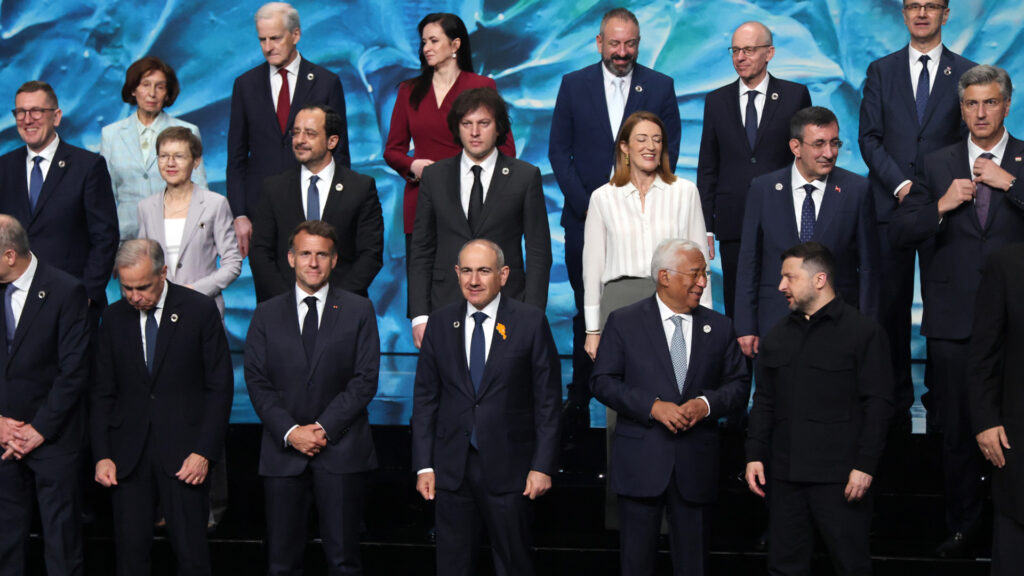
In a significant geopolitical development, Armenia recently hosted two major summits involving European Union leaders, a move signaling the country’s strategic pivot away from its traditional ties with Russia. These summits brought together key European leaders to discuss pressing issues including security, trade, and the ongoing war in Ukraine.
The decision to hold these summits in Armenia marks a notable shift in the regional balance of power and diplomatic alignments. Historically, Armenia has maintained close relations with Russia, especially in terms of security and economic dependency. However, the increasing instability in the region, exacerbated by the war in Ukraine, has prompted Armenia to reconsider its alliances and seek stronger ties with the European Union.
At the summits, discussions were heavily centered on enhancing regional security amid escalating conflicts and geopolitical tensions. European leaders emphasized the importance of supporting Armenia’s sovereignty and territorial integrity, reassuring their commitment to regional stability.
Trade was another significant topic of discussion. Armenia expressed a strong desire to deepen economic integration with the EU, looking to diversify its trade partnerships beyond Russia and the Eurasian Economic Union. Agreements and frameworks to boost bilateral trade, investment, and infrastructure development were highlighted as key outputs of the summits.
The war in Ukraine also featured prominently in the talks, with EU leaders underscoring the necessity of a coordinated response to the conflict. Armenia’s geographical proximity to the conflict zone and its complicated historical ties require a delicate diplomatic balancing act, which was a major point of contention and cooperation during the meetings.
These summits serve not only as a platform for diplomatic dialogue but also as a signal of Armenia’s intent to carve a new path amid shifting global alliances. Analysts suggest that this move could pave the way for greater EU influence in the South Caucasus, offering Armenia more diverse economic and security options.
In conclusion, by hosting these pivotal EU summits, Armenia is stepping onto a broader international stage, signaling a potential realignment in regional politics. The outcomes of these talks may have lasting implications for Armenia, the EU, and the balance of power in the South Caucasus region as tensions involving Russia continue to simmer.