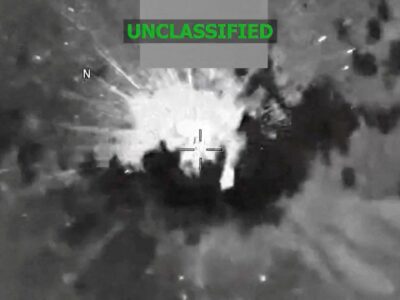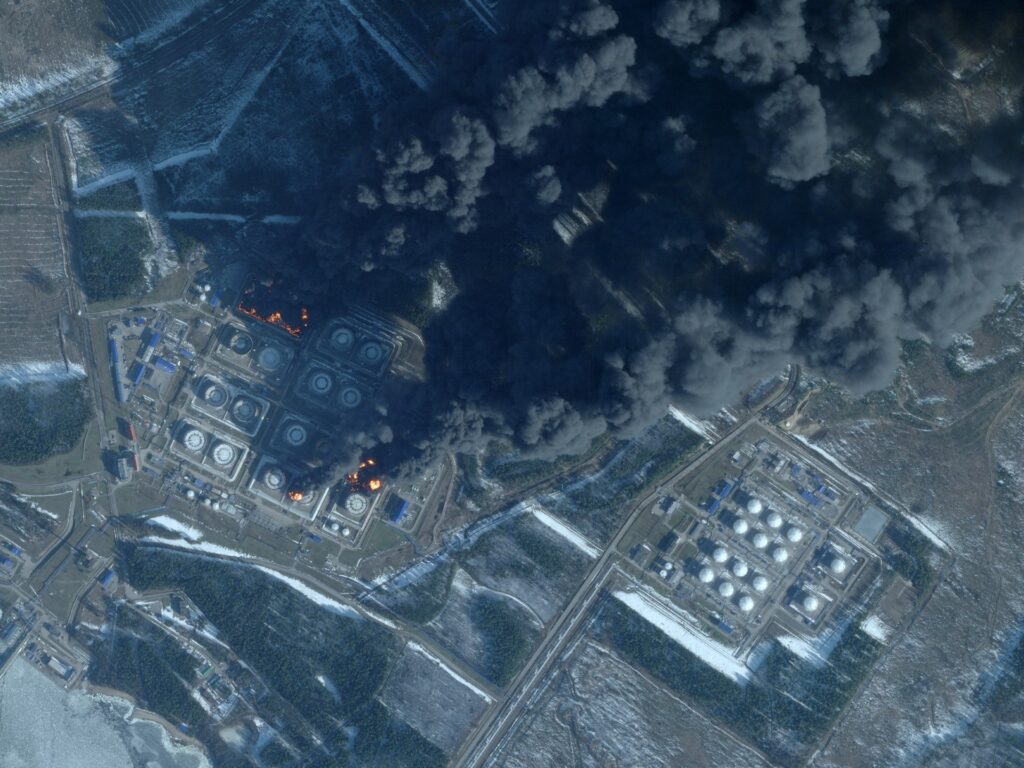
In a significant escalation of the ongoing conflict, Ukraine has conducted drone attacks targeting a nuclear power plant in Russian territory, as well as a major Baltic port. These strikes represent a bold move by Ukraine and have further intensified the already volatile situation between the two nations.
President Volodymyr Zelenskyy hailed the operation as a “successful destruction” of critical infrastructure at the Baltic port, underscoring Ukraine’s intent to challenge Russia’s strategic assets. Zelenskyy emphasized that these attacks were carefully planned and executed, aiming to weaken Russia’s logistical capabilities and economic interests abroad.
The nuclear power plant attack has raised international concerns about potential safety risks, although Ukrainian officials have stated that the strikes were precise and aimed at infrastructure, not the reactors themselves. Experts are closely monitoring the plant to ensure no environmental or humanitarian disaster unfolds as a result.
The Baltic port targeted by the drones is a crucial hub for Russian maritime activities, playing a significant role in trade and military logistics. Its destruction is expected to disrupt supply chains and impact Russia’s operations in the region. This port facility was also linked to oil exports, a factor that has prompted Russian officials to issue warnings about potential rises in global oil prices as a consequence.
Russia’s government condemned the attacks and warned of retaliatory measures. Kremlin spokespersons expressed that these aggressive acts are unacceptable provocations that risk escalating the conflict further. The Russian military has vowed to enhance its air defense systems to prevent similar future attacks.
International reactions have been mixed. Some Western nations have expressed support for Ukraine’s right to defend its sovereignty, while urging restraint to avoid inadvertent escalation. Others have called for urgent diplomatic efforts to deescalate tensions, especially given the dangerous nature of targeting nuclear facilities.
Economic analysts are already assessing the impact on global markets, particularly the energy sector, due to the projected instability in oil supplies. Increased oil prices could have a ripple effect on inflation and economic recovery worldwide.
This latest development marks a troubling chapter in the Russia-Ukraine conflict, illustrating the broadening scope of military engagements beyond conventional battlefields. The involvement of critical infrastructure such as nuclear power plants and major ports raises the stakes not only for the countries directly involved but for regional and international security as a whole.
As the situation evolves, attention remains focused on diplomatic channels, military responses, and the humanitarian implications of the conflict. The international community is urged to maintain vigilance and work toward a peaceful resolution to prevent further destruction and loss of life.
In summary, Ukraine’s recent drone strikes on a Russian nuclear power plant and a key Baltic port have heightened tensions and global concerns. With President Zelenskyy praising the successes, and Russia warning of consequences, the conflict’s trajectory appears increasingly unpredictable and precarious for all parties involved.