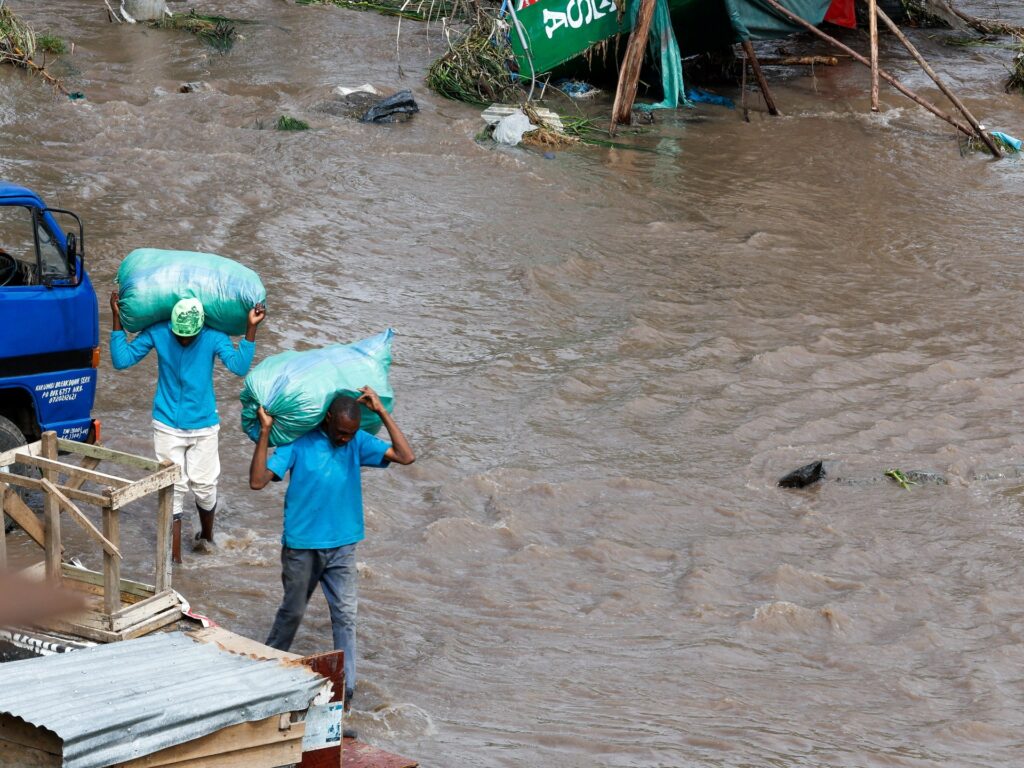
Kenya is currently facing a severe weather crisis as ongoing heavy rains have triggered devastating floods and landslides, killing at least 18 people. The East African nation has been grappling with relentless downpours that have overwhelmed rivers and drainage systems, leading to catastrophic flooding in various regions.
The affected areas have seen homes and infrastructure destroyed, displacing thousands of residents and disrupting daily life. Rescue operations are underway, but the scale of the disaster has posed significant challenges to emergency responders.
Authorities have issued warnings for more rainfall, raising fears of further landslides and flooding. They are urging citizens to take necessary precautions and evacuate from high-risk zones to minimize casualties.
This disaster highlights the vulnerability of Kenya to climate-related hazards due to its varied topography and seasonal weather patterns. The government, along with local and international aid organizations, is working to provide relief supplies and support to affected communities.
Health concerns are also mounting as waterborne diseases tend to surge in the aftermath of floods, putting additional strain on healthcare facilities already stretched thin by ongoing public health challenges.
The East African nation is also seeking long-term solutions to mitigate such disasters through improved infrastructure and enhanced early warning systems to better protect its population in the future.
Communities and local leaders have called for increased investment in flood defenses and land management programs aimed at preventing soil erosion and landslides.
As Kenya deals with these natural calamities, the resilience and solidarity of its people are evident. Relief efforts include temporary shelters, food distribution, and medical aid, all critical to stabilizing the situation.
The international community has expressed support, pledging assistance to help Kenya cope with the immediate needs and recover from the disaster.
This tragic event serves as a somber reminder of the impacts of changing weather patterns and the urgent need for environmental and disaster preparedness worldwide.
Authorities continue to monitor weather conditions closely and advise the public to stay informed and heed safety instructions to reduce risk.
The loss of lives is deeply felt, and condolences have been extended to the families of the victims. Efforts remain focused on saving lives and restoring normalcy as the nation faces the aftermath of these floods and landslides.