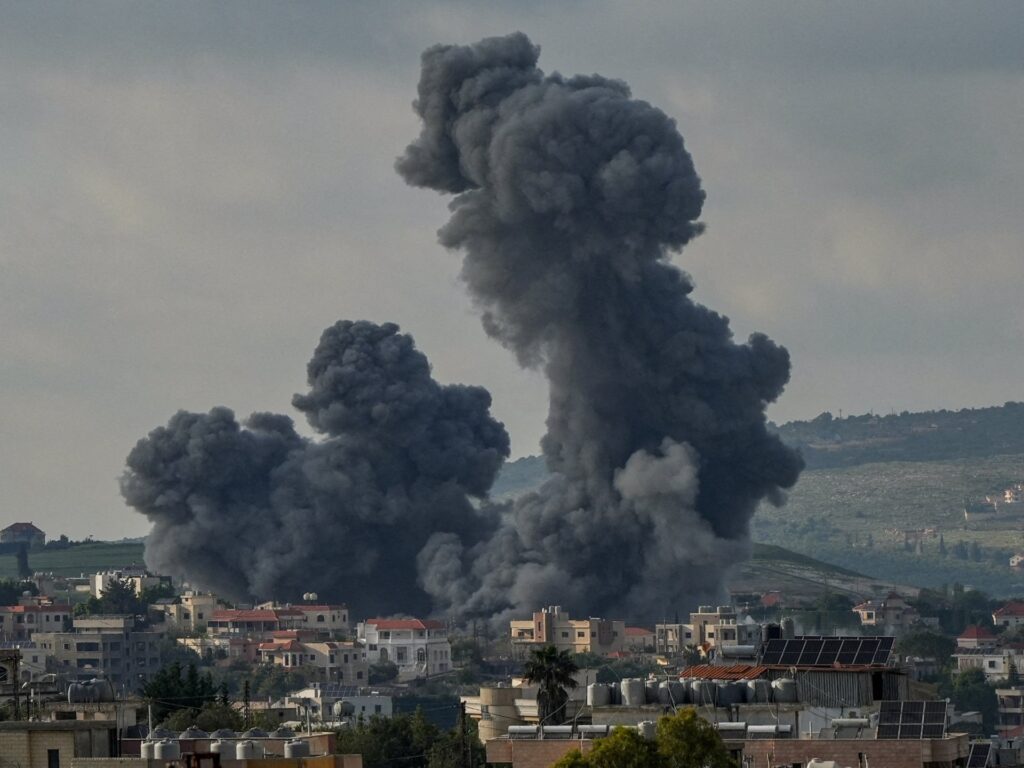
Israeli air strikes targeting southern Lebanon have resulted in the deaths of 10 people, escalating tensions in the region despite an ongoing ceasefire declared since April 17. Drones and planes conducted several attacks on various towns in southern Lebanon, areas known for Hezbollah activity. These strikes follow a period of relative calm but have brought immediate concerns over the fragility of the ceasefire and the possibility of renewed conflict.
The ceasefire, which was intended to halt hostilities between Israel and Hezbollah, has been tested by these recent air strikes. Israel has justified the attacks by citing the need to respond to threats and actions by Hezbollah, a powerful Shiite militant group and political party based in Lebanon. Despite the ceasefire agreement, Hezbollah has vowed to continue its retaliatory attacks against Israel, signaling that the conflict may escalate further.
Hezbollah’s pledge to persist in attacks reflects the complex dynamics of the region, where longstanding animosities and geopolitical interests make peace efforts precarious. The organization stated that the recent Israeli strikes would not deter its resistance activities but rather strengthen their resolve.
Communities in southern Lebanon have borne the brunt of this violence, with casualties and damage to infrastructure raising humanitarian concerns. Local officials have called for international intervention to uphold the ceasefire and prevent further loss of life.
The international community has expressed alarm over the renewed violence. Calls for restraint and renewed dialogue between Israel and Lebanon, including Hezbollah, have intensified. Analysts warn that without a sustained and enforced ceasefire, the region could face a broader conflict with significant repercussions for Middle Eastern stability.
This latest round of violence underscores the persistent volatility along the Israel-Lebanon border. The air strikes come within a sensitive political context where multiple actors, including regional powers and international stakeholders, are involved in seeking a long-term resolution to the conflict.
As the situation develops, the immediate priority remains the protection of civilians and the restoration of peace through diplomatic means. Continued monitoring and advocacy from global institutions are crucial to prevent further escalation and promote stability in southern Lebanon and the greater Middle East region.