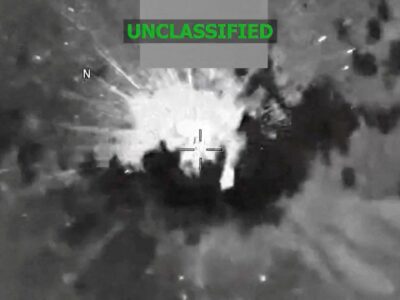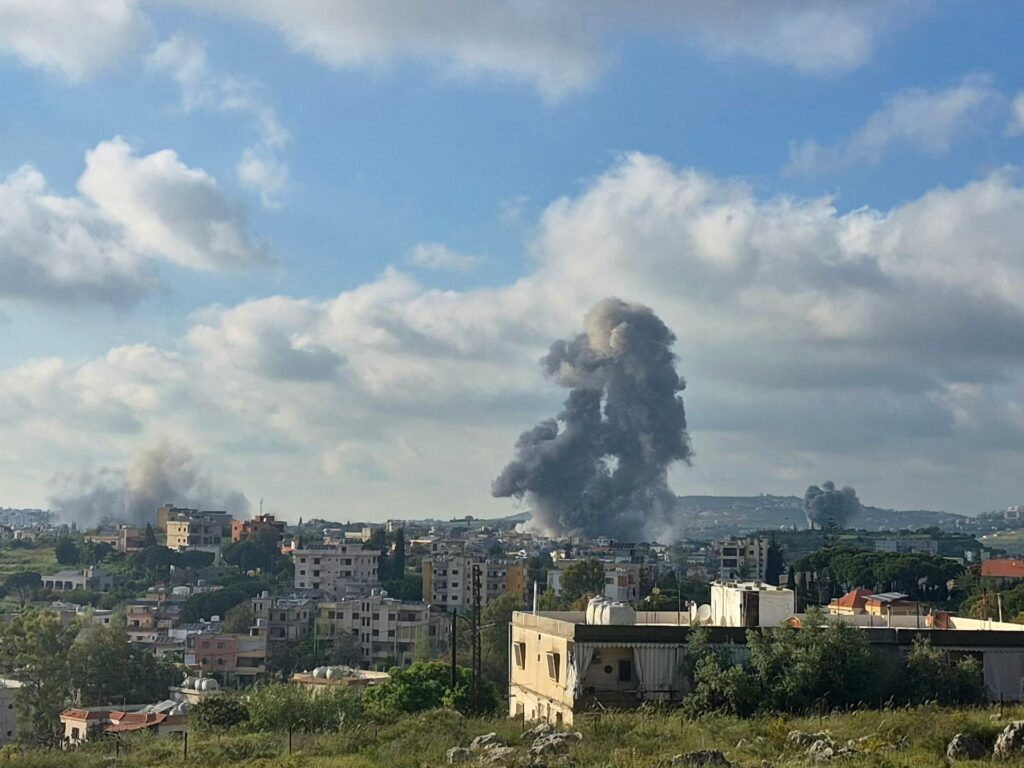
The latest wave of Israeli airstrikes on Lebanon has resulted in the deaths of at least 12 people, exacerbating the already dire situation in the region. These attacks come amidst ongoing hostilities between Israel and Lebanon, which have seen significant casualties and destruction since March 2. Despite reports of an ongoing ceasefire, violence continues unabated, highlighting the fragile and volatile nature of the conflict.
Since March 2, over 2,600 individuals have lost their lives due to Israel’s sustained strikes, underlining the high human cost of the conflict. The relentless attacks have targeted various locations in Lebanon, leading to widespread devastation and displacement among the civilian population. The international community has expressed deep concern over the rising death toll and the impact on innocent civilians caught in the crossfire.
The renewed violence marks a significant escalation in the long-standing tensions between Israel and its neighbors. The ceasefire, intended to halt hostilities and create space for diplomatic negotiations, has so far failed to prevent further loss of life. This raises questions about the effectiveness of current peace efforts and the challenges ahead in achieving a lasting resolution.
Witnesses on the ground report scenes of destruction and mourning, with families grappling with the loss of loved ones and the destruction of their homes. Emergency services are stretched thin as they respond to the increasing number of casualties and urgent humanitarian needs.
The conflict’s complexity is heightened by the involvement of multiple actors in the region, each with their own strategic interests and alliances. This has made diplomatic interventions more complicated and has contributed to the perpetuation of the cycle of violence.
Efforts by international organizations to broker peace and provide humanitarian assistance continue, but the situation remains precarious. Calls for an immediate and unconditional ceasefire have been echoed globally, emphasizing the need to protect civilian lives and restore stability.
As the death toll rises and the humanitarian crisis deepens, the international community faces mounting pressure to take decisive action. The continuation of Israeli strikes despite a declared ceasefire illustrates the significant barriers to peace and the urgent need for renewed diplomatic engagement.
This latest development in the Israel-Lebanon conflict serves as a stark reminder of the enduring instability in the region and the profound human suffering it engenders. Moving forward, the focus must be on de-escalation, dialogue, and the implementation of measures that safeguard human rights and promote lasting peace.
In summary, the recent Israeli airstrikes in Lebanon have killed at least 12 people, adding to the more than 2,600 deaths since March 2 amid an ongoing ceasefire. The conflict continues to pose a severe humanitarian crisis, with urgent calls for peace and international intervention to halt the violence and protect civilians.