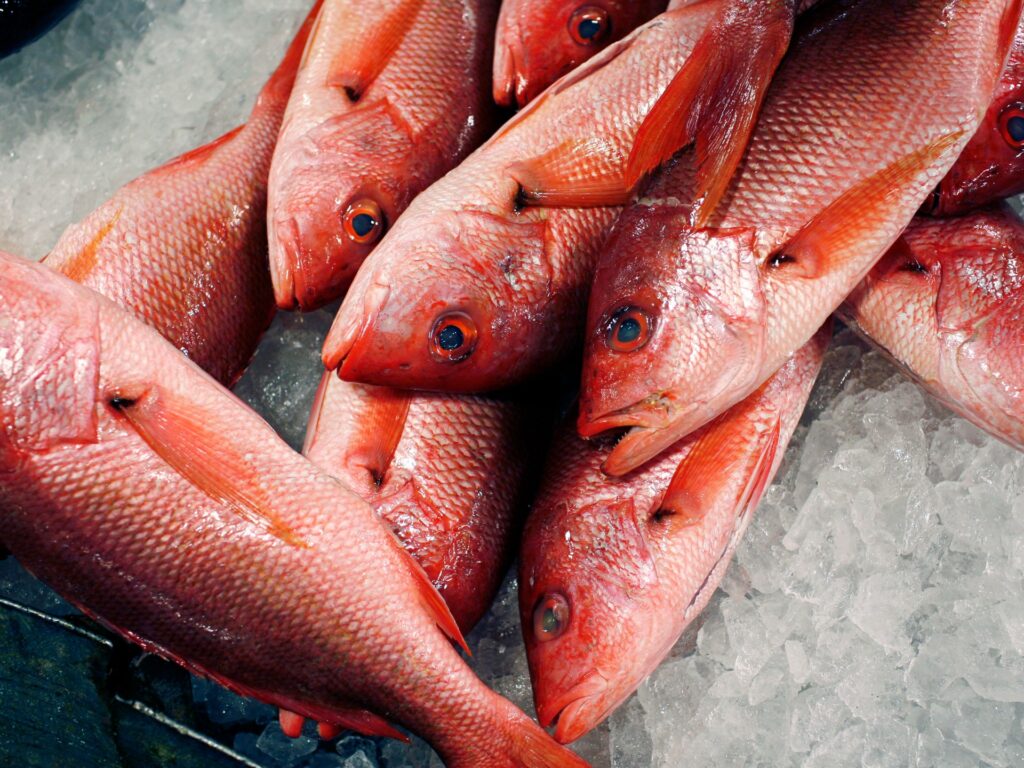
In a move that has sparked significant debate among environmentalists and fishing communities alike, former President Donald Trump has approved an expansion of red snapper fishing permits for anglers in Florida, Georgia, and the Carolinas. This decision effectively grants increased fishing control to local anglers, allowing greater access to the prized red snapper species in these southeastern U.S. coastal waters.
Red snapper is a highly sought-after fish, known for its firm texture and sweet flavor, making it a favorite among commercial and recreational fishermen. The species is found mainly in the Gulf of Mexico and along the southeastern Atlantic coast, where fishing regulations have been carefully crafted to prevent overfishing and sustain population levels.
Trump’s approval comes amid ongoing warnings from conservationists and marine biologists, who argue that expanding fishing quotas could severely impact red snapper populations, already under threat from overfishing. Critics emphasize that overharvesting red snapper can lead to population collapse, damaging ecosystems and affecting the economic stability of fishing industries in the long term.
Supporters of the permit expansion, however, highlight the benefits to local economies and the cultural significance of fishing in these regions. They claim that the permit increase will empower local anglers, enhance recreational fishing opportunities, and boost tourism revenue tied to sport fishing activities.
The permit changes specifically allow anglers in Florida, Georgia, and the Carolinas greater daily catch limits and extended fishing seasons for red snapper. This adjustment is intended to give fishermen more flexibility and the ability to capitalize on favorable fishing conditions.
Experts caution, however, that without strict oversight and adaptive management strategies, the increased fishing pressure could exacerbate stress on the red snapper populations. Scientific assessments of stock levels have indicated fluctuating recovery rates, underscoring the need for prudence in fishing regulations.
Environmental groups have called for more comprehensive studies and the implementation of sustainable fishing practices to ensure that red snapper populations remain viable for future generations. They argue that balancing economic interests with ecological preservation is critical to maintaining marine biodiversity.
The expanded permit program also raises questions about federal versus state control of fishing regulations. While the federal government traditionally oversees fishery management, state authorities have pushed for more localized control to better address regional ecosystem dynamics and community needs.
As the debate continues, stakeholders from commercial fishermen, recreational anglers, environmental advocates, and government officials are engaging in discussions to find common ground. Many agree on the importance of preserving red snapper stocks but differ on the means to achieve this goal.
In summary, Trump’s decision to expand red snapper fishing permits is a contentious development with far-reaching implications. It highlights the ongoing challenge of managing natural resources in a manner that balances ecological sustainability with economic growth and recreational enjoyment. The outcome of this policy shift will likely influence the future of Atlantic red snapper fisheries and the health of coastal marine ecosystems.