The United States has announced plans to withdraw approximately 5,000 troops from Germany, a move that has drawn significant attention amid rising tensions related to the conflict with Iran. This decision follows a series of disputes between President Donald Trump and European allies, particularly focusing on their reluctance to increase support for potential military actions against Iran.
President Trump has been vocal in his criticism of Germany and other European nations, accusing them of not contributing fairly to defense and burden-sharing efforts within NATO and in the broader international response to Iran. The planned troop reduction highlights the broader strategic recalibration by the US in response to what it perceives as insufficient cooperation from European partners.
The troop withdrawal is part of a larger reassessment of American military deployments across Europe and the world, reflecting a shift towards more unilateral US decision-making in foreign policy under the Trump administration. The move has triggered debates around the future of NATO and transatlantic security alliances, as well as the United States’ role in the Middle East.
Experts suggest this development could lead to increased instability in the region, as the US may focus more resources in and around the Middle East, while European countries might face challenges in maintaining their security commitments without direct US military support on European soil.
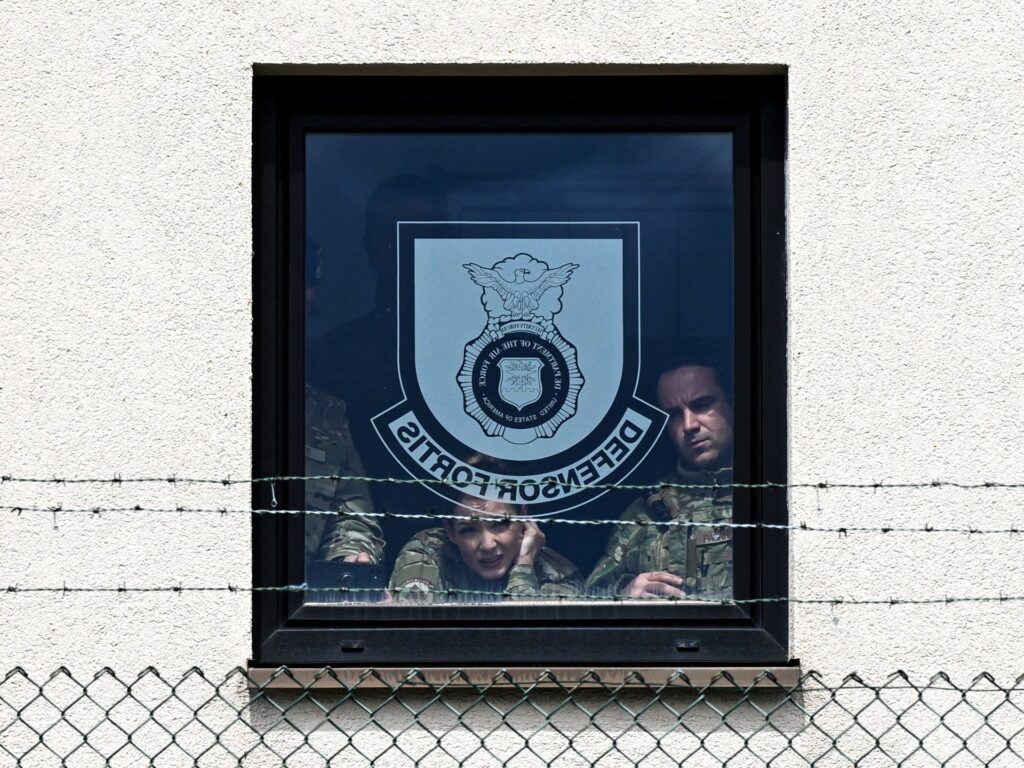
The US military presence in Germany has long been a cornerstone of NATO’s defense strategy in Europe, serving as a critical hub for operations and logistics. The withdrawal could impact not only military readiness but also diplomatic relations between the US and Germany.
European leaders have expressed concern that the reduction in troops could weaken the collective security framework and encourage adversaries, including Iran, to challenge the alliance more aggressively. Meanwhile, the Trump administration defends its stance, emphasizing the need for allies to increase their defense spending and contribute more substantially to shared security goals.
This troop withdrawal underscores the evolving dynamics of international relations under President Trump’s leadership, pointing to a more fragmented and complex geopolitical environment where traditional alliances are increasingly tested by national interests and policy disagreements. As the situation develops, global observers are watching closely to gauge how these changes may reshape future military collaborations and diplomatic efforts around the Iran conflict and beyond.