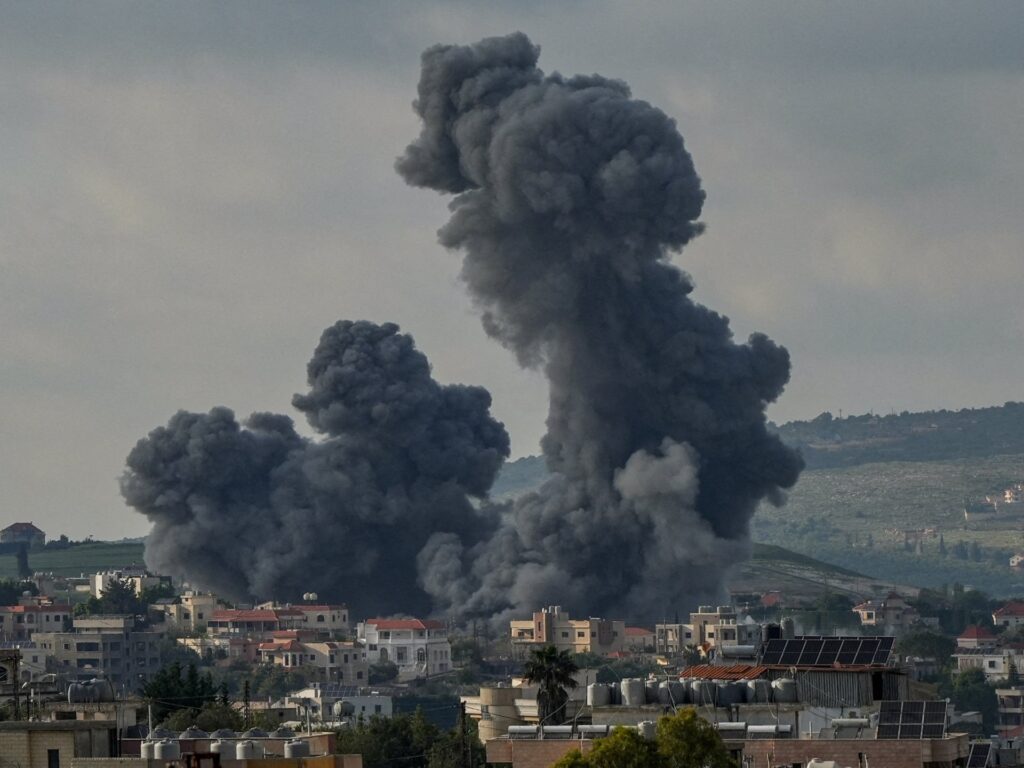
The prospect of renewed military conflict between Iran and the United States has intensified, with Iranian military officials signaling that a war with the US is ‘likely’ to restart soon. This alarming forecast comes amid ongoing diplomatic efforts that appear to be faltering.
Recently, Iran put forward a new peace proposal aimed at de-escalating tensions with the US. However, former President Donald Trump has publicly expressed strong dissatisfaction with the terms outlined in Iran’s proposal, stating that it contains demands ‘I can’t agree to.’ His rejection underscores the significant challenges that remain for peaceful resolution.
Iran’s military declaration about the likelihood of conflict resumption reflects a deepening sense of frustration and impatience on their side regarding the stalemated diplomatic negotiations. Officials have hinted that Tehran might adopt more aggressive postures unless their conditions for peace are better accommodated.
The failed diplomatic overtures come against a backdrop of long-standing hostilities and distrust between the two nations. The US has imposed stringent sanctions on Iran over its nuclear program and regional activities, while Iran accuses the US of unprovoked interference.
Analysts point out that both countries are currently trapped in a cycle of mistrust. Iran’s demands in the peace proposal reportedly include lifting of economic sanctions and recognition of its nuclear rights, which the US side finds unacceptable under current policy frameworks.
Meanwhile, Trump’s vocal criticism of the peace terms signals that even conservative factions in the US government remain skeptical of Iran’s intentions and are unwilling to make significant compromises.
The international community is watching closely as the risk of armed confrontation rises. Many nations and organizations have urged restraint and called for renewed negotiations to prevent a tragic escalation.
The United Nations has reiterated its calls for dialogue, emphasizing the high stakes involved for regional stability and global security.
This emerging crisis highlights the fragile state of diplomacy in the Middle East, where decades of conflict and mistrust complicate efforts for peace. The tense situation underscores the urgent need for breakthrough initiatives to bridge divides.
In summary, Iran’s military warnings combined with Trump’s rejection of the peace proposal paint a grim picture for US-Iran relations. While the hope for a peaceful resolution remains, the immediate outlook suggests that the possibility of an Iran-US military conflict reigniting is more pronounced than ever.