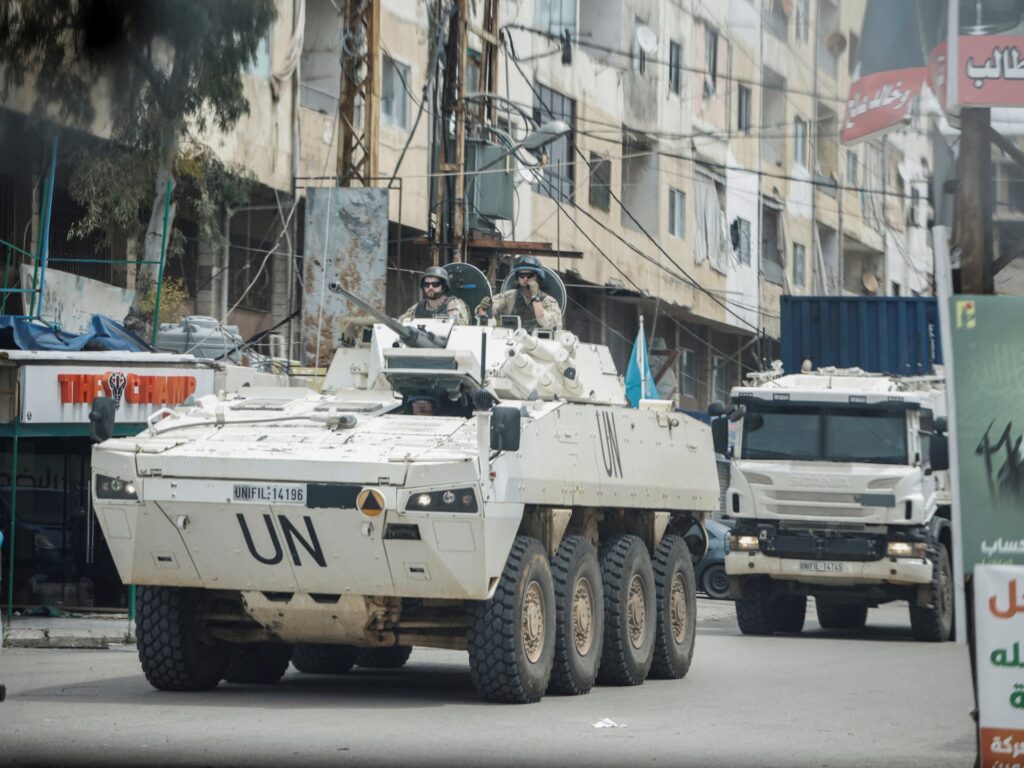
As the conflict between Israel and Hezbollah intensifies, China has called for the reversal of the United Nations Interim Force in Lebanon (UNIFIL) withdrawal from Lebanon. UNIFIL, tasked with maintaining peace and security along the Lebanon-Israel border, has increasingly faced casualties in recent weeks amid the escalation of fighting between the two sides.
The mission, which was established in 1978, plays a critical role in monitoring ceasefire agreements and supporting Lebanese sovereignty. However, ongoing hostilities have severely challenged its operations and safety.
China’s appeal highlights concerns that the departure of UNIFIL could lead to an even more volatile security situation in the region. The Chinese government emphasized the importance of international involvement to prevent a further deterioration of peace and to protect civilians caught in the crossfire.
The Israel-Hezbollah conflict has taken a heavy toll, with numerous casualties reported among combatants and civilians alike. As violence surges, UNIFIL personnel have been increasingly vulnerable, resulting in injuries and fatalities among peacekeepers who serve as a buffer between the warring parties.
The UNIFIL mandate includes monitoring ceasefire lines, facilitating humanitarian aid, and supporting Lebanese armed forces. Its presence has been a stabilizing factor in a region historically prone to conflict.
Experts warn that UNIFIL’s withdrawal could create a security vacuum, potentially leading to greater instability and renewed fighting. China’s stance aligns with a broader international call for renewed diplomacy and adherence to peace agreements.
Lebanon continues to face internal and external pressures, with the Israel-Hezbollah conflict exacerbating the fragile political and social landscape. International observers stress that any resolution requires sustained dialogue, respect for sovereignty, and strong peacekeeping efforts.
The call by China underscores the critical role of the United Nations and its peacekeeping missions in conflict zones. It also highlights the risks posed to peacekeepers on the ground amidst heightened hostilities.
The situation remains fluid, with global attention focused on developments in Lebanon and the broader Middle East as key players seek to prevent further escalation. The continuation of UNIFIL’s mission is viewed by many as essential to maintaining a tenuous peace and providing a foundation for future negotiations.
As casualties mount and tensions rise, the international community faces pressing decisions on how best to support peace and stability in Lebanon. China’s advocacy for UNIFIL’s continued presence is a significant marker in the ongoing efforts to manage a complex and dangerous conflict in the region.