The ongoing Nuclear Non-Proliferation Treaty (NPT) review conference is taking place amid heightened geopolitical tensions, particularly concerning the US and Israel’s posture towards Iran. Analysts express skepticism about the summit’s capacity to enforce compliance among nuclear-armed states, given existing conflicts and strategic interests.
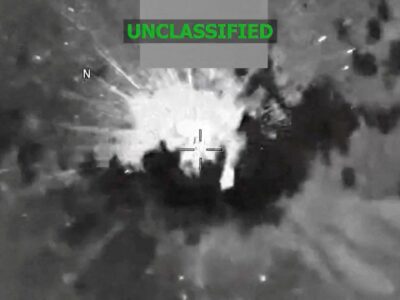
Since its inception, the NPT has aimed to prevent the spread of nuclear weapons and promote peaceful nuclear cooperation. However, the treaty faces unprecedented challenges as nuclear powers continue to violate its provisions, often under the guise of national security. The current US-Israel stance against Iran exemplifies this trend, with both nations allegedly conducting and supporting operations that undermine regional stability.
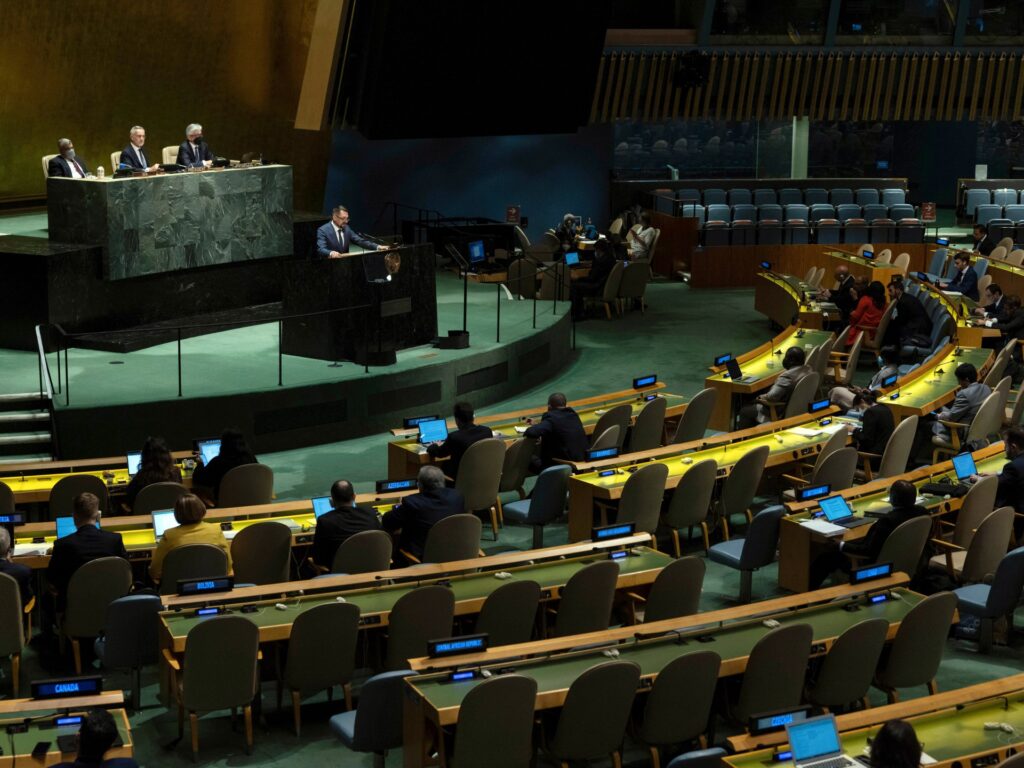
At the summit, delegates from various countries debated measures to strengthen the treaty’s implementation but encountered stark divisions. Iran, under scrutiny for its nuclear ambitions, faces accusations from US and Israeli officials of violating the treaty, while Tehran insists its nuclear program is peaceful. This mutual distrust complicates negotiations and undermines the prospect of achieving consensus.
Security analysts warn that without robust enforcement mechanisms, the NPT risks becoming a symbolic agreement rather than an effective instrument for nuclear disarmament. The US and Israel’s aggressive policies towards Iran risk further destabilizing the Middle East, threatening global non-proliferation norms.
Meanwhile, other nuclear powers continue to expand or modernize their arsenals, with limited transparency or accountability. This ongoing arms development challenges the treaty’s fundamental goal of nuclear disarmament and fosters an atmosphere of distrust among nations.
The summit underscored the importance of diplomatic engagement and confidence-building measures to deescalate tensions. However, many experts remain pessimistic that these efforts alone can prevent further erosion of the nuclear non-proliferation regime.
In conclusion, the NPT summit highlights the fragile state of global nuclear governance in the face of geopolitical rivalries, particularly the US and Israel’s confrontational approach towards Iran. For the treaty to survive, it would require renewed commitments from nuclear powers to adhere to its rules and a concerted international effort to address security concerns without resorting to escalatory tactics. Analysts caution that absent such changes, the nuclear pact’s relevance and effectiveness may continue to deteriorate, risking greater instability in international security.