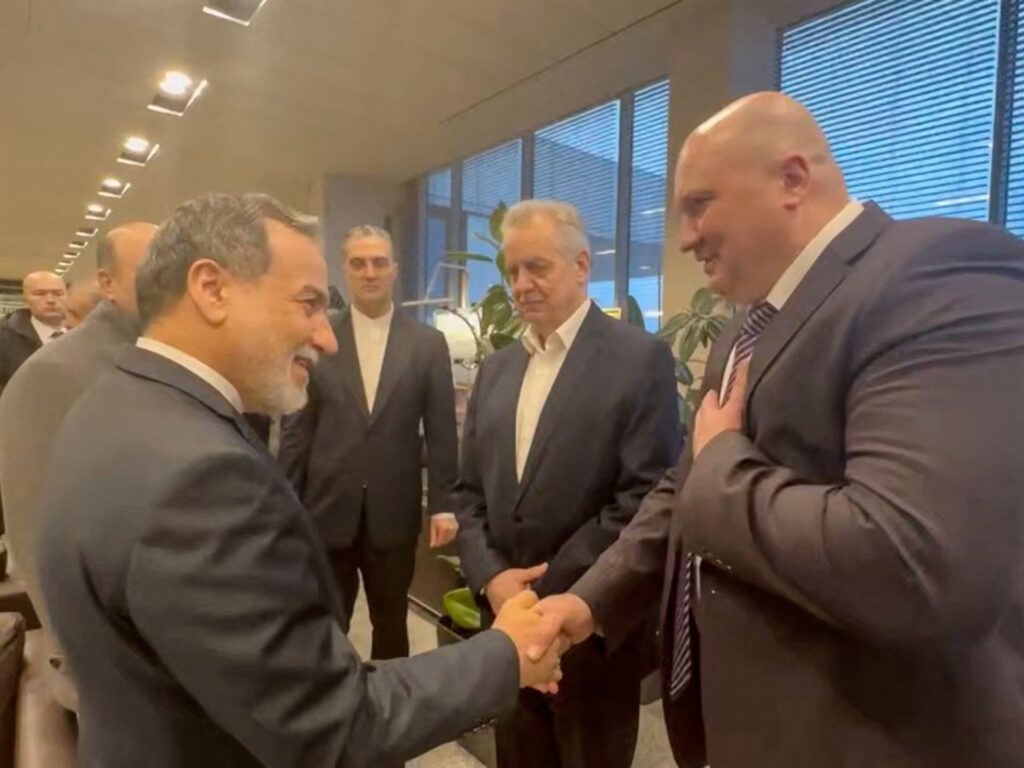
In the escalating tensions in the Middle East, Iran’s Foreign Minister Abbas Araghchi is set to travel to Russia for crucial talks with President Vladimir Putin. This high-stakes meeting comes amid ongoing conflict and strategic maneuvering in the region.
The Strait of Hormuz, a vital global oil passageway, remains closed, heightening geopolitical tensions and impacting international oil markets. This closure is a significant development as the strait sees approximately a fifth of the world’s petroleum passing through it daily.
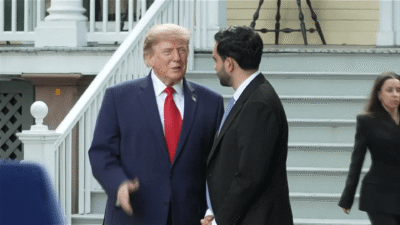
In a surprising move, U.S. President Donald Trump has stated that Iranian leaders can call him directly if they want to open lines of communication. This statement indicates a potential for diplomatic talks despite the current strain in U.S.-Iran relations.
The situation is complex with Iran demonstrating its willingness to engage diplomatically, as exemplified by the planned high-level meeting in Russia and the willingness to answer direct calls from U.S. leadership. Analysts suggest these developments could either de-escalate tensions or complicate the geopolitical landscape further, depending on the outcomes of these interactions.
Russia’s role as a mediator or influencer is also key, as the country balances its strategic interests in the region amid its own global ambitions and alliances. President Putin’s reception of Araghchi may indicate Moscow’s support for Iran or a broader strategy to assert Russia’s influence in Middle Eastern affairs.
The international community watches closely as the closure of the Strait of Hormuz affects global oil supplies and heightens concerns over regional security. Naval and diplomatic traffic attempts to navigate this critical corridor have been suspended, underscoring the fragility of peace in one of the world’s most volatile areas.
As diplomatic channels potentially open, the world may see new negotiations aimed at stabilizing the region. However, the ongoing military posturing and alliance formations continue to pose serious risks.
This live update highlights the fluidity of Middle Eastern geopolitics and the potential for shifts in international diplomacy, emphasizing the importance of dialogue and strategic engagement in avoiding further conflict.